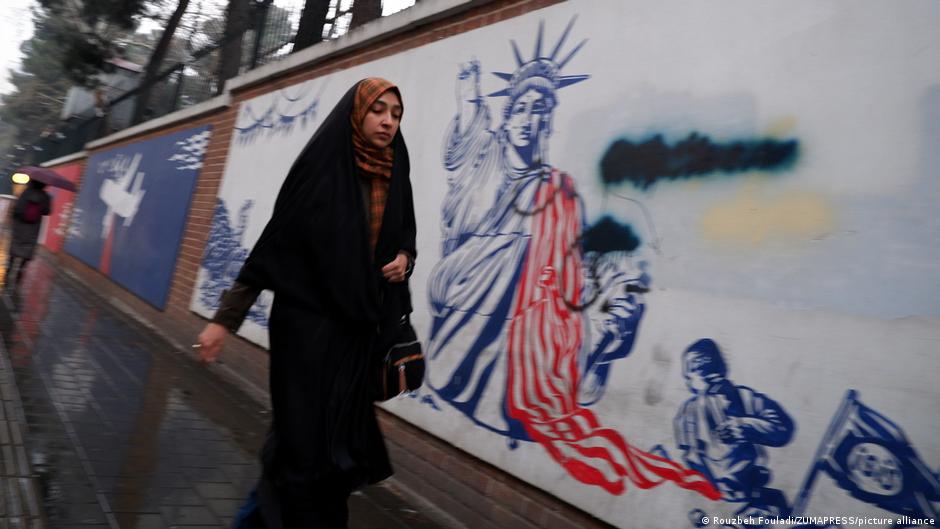
One month after the outbreak of war in Iran, questions are rising about the parties that have gained from this conflict and those that are bearing the burdens. Reports indicate that the conflict has led to significant changes in the geopolitical and economic landscape of the region.
As the intensity of the conflict increases, certain countries and companies emerge as beneficiaries of the current situation, while others suffer from the war's repercussions. Reports have noted a rise in oil prices, reflecting the conflict's impact on the global market.
Details of the Event
The war in Iran erupted amid escalating tensions between the Iranian government and the opposition, as popular protests against the regime intensified. This led to military interventions by some countries, complicating the situation further. As fighting continues, human and economic losses are mounting, raising international concerns.
Reports indicate that some major energy companies have made substantial profits due to rising oil prices, while oil-importing countries are struggling with increased energy costs. Financial markets have also experienced notable fluctuations, reflecting the instability in the region.
Background & Context
Historically, Iran has witnessed numerous political and economic crises, but the current conflict comes at a highly sensitive time. Iranian relations with many countries, including the United States and European nations, have been affected, further complicating the situation. There are also direct impacts on neighboring countries, which may be significantly affected by the war's repercussions.
Iran is considered one of the largest oil producers in the world, and any disruption in its production directly affects the global market. In recent years, oil prices have experienced significant fluctuations, increasing the importance of the Iranian situation for the global economy.
Impact & Consequences
The consequences of the war in Iran extend beyond its geographical borders, affecting the global economy as a whole. Rising oil prices could lead to increased transportation and goods costs, negatively impacting consumers worldwide. Additionally, instability in the region may exacerbate humanitarian crises, necessitating international intervention.
Moreover, the conflict could contribute to heightened tensions among major powers, threatening international security and peace. Some countries may seek to bolster their military capabilities under these circumstances, increasing the likelihood of escalating the conflict.
Regional Significance
The Arab countries neighboring Iran are among the most affected by the conflict. The rise in oil prices may have positive effects on some oil-producing nations, but at the same time, it could increase economic pressures on importing countries. Furthermore, the humanitarian crises resulting from the conflict may lead to new waves of refugees, increasing the burden on host countries.
In light of these circumstances, Arab countries must take proactive steps to address the conflict's repercussions, whether through enhancing regional cooperation or seeking diplomatic solutions aimed at ending the strife.
In conclusion, the situation in Iran remains a focal point for the world, with growing concerns about the war's implications for security and stability in the region. As the conflict continues, the most pressing question remains: who will reap the profits and who will bear the costs?