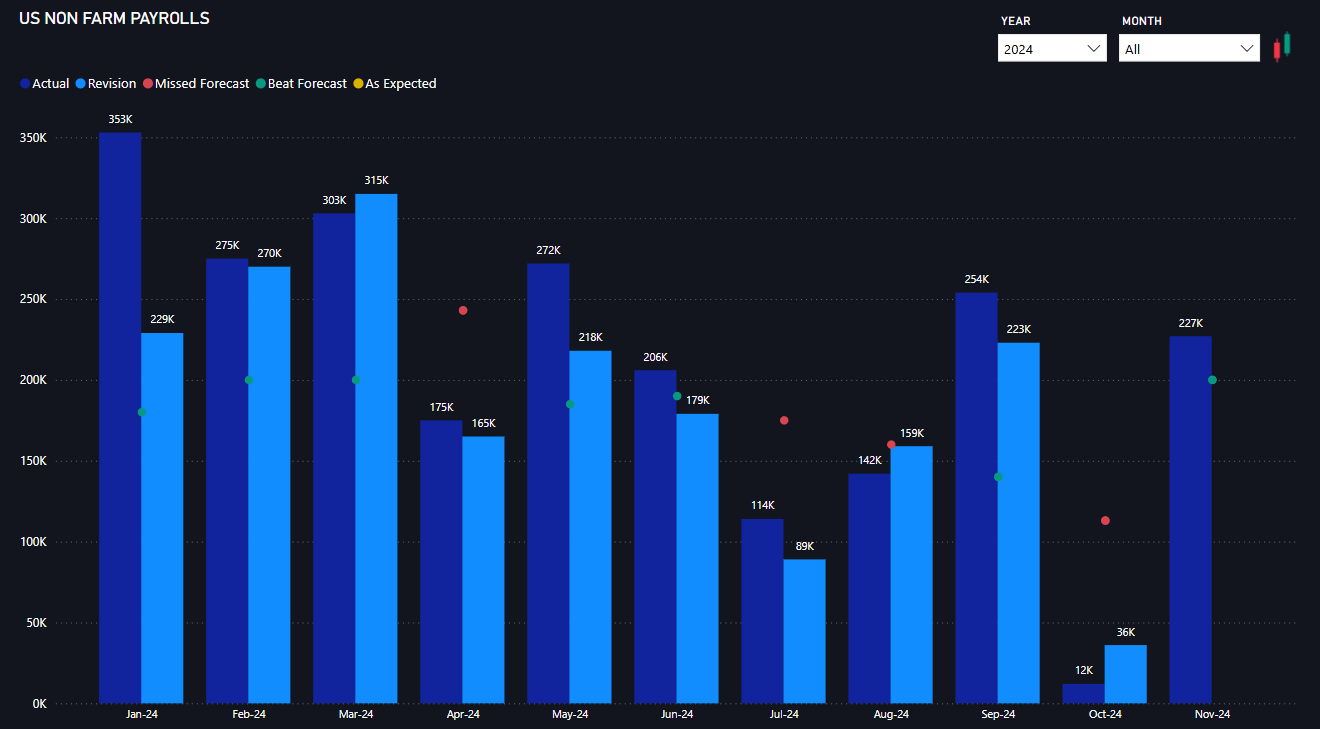
Recent reports reveal significant developments in the world of numbers, reflecting economic and social transformations. This article explores key figures and data impacting the overall landscape.
Numbers serve as a universal language that reflects the realities and trends of societies. Recently, reports have noted a remarkable increase in economic growth rates in some countries, while others face significant economic challenges. These dynamics contribute to shaping economic and social policies.
Event Details
Recent data indicates that many countries have experienced improvements in growth indicators, reflecting an effective response to the economic policies in place. For instance, some nations have recorded an increase in gross domestic product, indicating relative stability in the markets.
Conversely, other countries face substantial challenges, with figures showing rising unemployment rates and declining investments. This data calls for a reassessment of current strategies and the adoption of new policies to tackle crises.
Background & Context
Historically, numbers have played a pivotal role in understanding economic and social changes. Since the global financial crises, reliance on data and statistics has become essential for guiding policies. Furthermore, numbers reflect global trends in areas such as trade and investment.
The rapid changes in the global economy require immediate responses from governments and decision-makers. Therefore, understanding and analyzing numbers is vital for determining future trends.
Impact & Consequences
Numbers directly influence government policies, guiding investments and determining spending priorities. Economic data also affects the decisions of individuals and businesses, contributing to shaping the overall economic landscape.
Moreover, numbers play a role in enhancing transparency and accountability, allowing citizens and investors to track economic performance and make informed decisions based on available data.
Regional Significance
Arab countries face multiple economic challenges, with figures varying from one nation to another. Some countries are experiencing notable economic growth, while others are suffering from severe economic crises. These disparities impact social and political stability in the region.
These conditions require integrated development strategies, as Arab nations must collaborate to address common challenges and promote sustainable growth.
In conclusion, numbers remain a vital tool for understanding economic and social realities. It is essential for countries to continue analyzing data and using it as a means for future planning and achieving sustainable development.