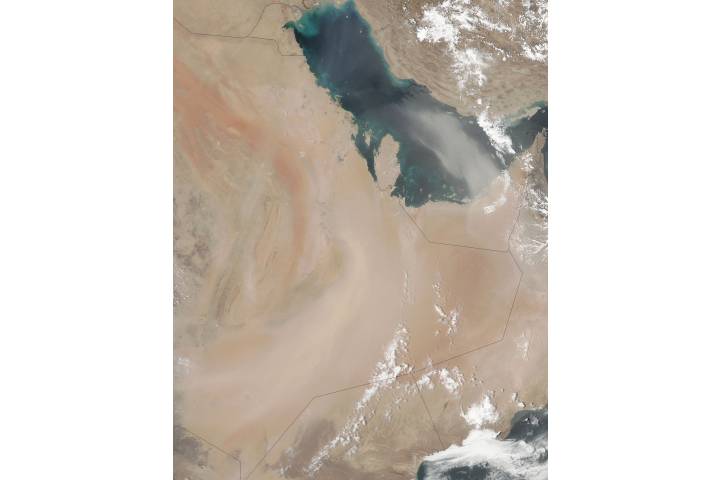
Al-Bawarih winds are distinctive weather phenomena that significantly affect the climate in many regions, especially in the Arabian Peninsula. Dr. Abdullah Al-Masnad, a climate professor at Qassim University, conducted a comprehensive analysis of the characteristics of these winds and their environmental impacts.
Al-Bawarih winds are characterized as dry and hot northwesterly winds that blow during the summer. These winds are one of the main factors that lead to the stirring up of dust and sandstorms, negatively affecting air quality and visibility in many areas.
Details of the Phenomenon
Al-Bawarih winds typically blow from desert areas towards coastal regions, contributing to rising temperatures and increased humidity in the air. Dr. Al-Masnad noted that these winds strengthen at certain times of the year, amplifying their impact on the daily lives of residents.
He added that Al-Bawarih winds lead to noticeable changes in temperature, where temperatures in some areas can reach extremely high levels, posing significant challenges for residents and agriculture.
Background & Context
Historically, Al-Bawarih winds have been considered part of the desert climate that characterizes the Arabian Peninsula. These winds have influenced lifestyle and agricultural patterns in the region for centuries. With global climate changes, it has become essential to better understand the effects of these winds.
In recent years, reports have increased regarding the impacts of Al-Bawarih winds on public health, as they have been linked to rising cases of asthma and allergies due to the dust they carry. This necessitates taking preventive measures to protect the population.
Impact & Consequences
The impacts of Al-Bawarih winds extend beyond environmental aspects to include economic and social dimensions. With the increase in sandstorms, transportation and tourism are affected, leading to significant economic losses. Additionally, these winds impact agriculture, as they can destroy crops and lead to food shortages.
Governments and local communities must adopt strategies to adapt to this phenomenon, such as improving early warning systems and developing new agricultural techniques that are suitable for changing climatic conditions.
Regional Significance
Al-Bawarih winds are part of the climatic challenges faced by Arab countries. With the increasing phenomenon of climate change, it is expected that the strength and frequency of these winds will rise, necessitating an effective response from governments and communities.
Understanding the characteristics of Al-Bawarih winds and their effects helps enhance environmental awareness and develop strategies to adapt to climate changes, contributing to improving the quality of life in the region.
In conclusion, Al-Bawarih winds are not just a natural phenomenon; they represent a challenge that requires a comprehensive response from all stakeholders. By deeply understanding this phenomenon, we can take effective steps to protect the environment and the health of the population.