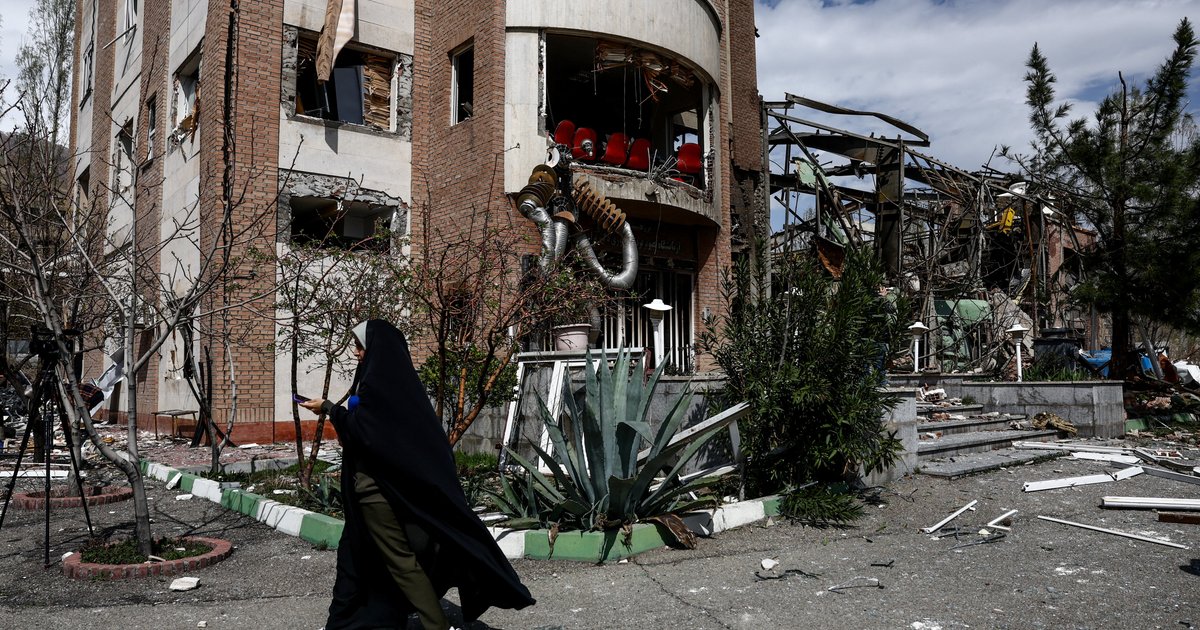
As tensions rise in the Gulf region with hundreds of American soldiers nearing the Iranian border, some anticipate possible military operations against Iran. However, military assessments indicate that Iran's vast and complex geography could render any ground operation extremely costly for the United States, with unpredictable outcomes.
Arman Mahmoudian, a researcher at the Global and National Security Institute at Southern Florida University, notes that history shows ground attacks are often hard to control, complicating the situation further should any assault commence.
Potential Scenarios in a Ground War
Experts outline several potential scenarios should a ground war against Iran erupt, identifying three main options: occupying Iranian islands in the Gulf and the Strait of Hormuz, attacking Iran's southern coastline, or invading through the Kurdish-populated areas in western Iran. Each of these options carries significant risks and challenges.
Iran's geography, characterized by two mountain ranges, deserts, and two coastlines, plays a crucial role in any military strategy. The rugged terrain and towering mountains hinder the movement of invading forces, increasing the likelihood of substantial casualties.
Background & Context
Historically, Iran has experienced numerous military attacks, from the Mongol invasion to modern wars. These events have demonstrated how geography critically influences the outcomes of conflicts. Additionally, Iran has a long history of resistance against invasions, making it more prepared to confront new threats.
The Gulf region is one of the most tense areas globally, where regional and international interests intersect. Therefore, any military escalation could have dire consequences for both regional and international security.
Impact & Consequences
If a ground war were to break out, it could lead to a significant escalation of the conflict, adversely affecting stability in the region. Oil prices and global markets could be severely impacted, resulting in widespread economic repercussions.
Moreover, any military intervention could heighten tensions among major powers, threatening international peace and security. It is crucial for U.S. decision-makers to understand these consequences before taking any military actions.
Regional Significance
Events in Iran pose a significant concern for neighboring Arab countries, as any military escalation could have direct implications for regional security. Arab nations, especially those bordering Iran, may find themselves at the heart of the conflict, complicating the security situation in the region.
In conclusion, the international community must work to avoid any military escalation and focus on diplomatic solutions to prevent potential crises. Understanding Iranian geography and its role in military conflicts can aid in making wiser decisions in the future.