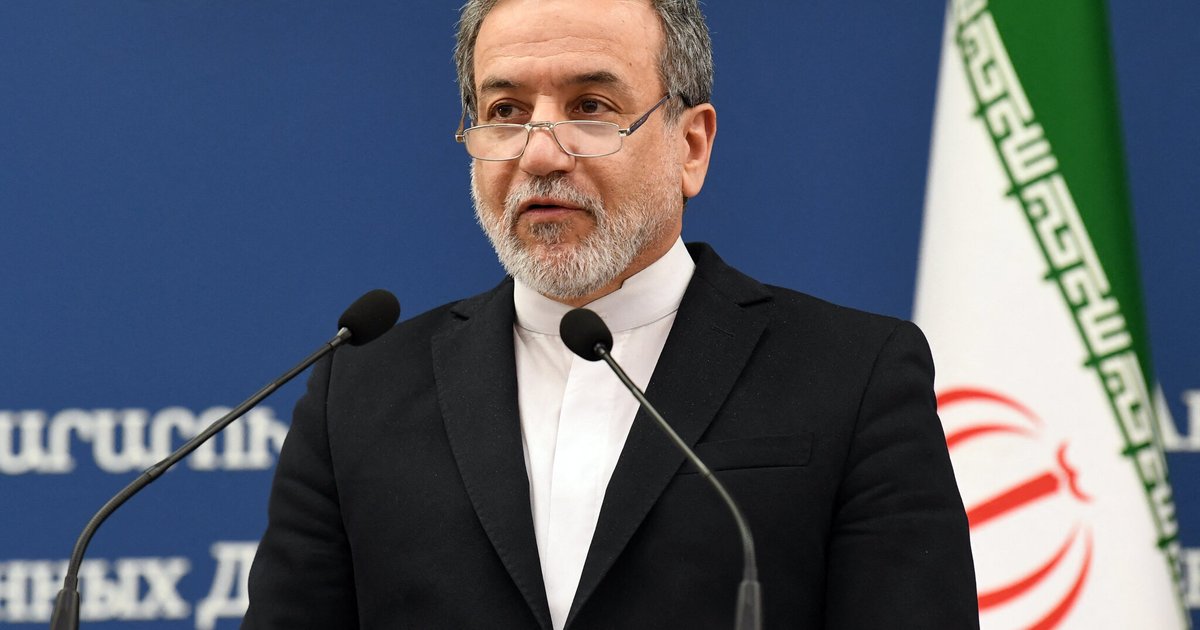
The former Assistant Secretary of State reported that the contradictory statements made by former President Donald Trump regarding Iran reflect a clear strategy aimed at conducting a psychological war against the Iranian side. These statements, which range from threats to promises, raise questions about the intentions of the previous U.S. administration and their impact on international relations in the region.
Amid ongoing tensions between the United States and Iran, Trump's statements exacerbate the already tense atmosphere. The former Assistant Secretary of State pointed out that these remarks are not just words; they carry strategic messages intended to confuse the Iranian side and demonstrate American power.
Details of the Statements
Trump's recent statements include a series of contradictory positions, where he sometimes speaks about the possibility of dialogue with Iran, while at other times he threatens to impose new sanctions. These sudden shifts in political rhetoric reflect instability in U.S. foreign policy towards Iran, complicating the situation in the region.
The former Assistant Secretary of State also noted that these statements could lead to varied reactions from Iran, which may feel threatened and thus take escalatory steps, increasing the risk of military escalation in the region.
Background & Context
Historically, U.S.-Iranian relations have experienced significant fluctuations, beginning with the tensions following the Islamic Revolution in Iran in 1979. Since then, there have been multiple attempts at negotiation, but they often end in failure. Trump's conflicting statements come at a sensitive time, as Iran seeks to bolster its regional influence amid economic and political challenges.
The Iranian nuclear agreement reached in 2015, from which the United States withdrew in 2018, remains a major point of contention between the two countries. This historical background underscores the importance of current statements and their impact on the future of bilateral relations.
Impact & Consequences
Trump's conflicting statements could exacerbate conditions in the Middle East, potentially encouraging an escalation of tensions between Iran and regional countries. These remarks may also affect U.S. allies in the region, who might feel concerned about the instability of American policy.
Moreover, these statements could strengthen hardline positions within Iran, making it difficult for the Iranian government to take steps towards dialogue or negotiation with the United States. This situation may contribute to the ongoing uncertainty in the region.
Regional Significance
U.S. statements regarding Iran have a significant impact on Arab countries, especially those sharing borders with Iran or suffering from Iranian interventions in their internal affairs. Gulf states, for instance, closely monitor developments in U.S.-Iranian relations, as they are concerned about any escalation that could affect their security and stability.
Additionally, these statements may influence regional alliances, with some countries seeking to strengthen their relations with the United States in the face of Iranian threats, while others may look for ways to communicate with Iran to ease tensions.
In conclusion, Trump's conflicting statements about Iran remain a vital topic that requires careful monitoring, as their impact extends to various aspects of international and regional politics.