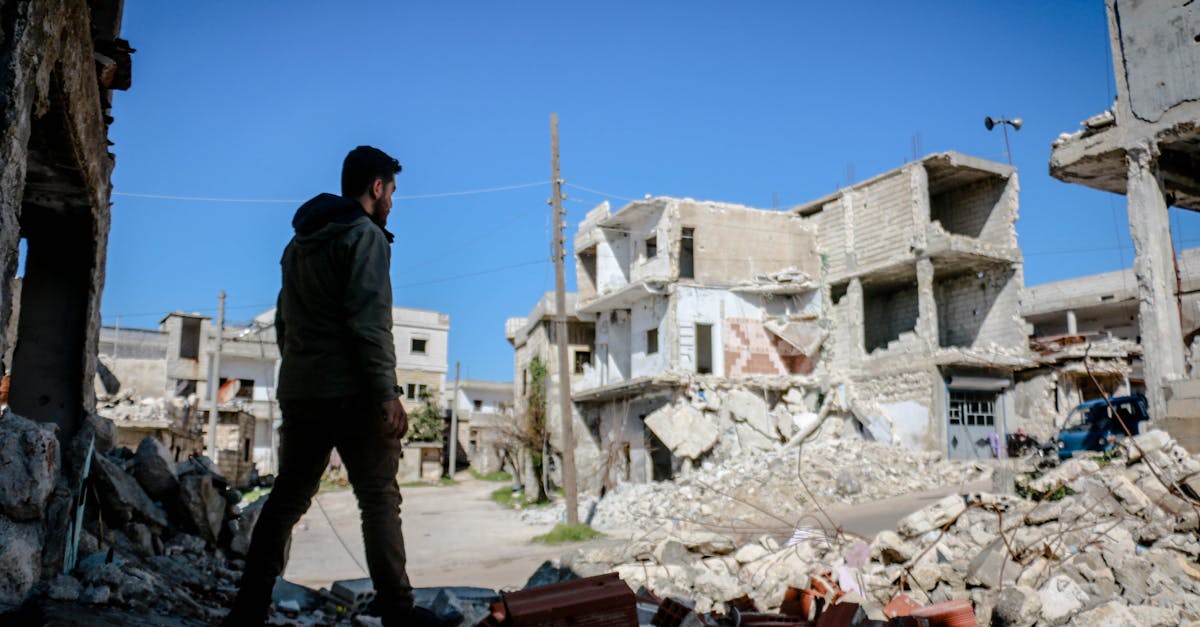
The Israeli Chief of Staff, General Herzl Halevi, has shared his predictions for 2026, indicating that it is likely to be a year filled with fighting on all fronts. These remarks come at a time when tensions in the region are escalating, raising concerns about the future of security and stability in the Middle East.
Halevi explained that the security challenges facing Israel require increased military preparedness, noting that the Israeli army is working to enhance its capabilities to confront any potential threats. He also emphasized the importance of cooperation with international allies to address shared challenges.
Details of the Statement
Halevi's comments are part of a series of warnings issued by Israeli officials recently, as the Israeli army faces multiple threats from various fronts, including the borders with Lebanon and Gaza. Halevi pointed out that escalation in these areas could lead to large-scale military conflicts.
He also addressed the increasing tensions with Iran, considering that Iranian military activities in the region pose a direct threat to Israel's security. He confirmed that the Israeli army will continue to carry out preemptive operations to prevent any potential threats.
Background & Context
Historically, the region has witnessed numerous military conflicts that have significantly impacted regional security. Since the establishment of the State of Israel, there have been several wars and conflicts with Arab states, in addition to the ongoing dispute with the Palestinians. This historical backdrop reflects the complexities of the current situation and intensifies the tensions.
In recent years, the region has seen a rise in military activities, both from Israel and armed groups in Lebanon and Gaza. These dynamics increase the likelihood of new conflicts erupting, placing the region in a state of ongoing instability.
Impact & Consequences
Halevi's predictions for 2026 could significantly influence security and military policies in the region. If this scenario materializes, neighboring countries may need to take precautionary measures to enhance their security. This could also lead to heightened tensions between Arab states and Israel, hindering peace efforts in the area.
Furthermore, these predictions may affect international relations, as major powers might seek to intervene or mediate in potential conflicts. This situation could alter the balance of power in the region and complicate the political landscape.
Regional Significance
Halevi's statements serve as a wake-up call for Arab countries, indicating that the security situation may deteriorate further. This could impact stability in neighboring nations and exacerbate the economic and social challenges they face.
In light of these circumstances, Arab countries must enhance their security cooperation and develop effective strategies to address shared threats. Continuous diplomatic efforts are also necessary to alleviate tensions and achieve peace in the region.