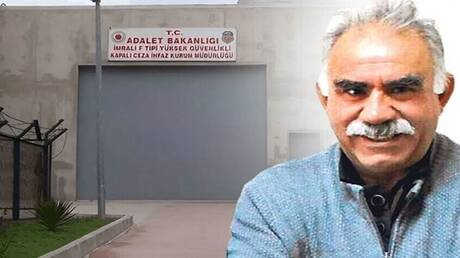
Imprisoned Kurdish leader Abdullah Öcalan, founder of the PKK (Kurdistan Workers' Party), has renewed his call for strengthening the peace process in Turkey, indicating that the era of armed conflict has ended. These statements come at a sensitive time for the country, as both local and international communities strive to find peaceful solutions to ongoing disputes.
Öcalan, who has been incarcerated since 1999, emphasized in his latest message, published through his lawyer, that dialogue and negotiation are the only means to achieve stability and peace in the region. He urged all parties involved to engage in the peace process, stressing the importance of mutual understanding and cooperation.
Details of the Event
In his message, Öcalan pointed out that armed conflict has no place in the current era, and that peaceful solutions should be the focus. He expressed hope that this call would contribute to reviving negotiations that have stalled for years, potentially opening new avenues for peace in Turkey.
Öcalan's statements come amid increasing tensions between the Turkish government and the PKK, which Ankara considers a terrorist organization. However, there are growing calls from some politicians and thinkers in Turkey to renew dialogue with the Kurds, reflecting a shift in public sentiment regarding Kurdish issues.
Background & Context
Historically, Turkey has experienced long-standing conflicts with the PKK, which seeks rights for Kurds in the country. Since the onset of the conflict in the 1980s, the strife has resulted in the deaths of tens of thousands of people, leaving a profound impact on Turkish society.
In recent years, the Turkish government has attempted to take steps toward peace, including holding talks with Öcalan in 2013. However, these talks ceased in 2015, leading to a resurgence of violence. Therefore, Öcalan's recent call is considered a significant step in efforts to revive the peace process.
Impact & Consequences
If the Turkish government responds to Öcalan's call, it could lead to a de-escalation of tensions in the country and open the door for further dialogue. The resumption of negotiations could also contribute to improving relations between the Kurds and the Turkish state, potentially enhancing stability in the region.
However, the question remains regarding the Turkish government's willingness to engage in new talks, especially amid internal and external political pressures. The success of this initiative depends on the political will of all parties involved.
Regional Significance
The Kurdish issue is a sensitive topic in the Middle East, affecting many neighboring countries, including Iraq and Syria. Any progress toward peace in Turkey could have a positive impact on Kurds in these countries, contributing to the enhancement of their rights and improving their conditions.
Moreover, the success of the peace process in Turkey could serve as a model for other countries experiencing internal conflicts, thereby increasing the chances for peace and stability in the region as a whole.
Öcalan's call for peace represents a new opportunity to renew dialogue and achieve stability in Turkey. There is hope that the involved parties will respond to this call, potentially leading to an end to decades of conflict and violence.