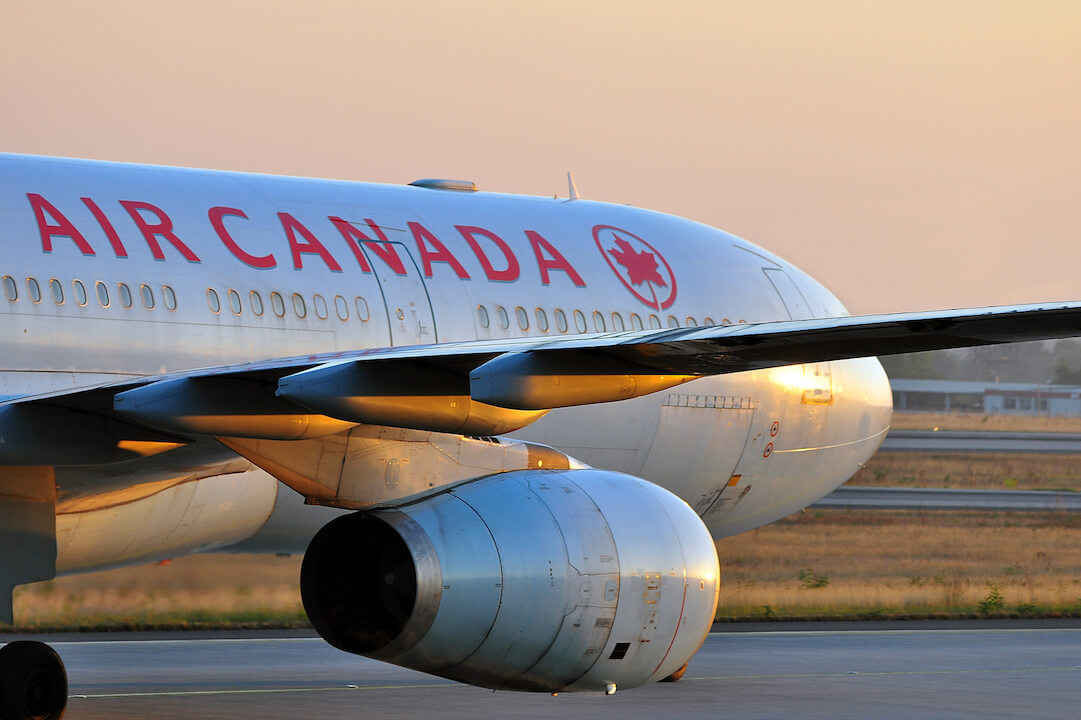
The President of Air Canada, Michel Rouleau, has apologized for his lack of proficiency in French following a plane crash involving the airline in Canada that resulted in the deaths of two individuals. The incident, which occurred in a remote area of Quebec, has ignited widespread debate about the importance of the French language in the country, especially given the large number of French speakers in that region.
The crash took place last Saturday when the plane went down while attempting to land at a local airport. Although the incident is under investigation, swift reactions from the media and the public have highlighted the necessity for effective communication in French in Canada, where French is considered one of the country’s two official languages.
Details of the Incident
In his statements, Rouleau expressed deep regret for his inability to speak French, which he viewed as a barrier in communicating with some of the victims and their families. He also indicated that the airline would work on improving language skills among its employees, particularly those who interact with customers in French-speaking areas.
These remarks come at a sensitive time, as calls are increasing in Canada to promote the use of French across various sectors, including business and public services. Many activists in the field of French culture and language have expressed their dissatisfaction with Rouleau's inability to communicate in French, considering it evidence of neglect towards French culture in Canada.
Background & Context
Canada is a bilingual country, with both English and French being used officially. However, the province of Quebec, which is the center of French culture in Canada, faces ongoing challenges in preserving the French language and culture in the face of globalization. Historically, there have been tensions between French and English speakers, leading to repeated calls to enhance the rights of the French language.
Similar incidents have sparked discussions about the importance of bilingual education in Canada, where proficiency in both languages is deemed essential in many fields, including business, education, and public services. In recent years, there has been an increase in educational programs aimed at promoting the French language in schools.
Impact & Consequences
Rouleau's statements could increase pressure on Air Canada to enhance the level of services provided in French. This may also affect the company's reputation in French-speaking regions, where proficiency in French is considered a fundamental part of the customer experience.
Furthermore, this incident may contribute to enhancing discussions about the importance of the French language and culture in Canada, potentially leading to changes in government policies related to education and public services. Canada is likely to see more initiatives aimed at promoting the use of French across various fields.
Regional Significance
While this event may seem distant from the Arab region, there are lessons to be learned. Just as in Canada, many Arab countries face challenges related to preserving local languages and cultures in the face of globalization. This incident can serve as an example of the importance of reinforcing cultural and linguistic identity in multicultural communities.
In conclusion, the apology from the President of Air Canada for his lack of proficiency in French underscores the significance of effective communication in multilingual work environments. It also highlights the necessity of promoting bilingual education in Canada, a lesson that can be applied in many Arab countries striving to maintain their languages and cultures in a changing world.