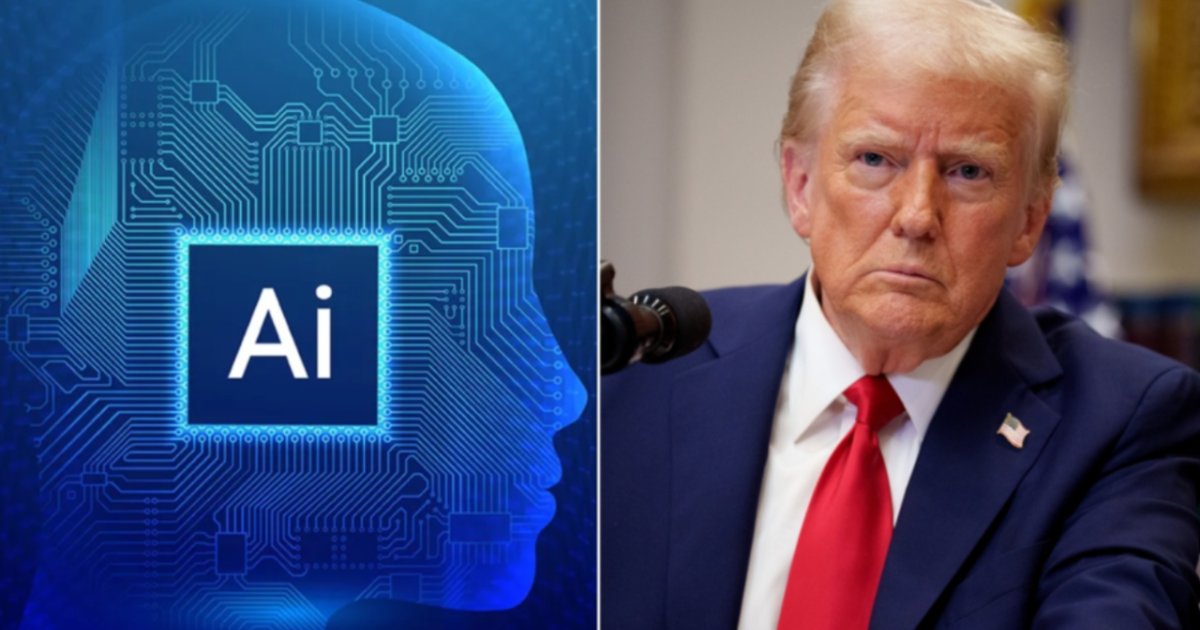
The U.S. Appeals Court has rejected a lawsuit filed by Anthropic, a company aiming to challenge the Trump administration's decisions related to artificial intelligence. This ruling reflects the legal challenges faced by tech startups amid changing government policies.
Founded in 2020, Anthropic focuses on developing artificial intelligence technologies with the goal of enhancing AI safety. However, the company has encountered significant legal hurdles from the outset as it seeks to contest certain policies it deems unsuitable for technological advancement.
Details of the Case
The case primarily revolves around decisions made by the Trump administration regarding the regulation of artificial intelligence, which Anthropic argues stifles innovation. In its ruling, the court affirmed that existing laws grant the government the right to regulate this technology, thereby weakening the company's position.
This case is part of a broader struggle between tech companies and the U.S. government over how to regulate artificial intelligence. In recent years, concerns have escalated regarding the potential impact of this technology on society, prompting governments to consider implementing stringent regulatory frameworks.
Background & Context
Historically, the United States has witnessed significant advancements in artificial intelligence, with American companies leading in this field. However, legal and political challenges may hinder this progress. In recent years, calls from some lawmakers for stricter regulation of AI technology have complicated the situation for startups.
Anthropic is one of many companies striving to balance innovation with compliance to laws. As investments in this sector increase, legal issues like this could substantially affect the future of startups.
Impact & Consequences
This decision could have significant implications for the future of startups in the artificial intelligence sector. If the government continues to impose strict regulations, it may lead to reduced innovation and lower investments in this field. Conversely, a lack of appropriate regulation could pose greater risks to society.
This case underscores the importance of ongoing dialogue between companies and the government to ensure that policies are balanced and support innovation without jeopardizing public safety. Failure to achieve this balance could have dire consequences for the future of technology in the United States.
Regional Significance
With increasing interest in artificial intelligence in the Arab region, this case could serve as an important lesson. As many Arab countries strive to develop new technologies, understanding how to regulate this technology will be crucial. Arab governments should learn from international experiences to ensure that their policies support innovation.
In conclusion, this case exemplifies the challenges faced by startups in a rapidly changing world. Understanding how to balance innovation and regulation will be vital for the future of artificial intelligence globally.