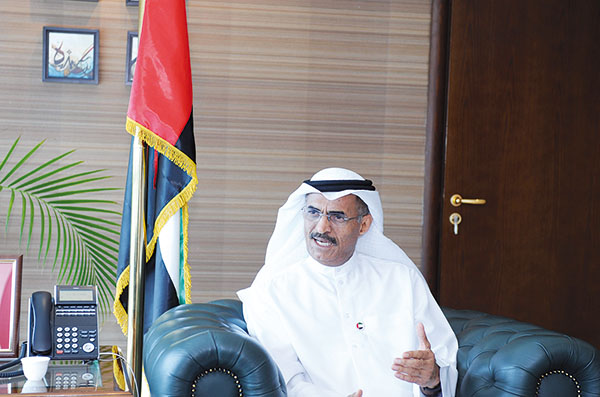
Sheikh Mohammed bin Rashid Al Maktoum, Vice President of the UAE and Prime Minister, has issued a decree appointing Abdullah bin Dumithan as the head of the Ports and Customs Authority and the Free Zone. This decision is part of efforts to enhance administrative efficiency and develop logistics services in the country.
The Ports and Customs Authority is a vital institution in the UAE, playing a pivotal role in enhancing trade and maritime and air transport, which contributes to supporting the national economy. Abdullah bin Dumithan's appointment reflects confidence in his leadership and administrative capabilities, as he possesses extensive experience in this field.
Details of the Appointment
Abdullah bin Dumithan, who has recently been appointed, has an impressive track record of achievements in both the public and private sectors. He has held several leadership positions in various institutions, making him well-qualified to take on this responsibility. He is expected to contribute to developing new strategies that enhance the UAE's position as a global trade and transport hub.
This move comes at a time when the UAE is witnessing significant growth in the trade sector, as the government seeks to enhance infrastructure and improve logistics services to meet the increasing market demands.
Background & Context
The Ports and Customs Authority was established in the UAE with the goal of enhancing trade and facilitating the movement of goods. The authority has seen significant development since its inception, becoming a key player in the national economy. Through the appointment of Abdullah bin Dumithan, the government aims to continue this trend and enhance the country's competitiveness at both regional and international levels.
The UAE is considered one of the leading countries in global trade, with its ports ranking high in shipping and transport classifications. This appointment is part of the government's vision to strengthen this position and expand the range of services offered.
Impact & Consequences
Abdullah bin Dumithan's appointment is expected to have a positive impact on the overall performance of the authority, as it will contribute to improving operational efficiency and developing the services provided. This appointment also reflects the government's commitment to enhancing national competencies in leadership positions.
This decision is a strategic step aimed at promoting transparency and efficiency in managing ports and customs, which contributes to improving the business environment in the country and attracting more foreign investments.
Regional Significance
Abdullah bin Dumithan's appointment serves as a role model in the Arab region, where many countries seek to enhance their administrative competencies by appointing young and qualified leaders. This trend reflects the importance of developing the logistics sector in boosting economic growth.
The UAE's success in this field may encourage other countries in the region to adopt similar strategies, contributing to overall economic performance improvement.
In conclusion, Abdullah bin Dumithan's appointment to this position is an important step towards enhancing efficiency in managing ports and customs, supporting the national economy, and strengthening the UAE's position as a global trade hub.