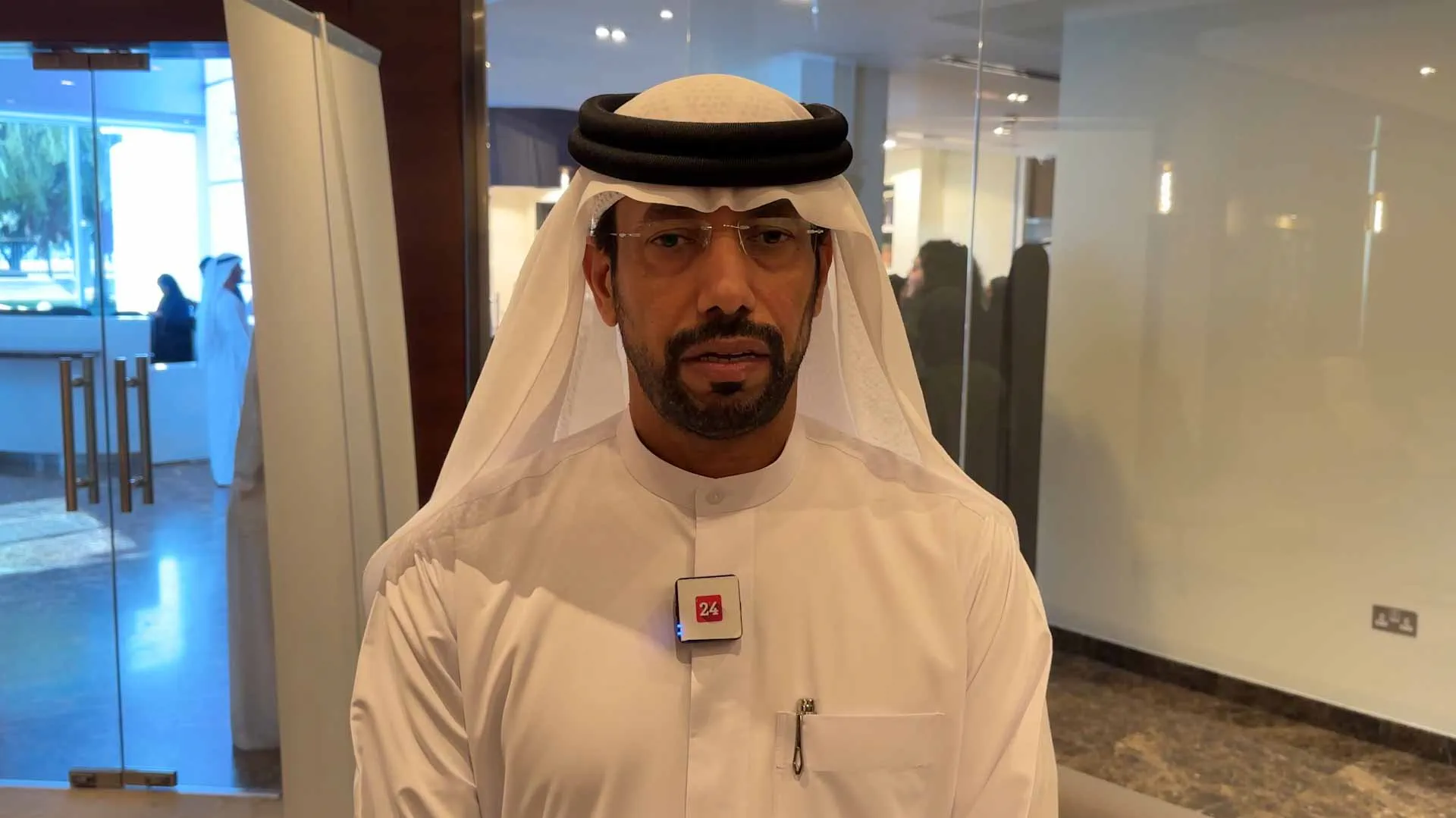
Abdullah bin Salem Al Qasimi has issued a decision promoting Salem Ali Al-Ghaithi to the position of Director of the Sharjah Broadcasting Authority. This step is part of the emirate's efforts to enhance media performance and develop the content provided to the audience, reflecting the leadership's commitment to strengthening the media sector in Sharjah.
Salem Ali Al-Ghaithi, who possesses extensive experience in the media field, has held several positions within the authority, making him fully qualified for this leadership role. Al-Ghaithi is known for his effective contributions to developing programs and initiatives that enhance the role of media in society.
Details of the Appointment
Al-Ghaithi's promotion comes at a time when the Sharjah Broadcasting Authority is undergoing significant transformations aimed at keeping pace with technological advancements in the media sector. The authority seeks to provide diverse media content that meets the needs of the audience and reflects Sharjah's rich culture.
The decision also reflects the leadership's vision to support local talents and empower them to lead media institutions, contributing to enhancing the media identity of the emirate on both regional and international levels.
Background & Context
The Sharjah Broadcasting Authority was established in 1990 and has since played an important role in providing diverse media content that reflects the culture and traditions of Sharjah. The authority has witnessed notable development in recent years, updating its strategies to meet the growing needs of the audience.
Sharjah is considered a cultural and media hub in the United Arab Emirates, hosting numerous cultural and artistic events. Al-Ghaithi's appointment to this position is part of ongoing efforts to enhance Sharjah's status as a leading media destination.
Impact & Consequences
Salem Ali Al-Ghaithi's appointment is expected to enhance the quality of media programs offered, thereby increasing the authority's ability to compete in the media market. This decision may also open new avenues for collaboration with other media institutions, contributing to the exchange of experiences and the enhancement of media content.
Al-Ghaithi's appointment may also encourage the development of new programs targeting different audience segments, thereby enhancing the role of media in promoting cultural and social awareness within the community.
Regional Significance
Sharjah is one of the prominent media cities in the region, and Al-Ghaithi's appointment reflects the general trend towards enhancing local competencies in media fields. This trend may encourage other countries in the region to invest in developing local media talents, contributing to strengthening the cultural and media identity of each country.
Furthermore, enhancing media performance in Sharjah may contribute to increasing competitiveness among media institutions in the region, benefiting the audience by providing more diverse and professional media content.
In conclusion, Salem Ali Al-Ghaithi's appointment as Director of the Sharjah Broadcasting Authority represents an important step towards enhancing media performance in the emirate and reflects the leadership's commitment to developing the media sector and supporting local talents.