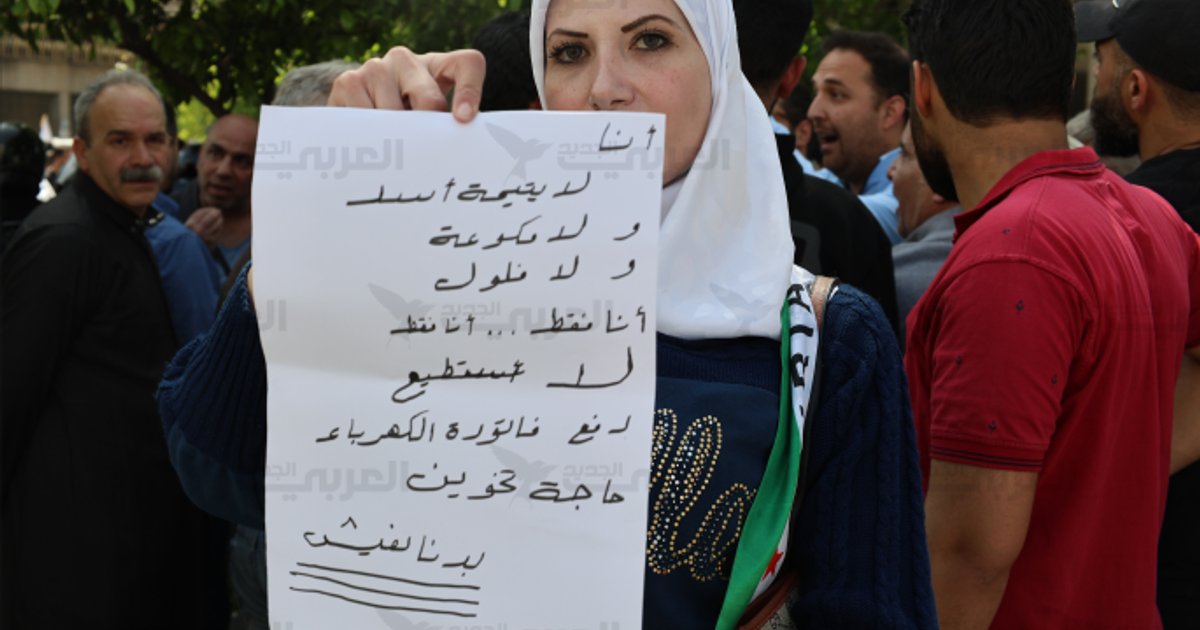
On April 17, a massive protest occurred in the Syrian capital, Damascus, where a number of citizens and intellectuals gathered to express their political and social demands. This protest acts as a political warning to the authorities, reflecting the increasing dissatisfaction with government policies that have not met the aspirations of the Syrian people.
The demands raised during the protest included calls for political and economic reforms, as well as appeals for improving living conditions. These demands have been echoed in many previous protests, indicating a continued state of public anger towards the authorities.
Details of the Event
Participants gathered at Al-Muhajirin Square in Damascus, where they raised slogans expressing their demands. The protest saw the attendance of several political and cultural figures who showed their support for the popular demands. Statements were distributed outlining specific demands, such as ending corruption and achieving social justice.
This protest comes at a sensitive time for the country, as economic and social pressures on citizens are increasing. Reports have shown that the poverty rate in Syria has risen significantly, intensifying the public protests.
Background & Context
Since the outbreak of the conflict in Syria in 2011, the country has experienced a series of political and economic crises. Despite government attempts to improve conditions, many Syrians still feel frustrated by the lack of tangible progress. The successive crises have led to a deterioration of trust between citizens and the authorities.
Historically, protests have been a means of expressing opinion in Syria, and the country has witnessed many such events in recent years. However, the security crackdown and arrests that often follow these events have frequently led to a decline in popular activism.
Impact & Consequences
This protest could have significant implications for the political landscape in Syria. It may increase pressure on the government to respond to the people's demands or could lead to an escalation of security repression against protesters. In either case, the situation remains tense, exacerbating the crises in the country.
Furthermore, this protest may open the door for more dialogues and discussions regarding the necessary reforms. It could stimulate further popular activities in the future, reflecting citizens' desire for change.
Regional Significance
Events like the April 17 protest in Damascus hold great importance for the Arab region as a whole. They reflect a state of political and social instability that many Arab countries are suffering from. Additionally, they highlight the importance of responding to the demands of the people amid increasing crises.
In a related context, these events may affect relations between Arab countries, as some nations might intervene to support either the government or the opposition, complicating the situation in the region.
In conclusion, the April 17 protest remains a landmark in the history of Syrian protests, reflecting the ongoing popular demands for change and reform. It indicates that political and economic crises continue to significantly impact citizens' lives, necessitating an urgent response from the authorities.