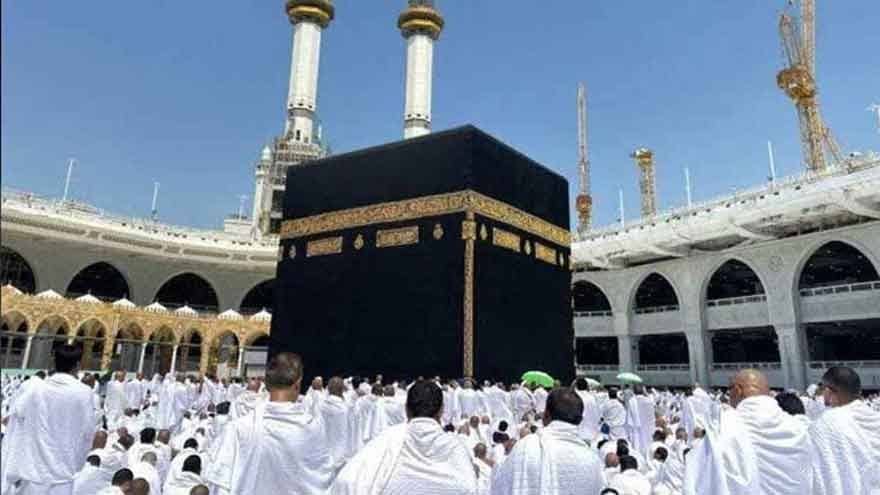
The Kingdom of Saudi Arabia has outlined the steps to obtain a Hajj permit for 2026, emphasizing that "no Hajj without a permit" for non-Saudis. This decision is part of the Kingdom's efforts to organize the pilgrimage and ensure the safety of pilgrims, especially following the challenges faced globally in recent years.
Through this initiative, the Kingdom aims to enhance the Hajj experience and streamline procedures for pilgrims. Obtaining the permit requires following specific steps, including registration through designated electronic platforms and submitting the necessary documents.
Event Details
As part of the preparations for the 2026 Hajj season, the Saudi Ministry of Hajj and Umrah has established a series of steps that those wishing to perform Hajj must follow. Pilgrims coming from outside the Kingdom are required to register via the designated electronic platform, where they will enter personal information and submit necessary documents such as passports and vaccination certificates.
Once registration is completed, applications will be reviewed by the relevant authorities, and the necessary permits will be issued. Pilgrims are advised to register early to ensure they receive their permits in a timely manner, especially with the increasing number of individuals wishing to perform Hajj.
Background & Context
Historically, the Hajj pilgrimage has faced numerous challenges, ranging from epidemics to political crises. In recent years, the COVID-19 pandemic significantly reduced the number of pilgrims, prompting the Kingdom to implement strict measures to organize Hajj. As life returns to normal, the Kingdom seeks to restore large numbers of pilgrims while ensuring their safety.
The Hajj is one of the most important religious rituals for Muslims, combining spirituality with organization. Therefore, the new measures aim to enhance the experience of pilgrims and ensure their safety during the rituals.
Impact & Consequences
The Kingdom anticipates that this measure will improve the organization of Hajj and increase the number of pilgrims safely. Additionally, issuing permits will enhance the authorities' ability to monitor pilgrims and ensure that necessary services are provided to them.
Moreover, this step could positively impact the local economy, as many sectors depend on the influx of pilgrims, including tourism, hospitality services, and restaurants.
Regional Significance
Saudi Arabia is a significant religious center in the Islamic world, and thus any changes in Hajj organization affect Arab and Islamic countries. Neighboring countries will be directly impacted, as many of their citizens seek to perform Hajj annually.
This step may also open the door for greater cooperation among Islamic countries in organizing Hajj and sharing experiences, strengthening ties between Islamic peoples.
In conclusion, the Hajj permit for 2026 represents an important step towards better organization of the pilgrimage and reflects the Kingdom's commitment to providing a safe and comfortable experience for pilgrims from around the world.