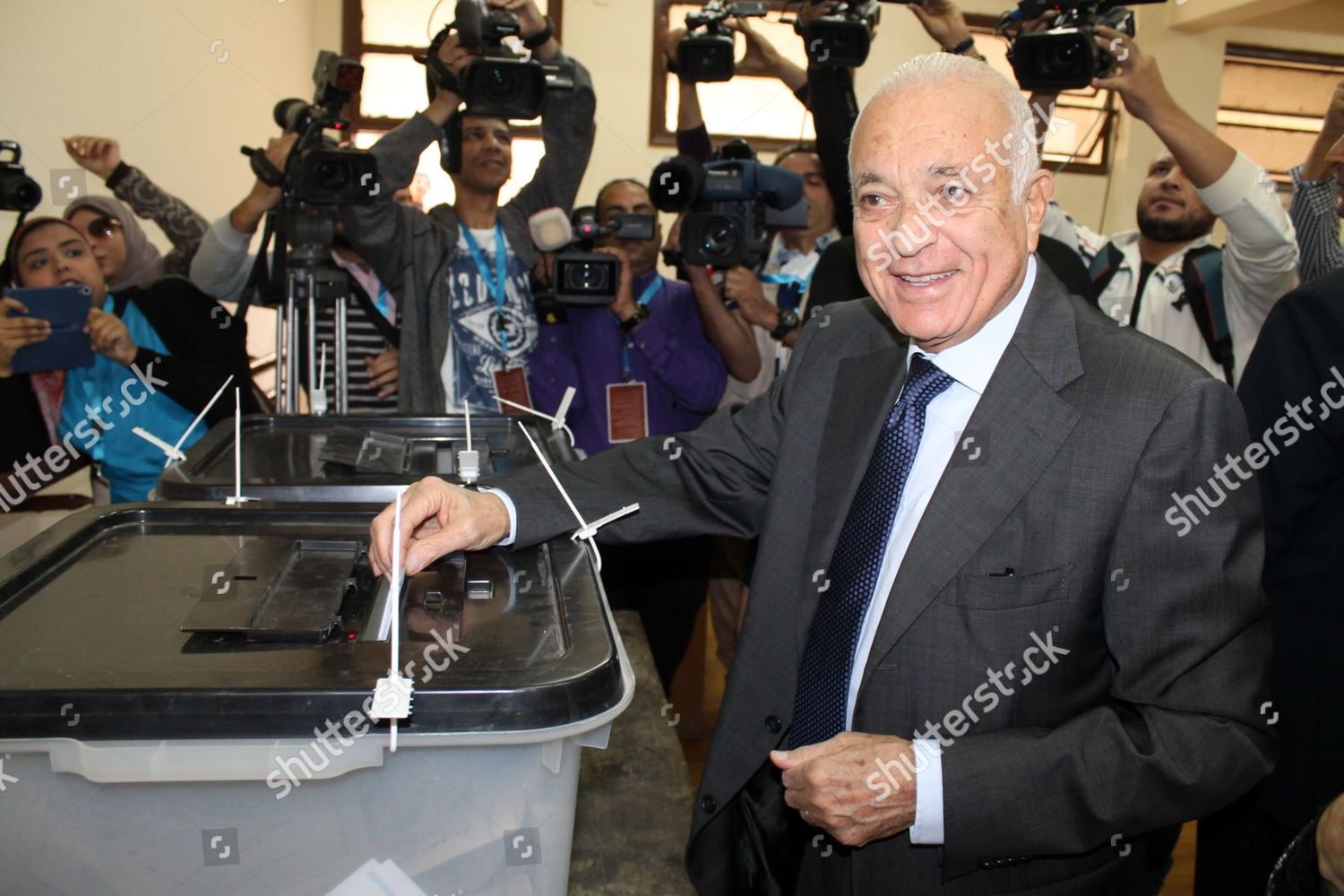
Arab nations have reached a consensus to appoint Nabil Fahmy as the new Secretary-General of the Arab League starting July 2026. This decision aims to enhance joint Arab action and improve the League's performance.
Nabil Fahmy, who previously served as Egypt's Foreign Minister, possesses extensive experience in diplomatic affairs and international relations. He has garnered significant support from member states, reflecting the Arab nations' desire to strengthen cooperation and coordination in facing regional and international challenges.
Details of the Appointment
During the recent meeting of Arab foreign ministers, a unanimous vote was cast in favor of Fahmy, with countries expressing their confidence in his ability to lead the League in the upcoming phase. The importance of enhancing joint Arab action was emphasized to address the multiple crises facing the region, including political and economic challenges.
Fahmy, who has a strong academic and diplomatic background, will succeed the current Secretary-General Ahmed Aboul Gheit, who has held the position since 2016. Fahmy is expected to develop new strategies to enhance the League's effectiveness in addressing Arab issues.
Background & Context
The Arab League was established in 1945 with the aim of promoting cooperation among Arab countries in various fields. Over time, the League has faced significant challenges, including internal conflicts in some member states and a diminishing role in certain regional issues.
In recent years, the League has seen increased efforts to restructure its operations and enhance its role on the international stage. This has been reflected in numerous Arab summits addressing urgent issues such as the Palestinian conflict and crises in Syria, Libya, and Yemen.
Impact & Consequences
The appointment of Nabil Fahmy as Secretary-General of the Arab League may have positive implications for Arab cooperation. His expertise in foreign policy could contribute to strengthening coordination among member states, helping to achieve greater stability in the region.
Moreover, having a figure like Fahmy in this position could enhance the League's ability to confront regional challenges, including external interventions and humanitarian crises. Fahmy is expected to seek new strategies to address these issues more effectively.
Regional Significance
This decision is a significant step towards enhancing joint Arab action amid the current circumstances facing the region. The challenges confronting Arab nations require greater coordination and effective collaboration among countries.
Additionally, Fahmy's selection may help restore confidence in the League's role as a platform for resolving conflicts and promoting stability in the region. Amid multiple crises, there remains hope that Fahmy can fulfill the aspirations of Arab peoples for security and development.