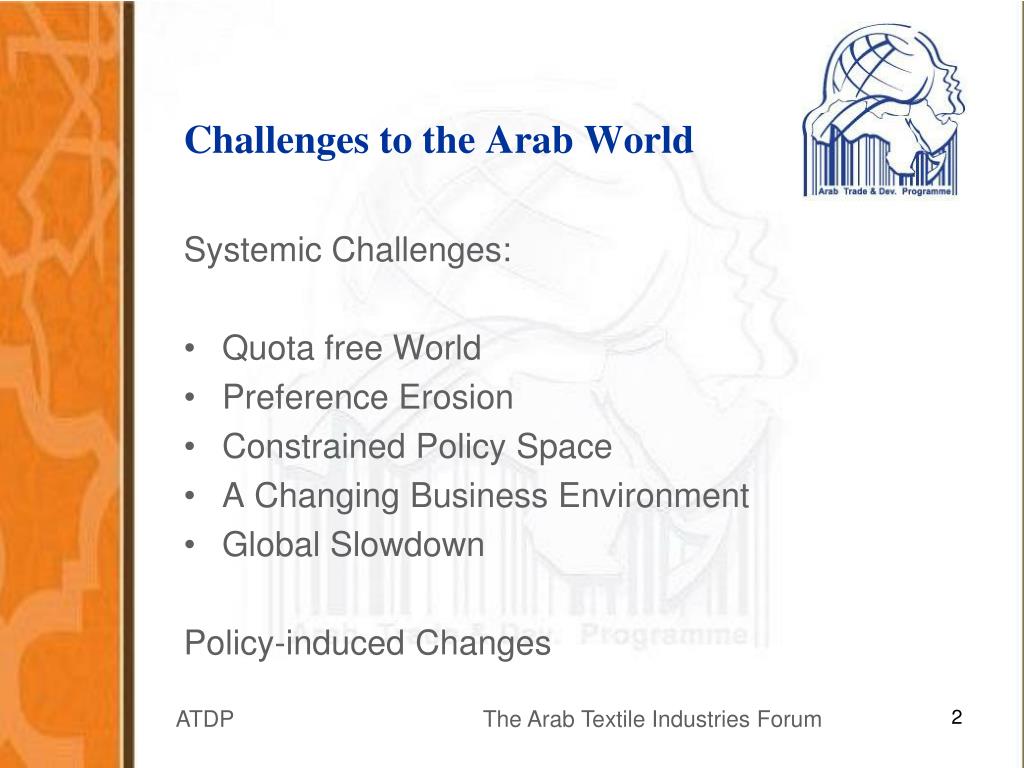
The Arab region has recently witnessed profound transformations related to the political, economic, and social landscape. The challenges facing Arab countries are increasing, raising questions about the future of stability and development in these nations. Under these circumstances, a collective effort among Arab countries is required to confront multiple crises.
The reasons behind these transformations are varied, ranging from political crises affecting some countries to economic challenges that necessitate new strategies for sustainable development. Additionally, social conditions play a significant role in shaping the region's future, as popular demands for reforms and improved living standards are on the rise.
Details of the Current Situation
Reports indicate that many Arab countries are facing severe political crises, suffering from political instability and internal conflicts. In this context, some governments are attempting to implement political and economic reforms; however, these efforts encounter resistance from certain political and social factions.
Economically, Arab countries are grappling with the repercussions of the COVID-19 pandemic, which has led to a decline in economic growth and an increase in unemployment rates. In this framework, governments are striving to attract foreign investments and bolster vital sectors such as tourism and industry.
Background & Context
Historically, the Arab region has experienced numerous significant transformations, starting with the popular uprisings that began in 2011, which led to radical changes in some countries. However, these changes have not achieved the desired stability and, in some cases, have exacerbated crises.
The regional and international dimensions intertwine in shaping the Arab situation, where major powers play a role in influencing the internal policies of countries. Additionally, regional conflicts, such as the Israeli-Palestinian conflict, remain one of the most prominent issues affecting stability in the region.
Impact & Consequences
The consequences resulting from the current situation in the Arab region are manifold, as political and economic crises directly impact citizens' lives. This is reflected in the increasing public protests and demands for reforms, placing governments before significant challenges.
Moreover, the deteriorating security situation in some countries complicates the landscape, as fears of escalating violence and extremism grow. These conditions require an effective response from both governments and the international community to ensure stability and security.
Regional Significance
The situations in Arab countries affect regional stability as a whole, with crises overlapping across various nations. Instability in one country can extend its impact to neighboring countries, threatening regional security.
Therefore, joint Arab cooperation becomes an urgent necessity to confront these challenges. Effective strategies for sustainable development and enhancing security are required, along with support for political and social reform efforts.
In conclusion, the current Arab situation necessitates collective action from Arab countries to address the increasing challenges. By enhancing cooperation and coordination, stability and development in the region can be achieved.