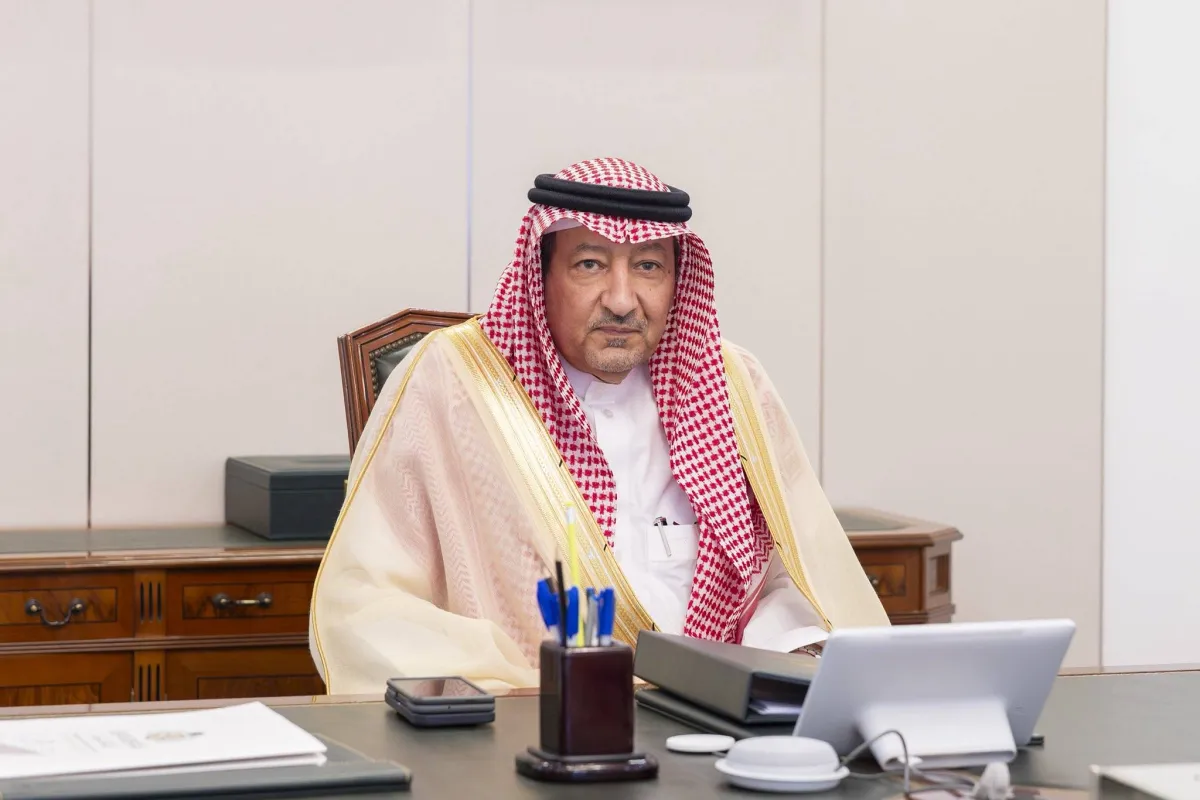
The Arab League, at the level of foreign ministers, renewed its condemnation of Iranian attacks targeting Arab countries during a meeting held on Sunday. These attacks have affected infrastructure and residential areas. The council emphasized the right of the targeted nations to defend themselves in accordance with Article 51 of the UN Charter.
In the 165th regular session, conducted via video conferencing and chaired by the Kingdom of Bahrain, the council supported the efforts of the targeted nations to defend their territories, stressing that "these brutal attacks cannot be justified by any argument or passed off under any pretext."
Details of the Event
The council issued a statement regarding the "unjust Iranian attacks on the security and sovereignty of several Arab countries," calling on Tehran to swiftly implement UN Security Council Resolution 2817, which calls for an immediate halt to the aggression. It also condemned Iranian actions aimed at closing the Strait of Hormuz, disrupting international navigation, or threatening freedom of navigation in Bab el-Mandeb and international waters.
The council welcomed the adoption of a resolution by the UN Human Rights Council addressing the human rights implications of the unjustified attacks launched by Iran against several Arab countries. The council demanded full, effective, and immediate compensation for all victims for the damages and losses resulting from these attacks.
Background & Context
In an emergency meeting held on March 8, Arab foreign ministers condemned Iranian attacks on Arab countries and affirmed their support for all measures taken by those nations, including the option of responding to the attacks. The ministers called on Tehran to immediately cease its aggressive military attacks and halt all actions related to closing the Strait of Hormuz.
In his speech during the meeting, Arab League Secretary-General Ahmed Aboul Gheit stated that the region "is experiencing an exceptional moment in its history," emphasizing the need to unify the Arab ranks to face common challenges. Aboul Gheit demanded an immediate halt to Iranian attacks, asserting that these actions pose a threat to international peace and security.
Impact & Consequences
Egyptian Foreign Minister Badr Abdel Atti, in his speech during the meeting, condemned the Iranian attacks targeting Gulf Cooperation Council countries, Jordan, and Iraq, indicating that they represent a violation of the UN Charter and a breach of international law. He stressed his country's full solidarity with the Arab nations that have faced these attacks.
Abdel Atti also affirmed that "the security of Arab countries is indivisible," and that any harm to an Arab state directly affects Egyptian national security and the shared Arab destiny. He called for the consideration of establishing a joint Arab force to defend Arab nations, a proposal that would send a clear message to the world that the Arab arena is not a battleground for settling scores.
Regional Significance
These developments come at a time when the region is witnessing increasing tensions, as Arab foreign ministers seek to enhance joint Arab action to confront the challenges posed by Iranian attacks. The Kuwaiti foreign minister pointed to the need to review the effectiveness of the joint Arab action system, emphasizing the urgent need for a comprehensive restructuring to enhance decision-making efficiency.
At the conclusion of the meeting, the Arab League decided to recommend to the upcoming Arab summit the support for the nomination of former Egyptian Foreign Minister Nabil Fahmy for the position of Secretary-General of the League, a step that reflects a move towards strengthening Arab coordination in the face of current challenges.