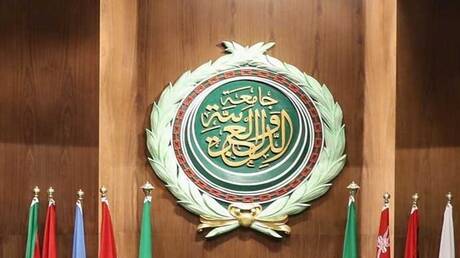
The Arab League Council at the ministerial level condemned the Iranian attacks that targeted several Arab countries, affirming their right to defend themselves against any aggression. This statement was made during a meeting held in the Egyptian capital, Cairo, where security and political developments in the region were discussed.
This condemnation comes at a time when the region is experiencing increasing tensions, with Iranian assaults on countries such as Iraq, Syria, and Lebanon escalating, raising concerns among Arab nations and leading to repeated calls for solidarity and cooperation to confront these challenges.
Details of the Meeting
During the meeting, Arab foreign ministers emphasized the necessity of adopting a unified stance against Iranian aggressions, noting that these attacks threaten Arab national security and require swift and effective responses. They also stressed the importance of enhancing military and security cooperation among Arab countries to address any potential threats.
The meeting also addressed the situations in Yemen and Libya, where ministers underscored the importance of supporting peace efforts in these countries, expressing their concerns over foreign interventions that hinder these efforts.
Background & Context
Historically, relations between Arab countries and Iran have been marked by ongoing tensions, especially following the Iranian revolution in 1979. Iranian policies in the region, including support for armed groups, have exacerbated these tensions. In recent years, Iranian attacks on countries such as Saudi Arabia and the UAE have heightened fears of potential military escalation.
This condemnation by the Arab League Council is a significant step in strengthening Arab unity, as Arab nations seek to confront the security challenges they face. Many ministers expressed their support for efforts to enhance Arab cooperation in addressing these threats.
Impact & Consequences
This condemnation serves as a strong message to Iran, demonstrating that Arab countries will not tolerate any assaults on their sovereignty. This move is expected to enhance security coordination among Arab nations, which may contribute to reducing tensions in the region.
Furthermore, this condemnation could impact relations between Iran and Western countries, as it may be used as a pretext for increasing pressure on Tehran from the international community. At the same time, it could lead to heightened tensions between Iran and Arab nations, increasing the likelihood of new conflicts in the region.
Regional Significance
The current situation in the Arab region requires greater coordination and cooperation among countries to tackle shared challenges. Iranian escalation could affect stability in countries like Iraq, Syria, and Lebanon, necessitating a swift response from Arab nations.
Under these circumstances, Arab countries must work together to enhance their defensive capabilities and develop effective strategies to counter external threats. Continuous efforts should also be made to promote dialogue and understanding between Arab nations and Iran to avoid military escalation that could lead to severe consequences for the region.