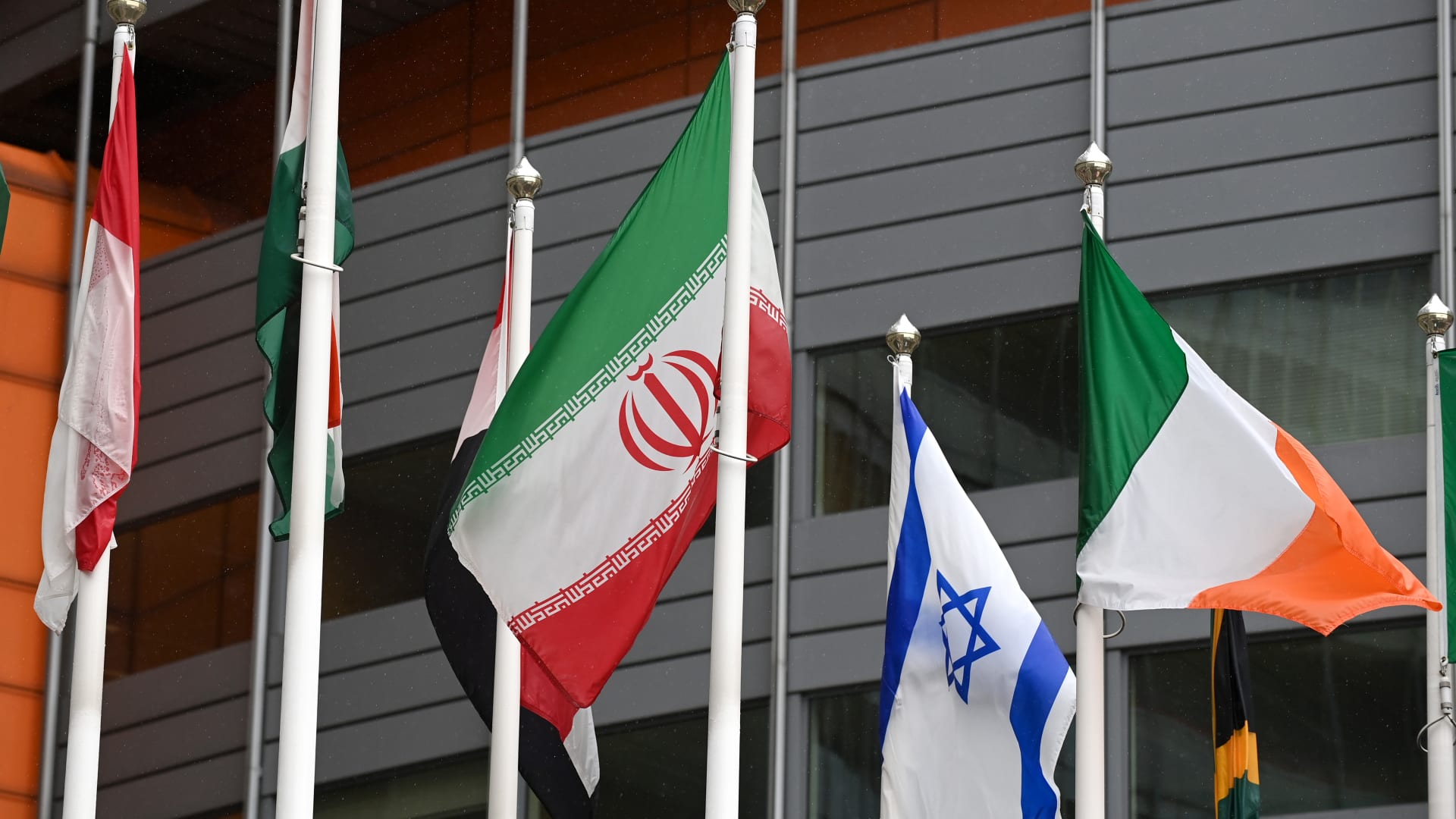
Six Arab countries, namely the United Arab Emirates, Kuwait, Bahrain, Saudi Arabia, Qatar, and Jordan, have strongly condemned the blatant Iranian aggressions, which represent a gross violation of national sovereignty and international laws.
In a joint statement, these nations emphasized the necessity of taking a firm stance against these aggressions, indicating that such actions threaten security and stability in the region. This statement comes at a time when relations between Arab nations and Iran are experiencing increasing tension, necessitating enhanced Arab cooperation to face common challenges.
Details of the Aggressions
The Iranian aggressions referred to in the statement include a range of military activities and political interventions that are perceived by Arab nations as a direct threat to their national security. These activities have been monitored in several areas, prompting Arab countries to bolster their diplomatic and military positions.
The statement also highlighted the importance of dialogue and understanding among nations, but it stressed that this cannot come at the expense of national sovereignty or regional security. It was reiterated that collective action is essential to confront these challenges, including coordination among Arab states in the fields of security and defense.
Background & Context
Historically, relations between Arab nations and Iran have experienced numerous fluctuations, with periods of cooperation and others of tension. The intensity of tension has increased in recent years due to several factors, including Iranian interventions in the internal affairs of Arab countries and its support for armed militias in nations such as Iraq, Syria, and Lebanon.
These aggressions are considered part of an Iranian strategy aimed at expanding its influence in the region, which contradicts the interests of Arab nations. This has led to the formation of new alliances among Arab countries to confront these challenges, reflecting a shift in regional dynamics.
Impact & Consequences
These aggressions are expected to exacerbate tensions in the region, potentially negatively impacting security and stability. Additionally, these circumstances may lead to increased military spending by Arab nations, placing additional pressures on their economies.
Moreover, the continuation of these aggressions could escalate armed conflicts in certain areas, increasing civilian suffering and complicating peace efforts. This situation poses a significant challenge to international efforts aimed at achieving stability in the region.
Regional Significance
These events underscore the importance of Arab unity in facing common challenges. Cooperation among Arab nations has become an urgent necessity to counter external threats, including Iranian aggressions. Furthermore, strengthening relations among Arab countries can contribute to improving economic and security conditions in the region.
In conclusion, the pressing question remains how Arab nations will respond to these challenges and what steps they will take to enhance their security and stability amid these changing circumstances. Unity and cooperation among Arab states will be key to successfully addressing these challenges.