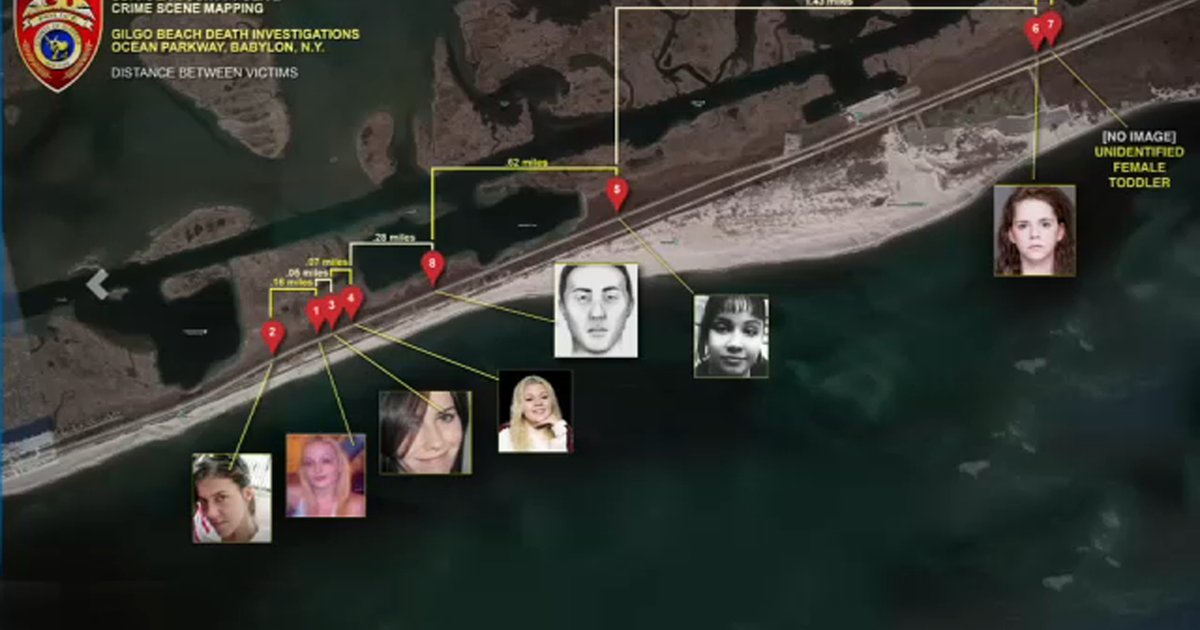
American architect Rex Heuermann is preparing to confess to the murders of eight victims, with an expected court appearance on Wednesday. Heuermann, arrested in 2023, faces charges for killing seven women between 1993 and 2011. An attorney representing some of the victims' families confirmed that Heuermann will admit to killing Karen Vergata, whose remains were partially identified in 2023 after she went missing in 1996.
The investigations into this series of murders began in 2010 when police discovered remains of up to eighteen individuals on Gilgo Beach in Long Island. Authorities believe these crimes date back to 1996, as remains found on Gilgo Beach matched partial remains discovered on Fire Island in the same year. Most of the victims' remains were found near Heuermann's home in Long Island, raising further suspicions about his involvement in these crimes.
Details of the Case
Heuermann was arrested outside his office in Manhattan in July 2023 and was charged with the murders of three women: Melissa Barthelemy (24), Megan Waterman (22), and Amber Costello (27). Over the following year and a half, he faced additional charges for the murders of four other women: Maureen Brainard-Barnes (25), Jessica Taylor (20), Valerie Mack (24), and Sandra Costea (28). The eighth victim, Vergata, is believed to have been 34 years old at the time of her disappearance.
Suffolk County prosecutors stated that they found a document believed to have been used by Heuermann when planning his crimes, which included columns titled "Problems" and "Supplies." The "Problems" column contained words such as "DNA," "tire tracks," and "blood stains." The document also listed methods of murder that Heuermann allegedly researched and lessons from previous murders.
Background & Context
The murders at Gilgo Beach are considered one of the most notorious cases in the United States, garnering widespread media and public interest. The origins of these cases trace back to the 1990s, when several women went missing and were presumed victims of a serial killer. Technological advancements in investigations, such as DNA analysis, have contributed to uncovering some of these crimes.
This case is marked by its complexity, intertwining various social and economic factors. Most of the victims were believed to be sex workers, raising issues about how society addresses this group of women.
Impact & Consequences
This case serves as a painful reminder of the severity of violence against women, particularly in communities suffering from discrimination. It highlights the urgent need for societal change and justice for victims.
The implications of this case extend beyond the immediate legal proceedings, as it raises awareness about the systemic issues surrounding violence against marginalized groups, particularly women involved in sex work.
Regional Significance
The Gilgo Beach murders have sparked discussions about safety and justice in Long Island and beyond. Local communities are calling for better protective measures for vulnerable populations and more effective law enforcement responses to such crimes.
As the case unfolds, it continues to attract attention and provoke discussions about the societal responsibilities in preventing violence against women and ensuring justice for victims.