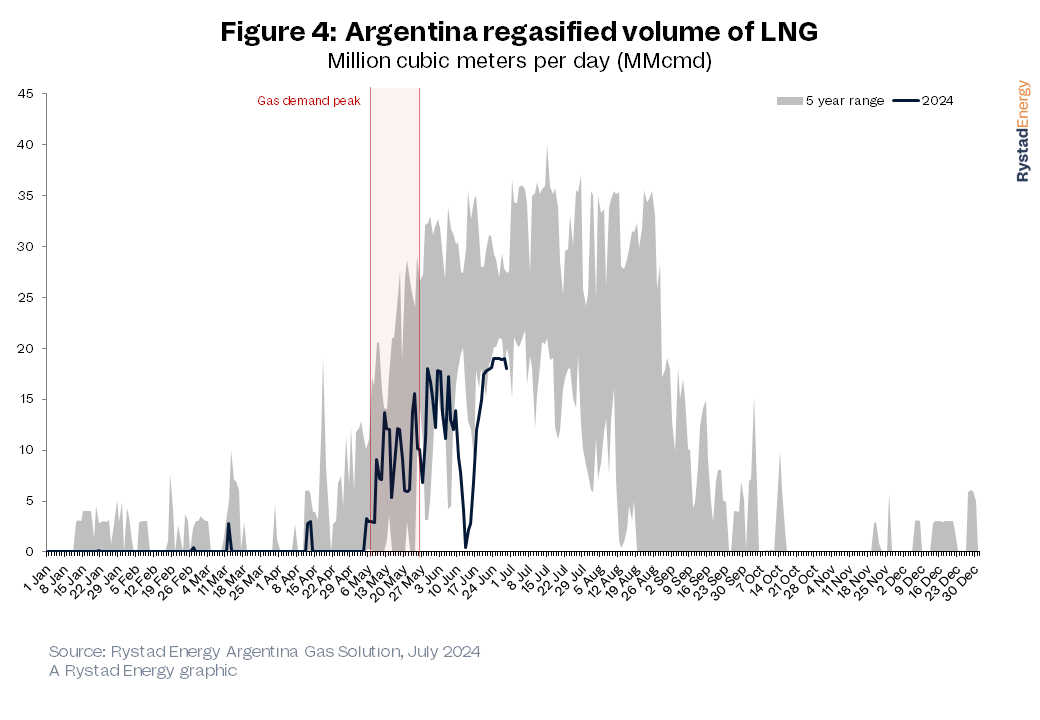
Argentina is actively pursuing shipments of liquefied natural gas (LNG) as it prepares for the upcoming winter season. This initiative is taking place at a time when the global market is experiencing substantial pressures due to the ongoing conflict in Iran, complicating the energy market situation.
As a country that heavily relies on natural gas to meet its energy needs during winter, Argentina is witnessing an increase in demand for gas to provide necessary heating for homes and public facilities. With mounting pressures on the market, the Argentine government is striving to secure sufficient supplies to avoid any potential shortages.
Event Details
All eyes are on Argentina amid the current circumstances, as the government has announced plans to import LNG from several countries. These shipments are expected to include large quantities to meet local market needs. This decision comes at a sensitive time when the world is facing significant challenges in securing energy supplies due to geopolitical conflicts.
The prices of natural gas are significantly influenced by global events, particularly armed conflicts that affect production and transportation. Given the current situation in Iran, Argentina faces additional challenges in securing its gas needs, making this step increasingly important.
Background & Context
Historically, Argentina has depended on its local natural gas production, but with rising demand and declining domestic output, the country has found itself in need of gas imports to meet its requirements. Recent years have seen significant shifts in global energy markets, where conflicts in various regions have led to price volatility and supply availability.
Iran is one of the largest producers of natural gas in the world, and any disruptions in this country directly impact global markets. As tensions in the region escalate, gas-consuming countries like Argentina are seeking alternatives to secure their energy needs.
Impact & Consequences
This move by Argentina could increase pressure on natural gas prices in global markets. With rising demand from other countries as well, we may witness a spike in prices, affecting consumers worldwide. Additionally, this situation may compel gas-producing nations to reassess their production and export strategies.
Moreover, Argentina may face challenges in securing timely shipments, potentially leading to supply shortages during the winter. This could place significant pressure on the government to meet the needs of its citizens.
Regional Significance
The natural gas markets are among the most critical issues affecting the global economy, including Arab countries. Many Arab nations rely on gas exports to secure their revenues. Therefore, any changes in demand or prices in global markets could impact Arab economies.
Furthermore, conflicts in regions like Iran affect the stability of energy markets, reflecting on Arab countries that seek to secure their gas supplies. Thus, Argentina's efforts to secure gas highlight the challenges faced by nations in meeting their energy needs.