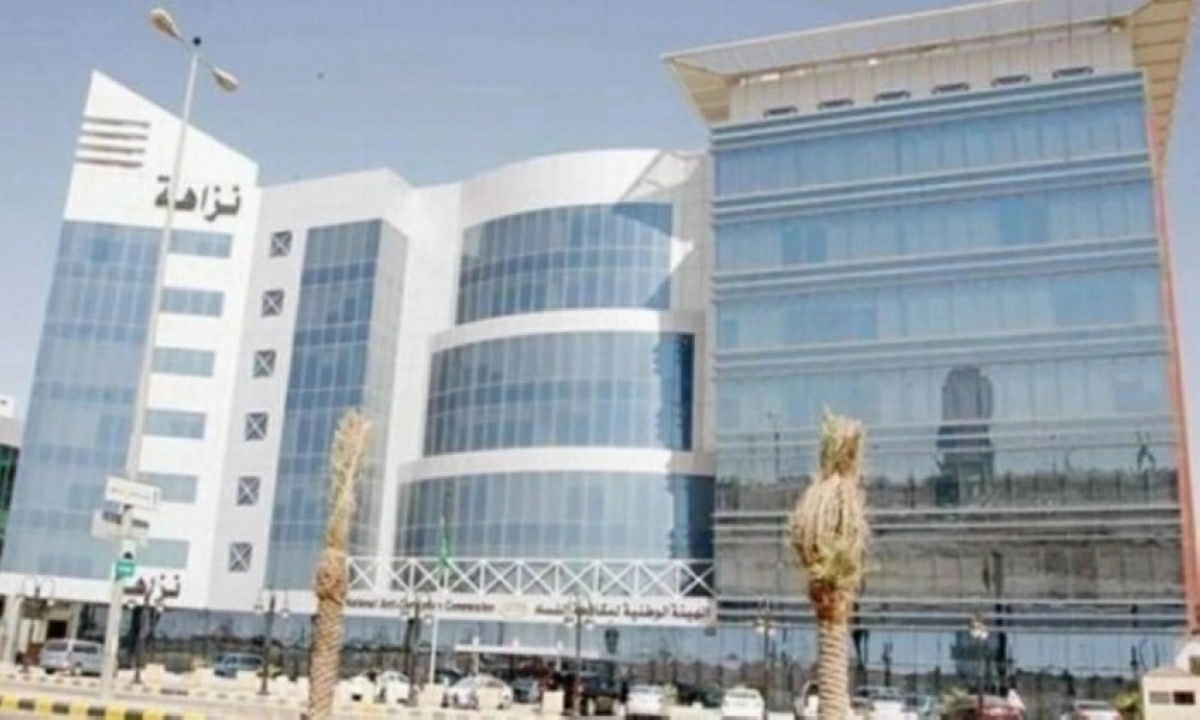
The National Anti-Corruption Commission (Nazaha) in the Kingdom of Saudi Arabia has announced the arrest of 71 suspects, including a number of government employees, on charges related to corruption. These arrests came after the commission conducted 1,395 inspection visits during the month of March, which resulted in investigations being opened against 360 individuals for charges related to bribery and abuse of power.
The list of suspects includes employees from the Ministry of Interior, Ministry of Health, and Ministry of Sports, reflecting the widespread nature of corruption across various government sectors. Some of the suspects have been released on bail in accordance with the provisions of the Criminal Procedure Law, while the commission continues to complete the necessary legal procedures before referring the implicated individuals to the judiciary.
Details of the Operation
This campaign is part of the National Anti-Corruption Commission's efforts to enhance transparency and integrity within government institutions. The commission has confirmed that it will continue inspection and monitoring operations to ensure that corruption does not spread in the country. It has also urged citizens to report any suspicious financial or administrative transactions through its official channels, including the toll-free number 980 and its website.
This step is part of a broader strategy aimed at enhancing trust in the government and its institutions, especially in light of the economic and social challenges facing the Kingdom. This announcement comes at a sensitive time as the government seeks to improve its image and enhance transparency across all sectors.
Background & Context
Historically, the Kingdom of Saudi Arabia has faced significant challenges in the area of corruption, which has adversely affected economic and social development. In recent years, the government has launched numerous initiatives to combat corruption, including the establishment of the National Anti-Corruption Commission in 2011. This commission aims to promote transparency and accountability in the public sector and is considered one of the key tools in the government's efforts to fight corruption.
In recent years, the Kingdom has witnessed significant shifts in its economic and social policies, particularly under the Vision 2030 initiative launched by the Saudi Crown Prince. This vision aims to diversify the economy and reduce dependence on oil, which requires a clean and corruption-free investment environment.
Impact & Consequences
The arrests are seen as a positive step towards enhancing integrity in the public sector and may lead to improved trust between citizens and the government. Additionally, these measures could encourage more citizens to report corruption, thereby contributing to increased transparency and accountability.
However, the biggest challenge remains in how to effectively implement these measures and ensure that instances of corruption do not recur in the future. The government needs to establish effective mechanisms for monitoring government performance and fostering an institutional culture that rejects corruption.
Regional Significance
The issue of corruption is a complex challenge facing many Arab countries, negatively impacting economic and social development. Saudi Arabia's success in combating corruption could serve as a model for other countries in the region, thereby enhancing reform and development efforts.
In this context, these steps could help improve economic relations with other countries, as transparency and integrity are fundamental factors in attracting foreign investments.
In conclusion, these arrests represent an important step in the fight against corruption in the Kingdom and reflect the government's commitment to achieving transparency and integrity across all sectors.