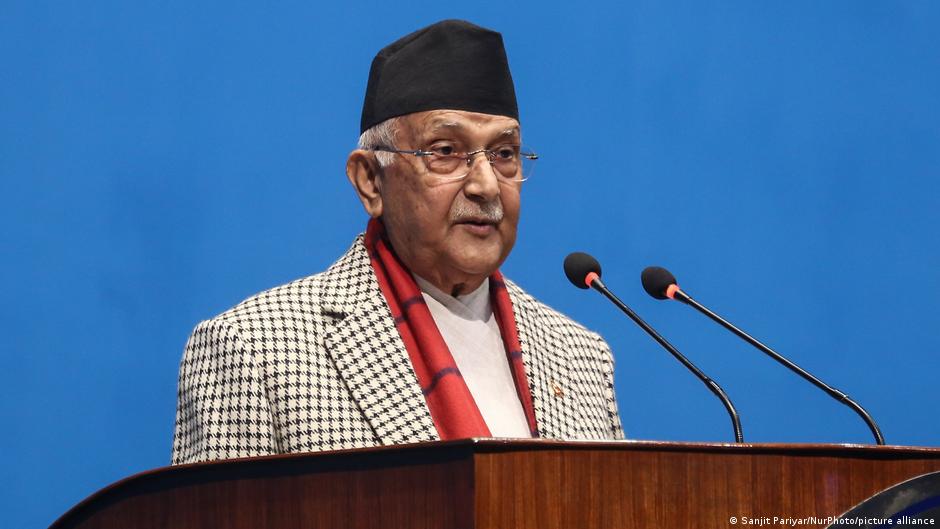
Nepalese authorities arrested former Prime Minister K P Sharma Oli and former Home Minister Ramesh Lekhata on Saturday morning as part of ongoing investigations into their roles in the bloody protests that erupted in the country last September. These protests resulted in the deaths of 76 people within two days, leading to Oli's resignation from his position.
The spokesperson for the Kathmandu Valley Police, Om Adhikari, stated that legal action will be taken against the detainees for their failure to prevent the unrest that led to the violence. Adhikari said, "They were arrested this morning and the investigation will proceed according to the law."
Details of the Arrests
These arrests come after recommendations from a government committee formed to investigate the violent events that occurred in the country. The committee recommended pursuing legal action against Oli for negligence in managing the protests, as reports indicated that the government failed to take necessary measures to contain the explosive situation. These events led to Oli's resignation, who had been in office since 2018.
It is noteworthy that the protests erupted following allegations of corruption against the government, with thousands of citizens taking to the streets demanding accountability for those responsible for corruption. What began as peaceful protests escalated into violence, raising international concerns about the security situation in Nepal.
Background & Context
Nepal's political history is filled with tensions and conflicts, having witnessed numerous popular protests over the years. In recent years, the intensity of protests has increased due to rising corruption and poor government management. The recent protests were among the bloodiest events in modern Nepal's history, reflecting widespread public discontent with the government.
Nepal is a country with a long history of political strife, having experienced a decade-long civil war that ended in 2006. Since then, the country has faced significant challenges in building a stable democratic system, making corruption a central issue in political discussions.
Impact & Consequences
These arrests are expected to exacerbate the political situation in Nepal, potentially sparking further protests from Oli's supporters. Additionally, these events may impact the political stability of the country, possibly leading to changes in the government or even early elections.
Moreover, these developments could affect Nepal's international relations, especially with countries closely monitoring the situation. The current government may face increased pressure from the international community to improve human rights conditions and combat corruption.
Regional Significance
Although events in Nepal may seem distant from the Arab region, there are lessons to be learned. Political conflicts and popular protests against corruption are not phenomena confined to one area; they are a global issue. Arab countries can benefit from Nepal's experience in handling popular protests, especially amidst the economic and social challenges they face.
In conclusion, the events in Nepal reflect a state of public discontent towards corruption and mismanagement. The recent arrests may mark the beginning of a new chapter in the country's political history, warranting close monitoring by the international community.