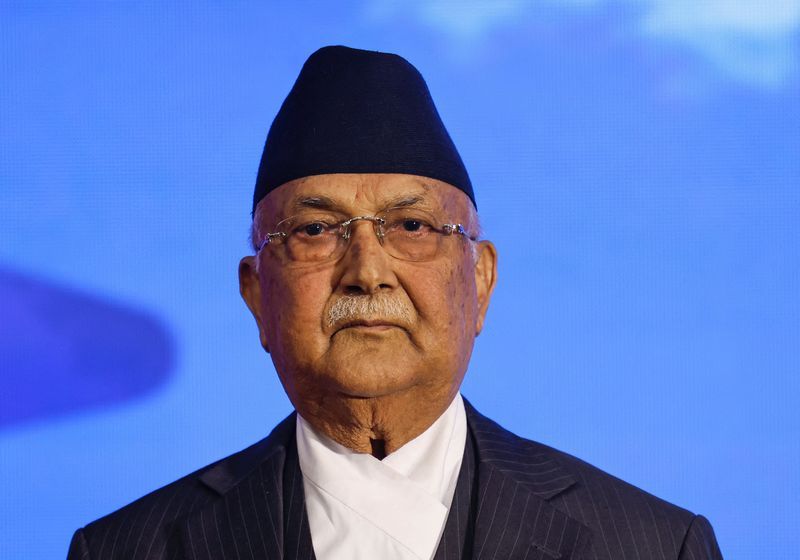
Nepalese police arrested former Prime Minister K.P. Sharma Oli on Saturday as part of an investigation into potential negligence that led to the deaths of dozens during Gen Z protests last September. These protests, which erupted over issues related to education and unemployment, resulted in the deaths of several demonstrators, sparking widespread outrage across the country.
This arrest comes at a time when Nepal is experiencing rising social tensions, with young people demanding better living conditions and job opportunities. It is believed that the previous government, led by Oli, failed to take necessary measures to prevent the escalation of violence during these protests.
Details of the Incident
In September 2022, thousands of young Nepalese took to the streets to protest against government policies they deemed inadequate in addressing the economic and social challenges they face. The protests witnessed violent clashes with security forces, leading to numerous injuries and fatalities.
The ongoing police investigations are focusing on Oli's role in managing the crisis and whether he took sufficient steps to protect the protesters or displayed negligence in his duties. The arrest follows increasing calls from civil society for accountability regarding the violence witnessed in the country.
Background & Context
Historically, Nepal has seen numerous popular protests reflecting the social and political struggles within the country. Since the end of the civil war in 2006, the nation has been striving for political stability, yet economic and social crises continue to impact citizens' lives.
The Gen Z protests are not the first of their kind, as Nepal has experienced a rise in youth movements demanding change in recent years. However, the violence accompanying these protests raises concerns about how the government is addressing popular demands.
Impact & Consequences
The arrest of Oli could have significant repercussions on the political landscape in Nepal. It may escalate tensions between the current government and the opposition, potentially sparking further protests from Oli's supporters. Additionally, this arrest could affect the current government's image and its ability to manage crises.
On an international level, the global community may closely monitor the situation in Nepal, especially given the political and economic crises the country is facing. These events could lead to international interventions or pressure on the government to improve human rights conditions.
Regional Significance
The events in Nepal serve as an example of the challenges faced by many countries worldwide, including Arab nations, where popular demands for change and reform are increasing. The protests in Nepal remind us of the importance of responding to youth demands and providing a safe environment for expressing opinions.
Moreover, the events in Nepal may inspire youth movements in Arab countries, as young people strive for change in their communities. It is crucial for governments to learn from past experiences and work towards improving citizens' living conditions.