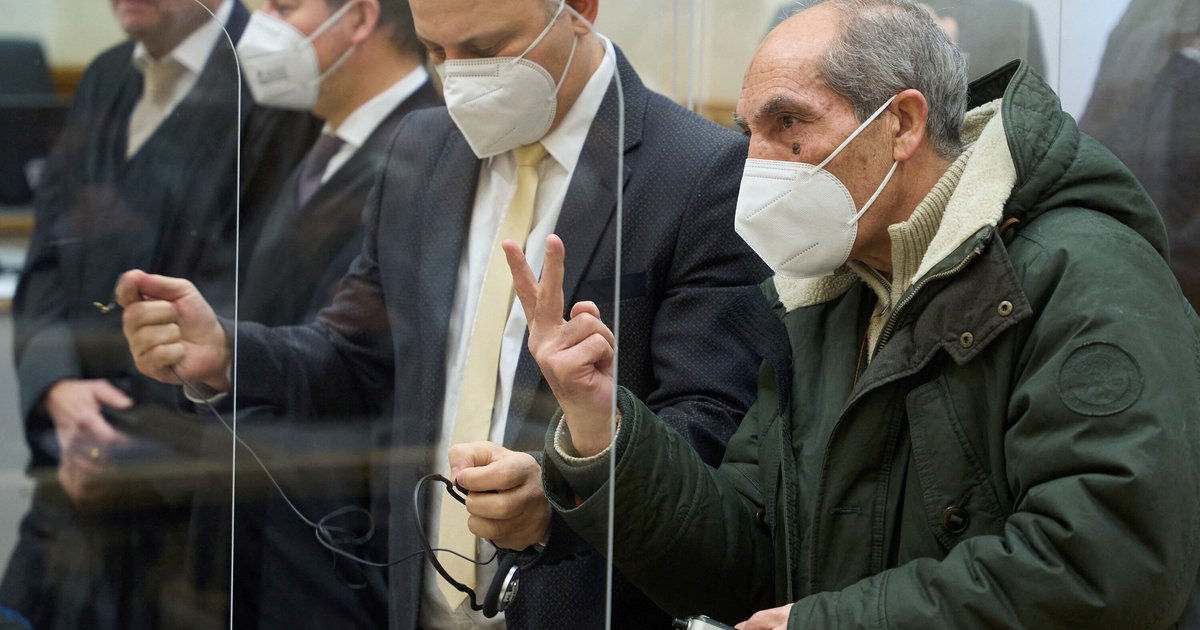
In the past two days, Syria witnessed two significant events on both security and judicial fronts, with the announcement of the arrest of Amjad Youssef, the main suspect in the "Tadamun massacre". This occurred as the Ministry of Justice began the trial of several figures from the ousted regime, led by former security official in Daraa, Atef Najib.
Youssef is accused of executing dozens of civilians in the Tadamun neighborhood south of Damascus in 2013, where their bodies were burned in a mass grave. This massacre was revealed through video recordings in 2022. Meanwhile, Atef Najib's name is associated with the initial spark of the Syrian revolution, following the arrest of children in Daraa for writing anti-regime slogans.
Details of the Events
The coincidence of the arrest of field perpetrators and the trial of security leaders carries implications that go beyond procedural aspects. It sends essential messages to the Syrian street, remnants of the regime, and the international community. The first message is an attempt to reduce the time gap between the commission of violations and the moment of accountability, as there are years of waiting and anticipation between the events in Daraa in 2011 and the Tadamun massacre in 2013.
The Syrian Minister of Justice, Mohammad Mufeed al-Wais, confirmed that the court is "preparing for the moment long awaited by the victims: the start of public trials for the regime's henchmen." These trials are considered a practical first step towards uncovering the fate of the victims and the families of the missing.
Background & Context
The second message has a security dimension, indicating that hiding does not guarantee escaping punishment. The arrest of Amjad Youssef in the Hama countryside after being in hiding since the overthrow of Bashar al-Assad's regime in December 2024 reflects the continuity of monitoring and tracking operations. The Syrian ambassador to the United Nations, Ibrahim al-Ali, stated, "You can run, but you will never escape justice," pledging to continue the pursuit until reaching senior officials in the chain of command.
Demands in the Syrian street go beyond the trial of mid-level leaders and perpetrators, as calls escalate to bring the ousted president Bashar al-Assad, who fled to Moscow, to justice. The trial of Atef Najib and the investigation with Youssef are considered essential legal steps to establish the chain of command.
Impact & Consequences
The head of the National Commission for Transitional Justice, Abdul Basit Abdul Latif, clarified that pursuing Assad requires preparing files that incriminate him personally, in preparation for presenting them to the judiciary and issuing arrest warrants that allow communication with Interpol for international pursuit. The fourth message relates to community structure, as institutional trials present an alternative to prevent slipping into paths of revenge.
Academic and political researcher Kamal Aboud pointed out that the path of transitional justice "cannot be separated from civil peace," warning that the absence of accountability could lead to internal conflict. Political writer and analyst Omar Koush considered that the actual initiation of the justice process would "negate the acts of revenge that occur from time to time."
Regional Significance
The fifth message responds indirectly to human rights criticisms directed at the transitional justice process. Despite current steps, rights advocates point to the absence of a comprehensive law for transitional justice, warning of slow procedures or their selectivity. Observers believe that these simultaneous movements may help alleviate some of those concerns, despite the confirmation from the head of the Syrian Network for Human Rights, Fadel Abdul Ghani, of the ongoing "shortcomings in pursuing perpetrators of violations," calling for expanding arrest campaigns to include thousands involved.
Between ending a long wait for victims, sending warning messages to remnants of the former regime, escalating demands for the handover of Assad, and protecting civil peace while addressing human rights concerns, these developments place the path of transitional justice in Syria before a real test, determining the current institutions' ability to reduce the spaces of impunity.