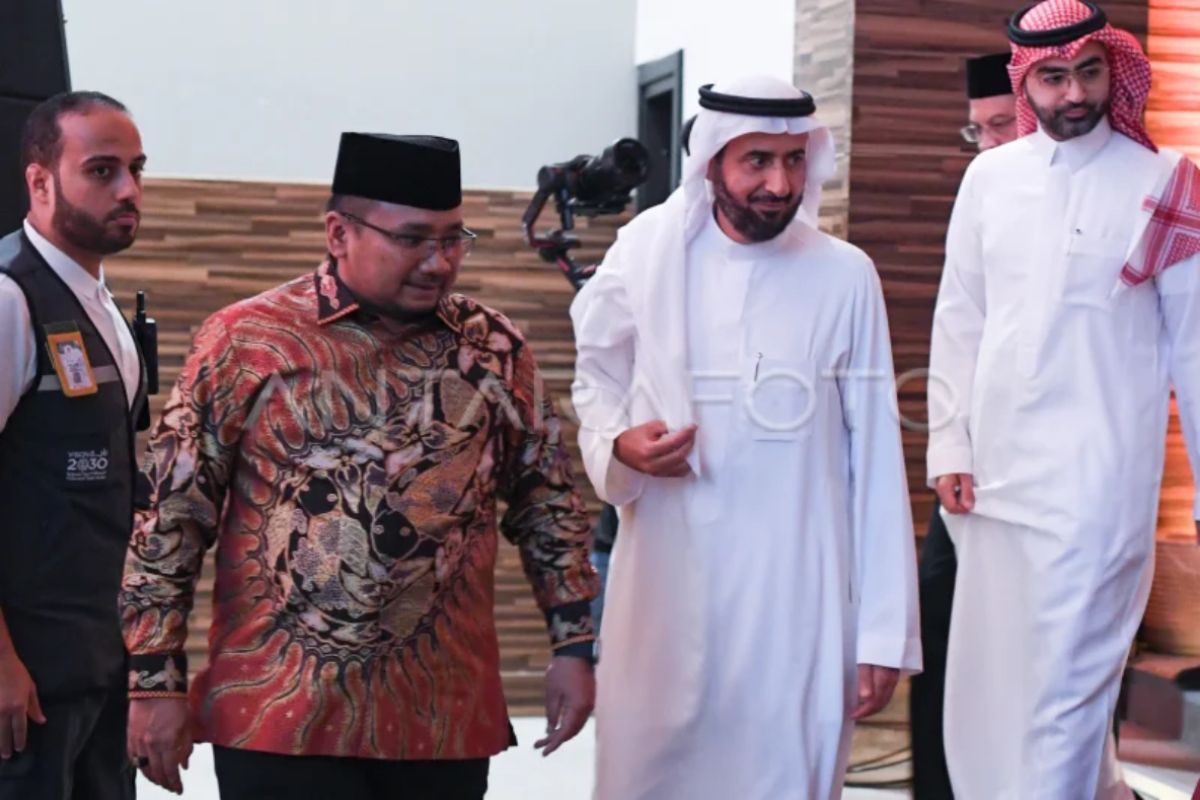
In a new step in the fight against corruption, the Indonesian Corruption Eradication Commission (KPK) announced the arrest of two new individuals in a corruption case concerning the distribution of Hajj quotas for the year 2023-2024 on Monday, March 30. This raises the total number of detainees in this case to four, reflecting the seriousness of the Indonesian government in combating corruption that affects one of the most important religious rituals.
This case arises at a sensitive time for Muslims in Indonesia, as Hajj is considered one of the most significant acts of worship that many aspire to perform. The issue has sparked widespread reactions within Indonesian society, with many believing that corruption in quota distribution hinders numerous citizens from fulfilling this religious obligation.
Details of the Incident
According to reports, preliminary investigations indicate that the new detainees are involved in manipulation of the quota distribution, leading to some individuals exploiting their positions for personal gain. This case was uncovered after several months of investigations conducted by the commission, which included questioning a number of relevant officials and employees.
This case is part of the Indonesian government's efforts to enhance transparency and combat corruption across all sectors, particularly in matters related to religious rituals. The commission has confirmed that it will continue its investigations until all individuals involved in this case are identified.
Background & Context
Historically, Indonesia, the largest Muslim-majority country by population, has faced multiple corruption issues, particularly in sectors such as education, health, and transportation. These issues have negatively impacted citizens' trust in government institutions. In recent years, the government has taken serious steps to combat corruption, including strengthening the role of the Corruption Eradication Commission and implementing stricter laws.
Hajj is one of the fundamental rituals in Islam and represents an opportunity for Muslims to draw closer to God. However, corruption in quota distribution can deprive many Muslims of the chance to perform this obligation, increasing the importance of transparency in this area.
Impact & Consequences
This case serves as a wake-up call for the Indonesian government and society at large, highlighting the urgent need to enhance transparency and accountability across all sectors. Furthermore, this case may affect the government's reputation in the eyes of citizens and could lead to increased demands for reforms in the quota distribution system.
It is expected that this case will exert further pressure on the government to intensify its anti-corruption efforts, and may encourage citizens to engage more actively in monitoring government performance and holding it accountable.
Regional Significance
The corruption case regarding Hajj quota distribution is a matter of concern for Muslims worldwide, including in Arab countries. Transparency in managing religious rituals is crucial to ensure Muslims' rights to perform the Hajj pilgrimage. This case could serve as a lesson for Arab nations on how to address corruption issues and enhance transparency in managing religious affairs.
In conclusion, the corruption case involving Hajj quota distribution in Indonesia poses a significant challenge to both the government and society. It is essential that efforts to combat corruption and enhance transparency continue to ensure citizens' rights to perform their religious rituals.