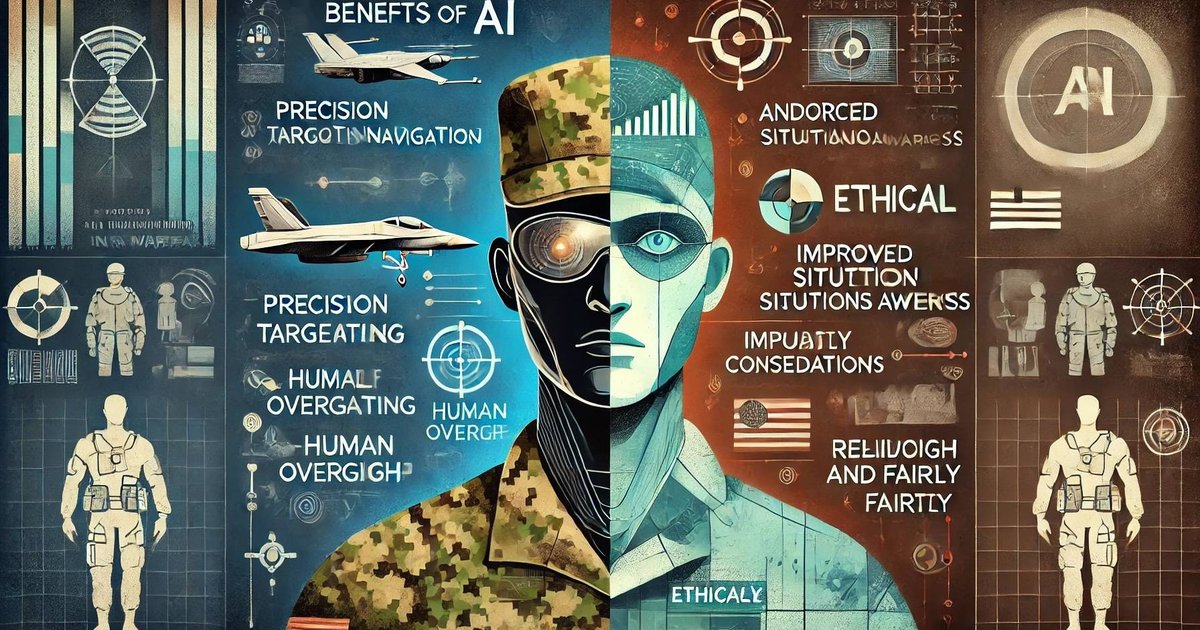
The former Minister of Awqaf, during his speech at a seminar on modern technology, asserted that artificial intelligence has become a fundamental weapon in modern warfare, pointing out that reliance on past tools is no longer effective in light of the rapid developments the world is witnessing.
The minister noted that artificial intelligence enables countries to enhance their military strategies and develop new methods for managing conflicts, thereby altering traditional power balances.
Event Details
The former Minister's statements came in the context of discussing the impact of technology on national security, where he explained that countries adopting artificial intelligence in their armies will be able to achieve strategic superiority over their competitors. The seminar also addressed how artificial intelligence can be used in data analysis and event prediction, contributing to more accurate and effective decision-making.
He also pointed out that artificial intelligence is not limited to the military field but extends to multiple areas such as cybersecurity and the economy, reflecting the importance of this technology in all aspects of life.
Background & Context
Throughout history, wars have undergone significant transformations in their tools and methods. From the use of conventional weapons to nuclear arms, and now to artificial intelligence, it is clear that each phase requires new strategies. In recent years, many countries have begun investing billions of dollars in developing artificial intelligence technologies, reflecting the importance of this technology for the future.
Concerns are growing that artificial intelligence could lead to a new arms race, as countries strive to develop systems capable of executing military operations independently. This raises questions about the ethics and regulations necessary for using this technology in warfare.
Impact & Consequences
The implications of using artificial intelligence in wars are numerous, as it can reduce human casualties through the use of robots and drones. However, this use raises concerns about losing control over military operations, which could lead to unforeseen consequences.
Moreover, artificial intelligence can affect defense and attack strategies, requiring countries to reassess their military capabilities and develop new strategies to face future challenges.
Regional Significance
In the Arab region, artificial intelligence may have a significant impact on ongoing conflicts. Countries investing in this technology may enhance their military capabilities, altering the balance of power in the region. Additionally, the use of artificial intelligence in areas such as cybersecurity can help Arab nations protect their infrastructure from cyberattacks.
In conclusion, artificial intelligence represents a radical shift in the nature of warfare, and Arab countries must be prepared to face these challenges by investing in technology and developing effective strategies.