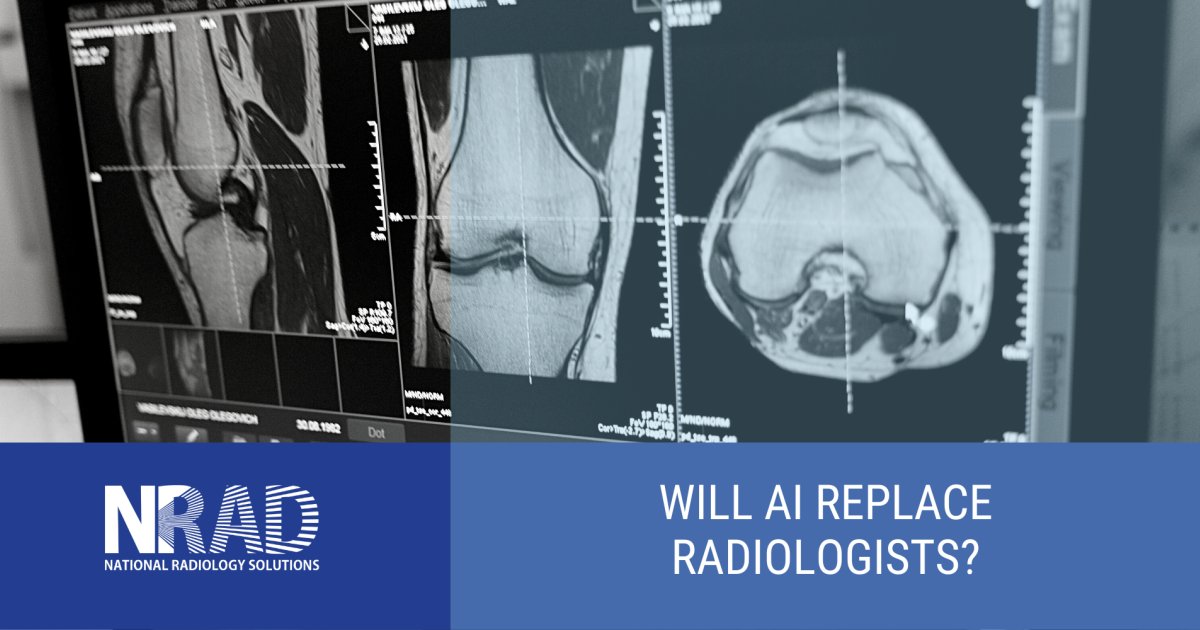
Artificial intelligence is increasingly threatening the profession of radiologists as modern technologies aim to enhance diagnostic accuracy and reduce reliance on human experts. This shift may alter the nature of work in this field, raising questions about the future of specialists and their ability to adapt to these changes.
Studies indicate that artificial intelligence can achieve high accuracy in reading radiographs, thereby minimizing human errors. Some research has shown that AI systems can outperform doctors in diagnosing certain conditions, causing concern among radiologists about their professional future.
Details of the Event
Investments in artificial intelligence technologies in the medical field are on the rise, with many hospitals moving towards using these systems to improve work efficiency and reduce costs. However, this shift could lead to a reduction in the number of available jobs for radiologists, placing them in a challenging position.
Current applications of artificial intelligence in radiology include the analysis of medical images, such as X-rays, MRI scans, and CT scans. These systems are capable of learning from large datasets and providing accurate results at a speed that surpasses human doctors.
Background & Context
Historically, the profession of radiologists has heavily relied on human expertise in interpreting medical images. As technology has advanced, new tools have emerged to assist doctors in improving diagnostic accuracy. However, the emergence of artificial intelligence represents a qualitative leap that could change the rules of the game.
In recent years, there has been a noticeable increase in the use of artificial intelligence across various medical fields, reflecting the general trend towards digitizing healthcare services. This transformation requires specialists to adapt to new technologies and develop their skills to keep pace with rapid advancements.
Impact & Consequences
The increasing reliance on artificial intelligence may reduce the need for radiologists in certain cases, raising concerns about job loss. Nonetheless, AI could also provide new opportunities for specialists to expand their skills and focus on other aspects of healthcare.
Specialists need to consider how to integrate artificial intelligence into their daily practices, which may require reevaluating their roles within medical teams. This transformation could lead to improved healthcare quality but also necessitates investment in education and training.
Regional Significance
In the Arab region, the impact of artificial intelligence on the profession of radiologists may be significant, especially in countries experiencing rapid development in the healthcare sector. This transformation requires specialists in these countries to be familiar with modern technologies and strive to develop their skills to keep up with changes.
As reliance on artificial intelligence increases, hospitals in the region may be able to enhance the efficiency of their services and reduce costs, benefiting patients. However, this must be done cautiously to ensure that valuable human expertise is not lost.
In conclusion, artificial intelligence poses both a challenge and an opportunity for radiologists. They must adapt to these changes and leverage the opportunities provided by modern technology to ensure a sustainable professional future.