ASEAN nations, heavily reliant on energy imports, are facing increasing pressure to negotiate with Iran regarding the passage of their vessels through the Strait of Hormuz, amid the ongoing conflict in the Middle East. Analysts have pointed out that these countries are caught in a dilemma between securing their energy supplies and accepting the political conditions imposed by Tehran.
Since the onset of the conflict in February, Iran has significantly halted traffic through the strait, prompting several Asian countries, including China, India, Pakistan, Japan, Thailand, and Malaysia, to seek ways to obtain permission for their vessels to transit.
Details of the Situation
Reports indicate that Iran has begun allowing certain countries to pass through the Strait of Hormuz, but it follows a selective policy based on the political stance of those nations towards the United States and Israel. For instance, Malaysia has received permission to transit due to its moderate stance and historical relations with Tehran.
Concerns are growing that the continuation of the conflict will push more ASEAN countries, such as the Philippines and Vietnam, to negotiate for transit permission, especially given the fuel shortages these nations are experiencing.
Background & Context
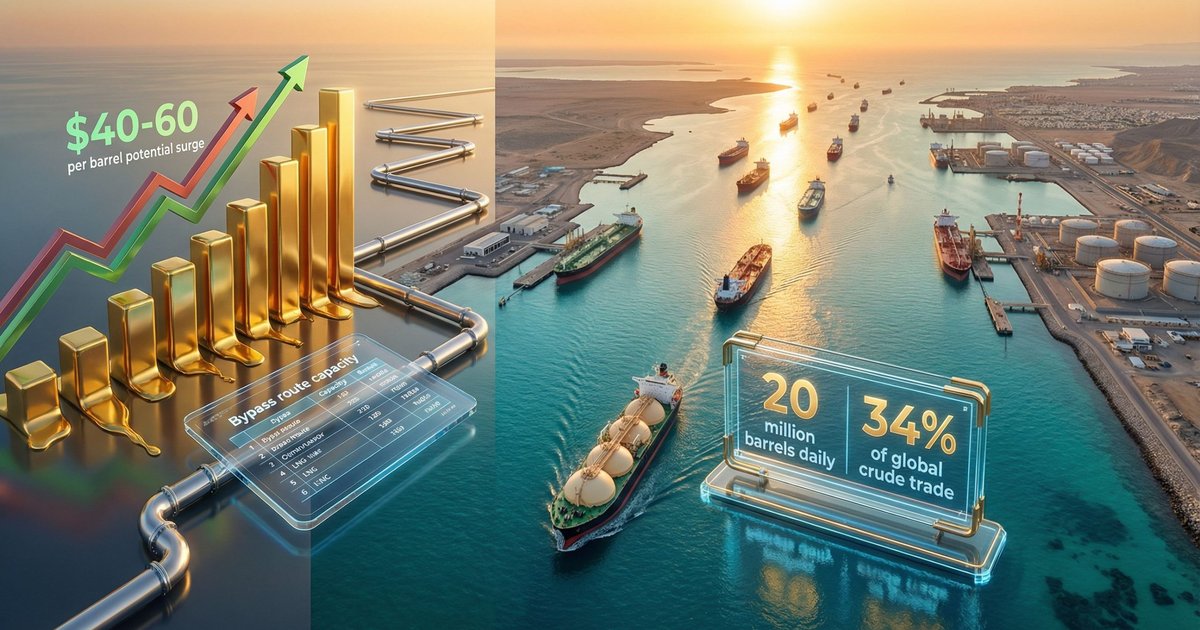
The Strait of Hormuz is a vital point in global trade, with approximately a quarter of the world's seaborne oil passing through it. The closure of the strait has led to rising fuel prices in the region, adversely affecting the economies of oil-dependent countries.
Historically, the strait has witnessed recurring tensions due to regional disputes, making it a sensitive strategic point. Since the beginning of the current conflict, Iran has intensified its pressure on countries it perceives as hostile, while other nations are seeking to secure their supplies through negotiations.
Impact & Consequences
Analysts predict that the ongoing conflict will exacerbate the energy crisis in ASEAN countries, prompting them to seek alternatives to secure their supplies. This may lead to increased reliance on alternative energy sources or diversification of trade partners.
Moreover, Iran is leveraging this situation as a means of political pressure, allowing passage for countries it considers non-hostile while imposing fees on others. This could create new dynamics in international relations within the region.
Regional Significance
Arab nations are also directly affected by these developments, as any disruptions in energy supplies will impact oil prices in global markets. Additionally, Arab countries, especially those dependent on oil, will face challenges in securing their supplies under these volatile conditions.
In conclusion, the situation in the Strait of Hormuz is likely to remain a major point of tension in international relations, as the concerned nations must make difficult decisions regarding energy security and foreign policy.