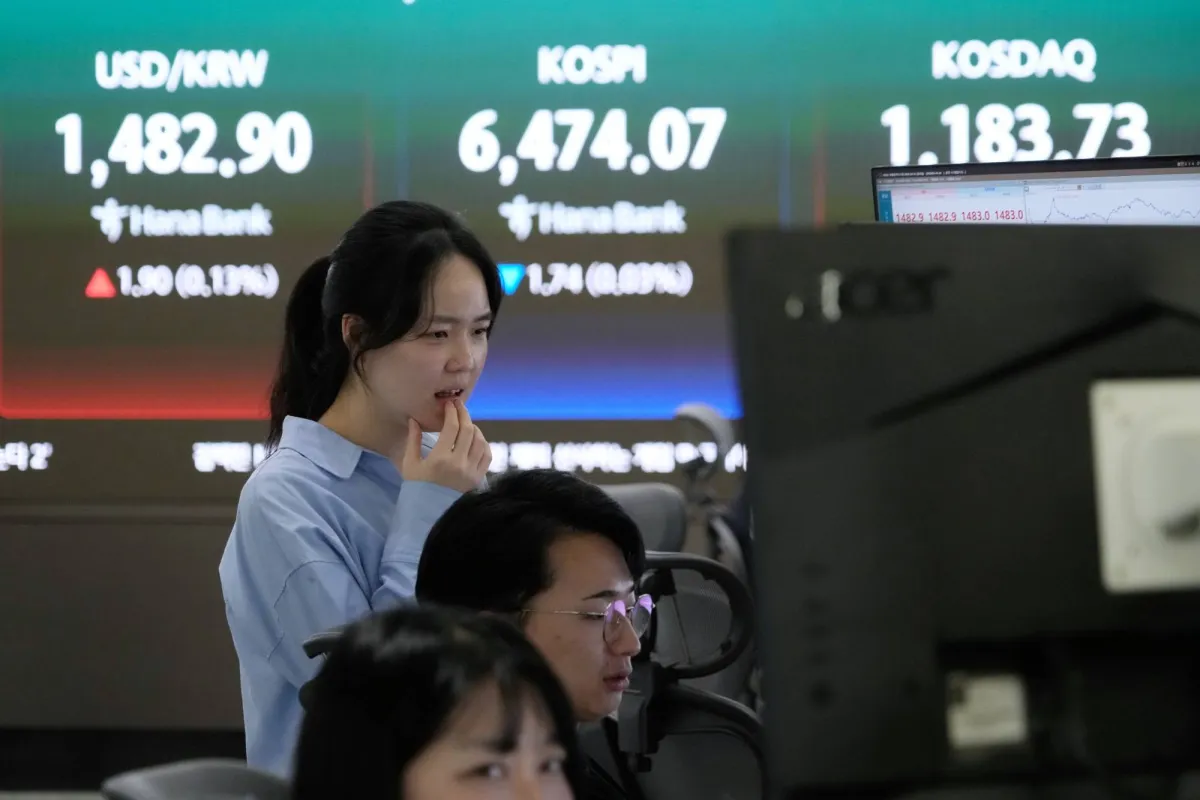
Asian stocks exhibited mixed performance, with some markets showing notable gains while others declined, reflecting the ongoing impasse in negotiations with Iran and escalating geopolitical pressures. Concurrently, oil prices continued their upward trajectory, indicating a climate of uncertainty in global markets.
The Nikkei 225 index in Tokyo recorded a significant increase, soaring by 1.4% to close at a new record level of 60,481.21 points, buoyed by the positive momentum from U.S. stocks at the end of last week. Meanwhile, oil prices rose, with Brent crude increasing by $2 to reach $101.13 per barrel, amid growing obstacles hindering diplomatic negotiations to resolve the conflict with Iran.
Event Details
The White House canceled plans to send envoys to Pakistan to resume talks with Iran, reflecting the stagnation of political efforts. In an interview with Fox News, U.S. President Donald Trump confirmed that talks could occur, but he would not send any envoys, further clouding the future of negotiations.
In Asian markets, the KOSPI index in South Korea rose by 2% to reach 6,606.81 points, while the Hang Seng index in Hong Kong fell by 0.3% to 25,892.48 points. Conversely, the Shanghai Composite index recorded a slight increase of 0.1%, reaching 4,080.65 points.
Background & Context
These developments come at a time when attention is focused on anticipated interest rate decisions from major central banks, including the U.S. Federal Reserve, the European Central Bank, and the Bank of Japan. These decisions could significantly influence monetary policy directions amid rising global tensions.
In the United States, the S&P 500 index closed Friday's session up by 0.8%, while the Dow Jones Industrial Average fell by 0.2%. Surveys indicated a decline in consumer confidence, reflecting ongoing concerns about economic prospects.
Impact & Consequences
These developments directly affect global market movements, as tensions between Washington and Tehran continue to obstruct oil tanker operations through the Strait of Hormuz, threatening crude supplies to global markets. Additionally, the ongoing fragile ceasefire between the two parties heightens uncertainty.
On the corporate front, shares of Intel performed exceptionally well, surpassing their previous peak during the internet bubble in 2000, following a daily surge of 23.6%, reflecting the increasing demand for the company's chips amid the AI wave.
Regional Significance
The Arab region is significantly affected by geopolitical tensions, with oil prices remaining a crucial factor in the stability of producing countries' economies. Furthermore, the ongoing stalled negotiations with Iran could impact regional relations and exacerbate instability.
In conclusion, markets remain under pressure from geopolitical tensions, necessitating close monitoring by investors and analysts regarding market trends in the coming days.