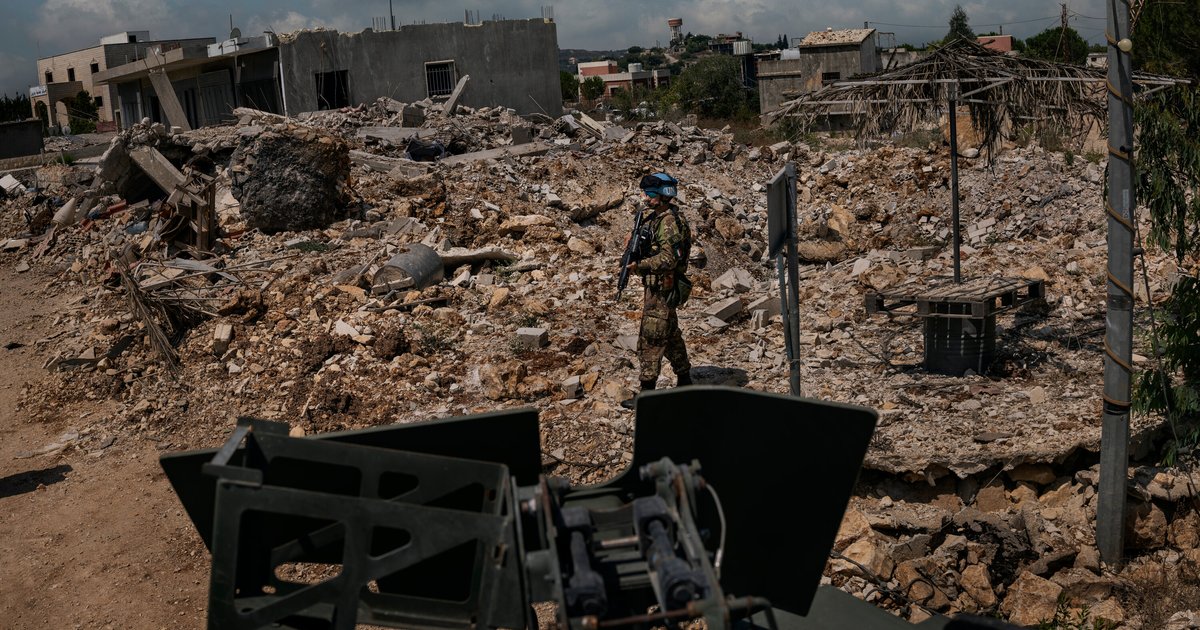
The Associated Press reported that the recent Israeli attack on Lebanese territory is classified as an invasion, raising international and regional concerns about the potential repercussions of this escalation. This attack comes at a time when tensions in the region are increasing, with Hezbollah being one of the key players in the Lebanese arena, complicating the security situation.
The Israeli attack, which occurred in the past few days, targeted Hezbollah positions in southern Lebanon, resulting in casualties and the destruction of facilities. This escalation has provoked angry reactions from the Lebanese government, which considered the attack a violation of its sovereignty.
Details of the Incident
The Israeli attack followed a series of border skirmishes between the two sides, where Israel accused Hezbollah of launching cross-border attacks. Reports indicated that Israeli forces used drones and artillery shells to target the party's positions, leading to heightened tensions in the region.
At the same time, Hezbollah launched rockets at Israeli positions in the Galilee, prompting a military response from the Israeli side. This new dynamic suggests the possibility of greater escalation in the conflict, raising fears of a full-scale war in the region.
Background & Context
Historically, Lebanese-Israeli relations have seen increasing tensions, especially after the 2006 war that resulted in widespread destruction in Lebanon. Since then, Hezbollah has maintained its military capabilities, making it a major force in the Lebanese arena. However, the recent escalation comes at a sensitive time, as the region faces several challenges, including economic and political crises.
The situation in Lebanon is further complicated by internal crises, including economic collapse and popular protests. These conditions make it difficult for the Lebanese government to respond effectively to Israeli attacks, further complicating the situation.
Impact & Consequences
The current escalation could have serious repercussions for regional security. If the Israeli attack continues, it may provoke military responses from Hezbollah, potentially leading to further escalation in the conflict. Additionally, this escalation could affect relations between Lebanon and other Arab countries, especially those seeking stability in the region.
Moreover, the rising tensions may impact international efforts to resolve the Israeli-Palestinian conflict, as major powers could become preoccupied with the Lebanese conflict instead of focusing on the Palestinian issue.
Regional Significance
Given the current circumstances, the escalation in Lebanon could have negative effects on neighboring Arab countries. The crises in Lebanon may lead to a flow of refugees into neighboring countries, increasing pressure on these nations, especially amid their own economic crises.
Furthermore, the military escalation could revive old conflicts in the region, increasing instability. Under these circumstances, Arab countries must work to enhance cooperation among themselves to face common challenges.
The Israeli escalation in Lebanon is considered a turning point in relations between the two sides, and the international community must intervene urgently to prevent worsening conditions. The situation in Lebanon requires special attention, as any escalation could lead to serious repercussions for regional security.