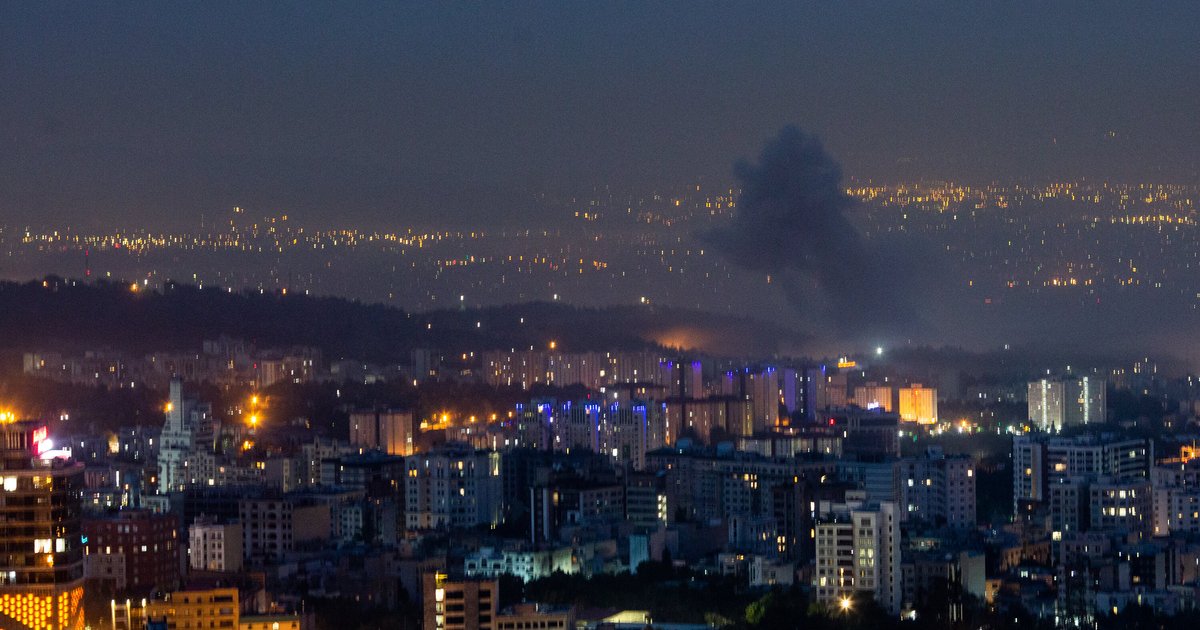
Iran is experiencing substantial damage to its infrastructure following a series of attacks targeting bridges and railways, raising questions about the potential economic losses. Reports indicate that these attacks could lead to a deterioration of the economic situation in a country already suffering from international sanctions and internal pressures.
The transportation infrastructure is a critical component supporting the Iranian economy, playing a vital role in facilitating the movement of goods and people. With the destruction of these facilities, Iran may face difficulties in importing and exporting goods, negatively impacting both domestic and foreign trade.
Details of the Attacks
Recently, Iran has been subjected to several attacks that resulted in the destruction of numerous vital bridges and railways. These assaults come amid escalating regional tensions, as competing powers strive to achieve their strategic objectives. Aerial images have revealed the extent of the devastation inflicted on these facilities, raising concerns about the government's capacity for reconstruction in the near future.
Reports predict that the economic losses resulting from these attacks could reach billions of dollars, which may increase the pressures on an Iranian economy already in recession. Furthermore, the destruction of infrastructure will lead to higher transportation costs, affecting the prices of goods and services in the local market.
Background & Context
Historically, Iran has faced numerous economic crises due to international sanctions and regional conflicts. These crises have led to a decline in living standards and rising unemployment rates. With increasing external pressures, the Iranian government is confronted with significant challenges in maintaining the stability of the national economy.
The internal political situation also reflects a state of instability, complicating the government's efforts to address economic crises. Under these circumstances, the destruction of infrastructure represents a severe blow to the Iranian economy, which requires substantial investments for rebuilding and development.
Impact & Consequences
These losses are expected to exacerbate the economic and social conditions in Iran. Poverty and unemployment rates may rise, leading to widespread public protests. Additionally, the deteriorating economic situation could affect the government's ability to provide essential services to citizens, increasing overall public discontent.
Moreover, these events may impact Iran's relations with other countries, as Iran will become more reliant on external support for rebuilding its infrastructure. This dependency could weaken its position in international negotiations, further complicating the political and economic situation.
Regional Significance
Iran is a key player in the region, and any deterioration in its economic situation could affect the balance of power in the Middle East. Some countries may exploit these conditions to achieve their strategic interests, while others may experience negative repercussions due to increased regional tensions.
The deteriorating economic situation in Iran could also lead to increased emigration from the country, creating new challenges for neighboring states. Under these circumstances, it becomes essential for Arab countries to collaborate in addressing the economic and security challenges arising from the crises in the region.
In conclusion, the economic losses resulting from the destruction of infrastructure in Iran represent a complex issue that requires careful analysis and a deep understanding of the potential implications at both local and regional levels.