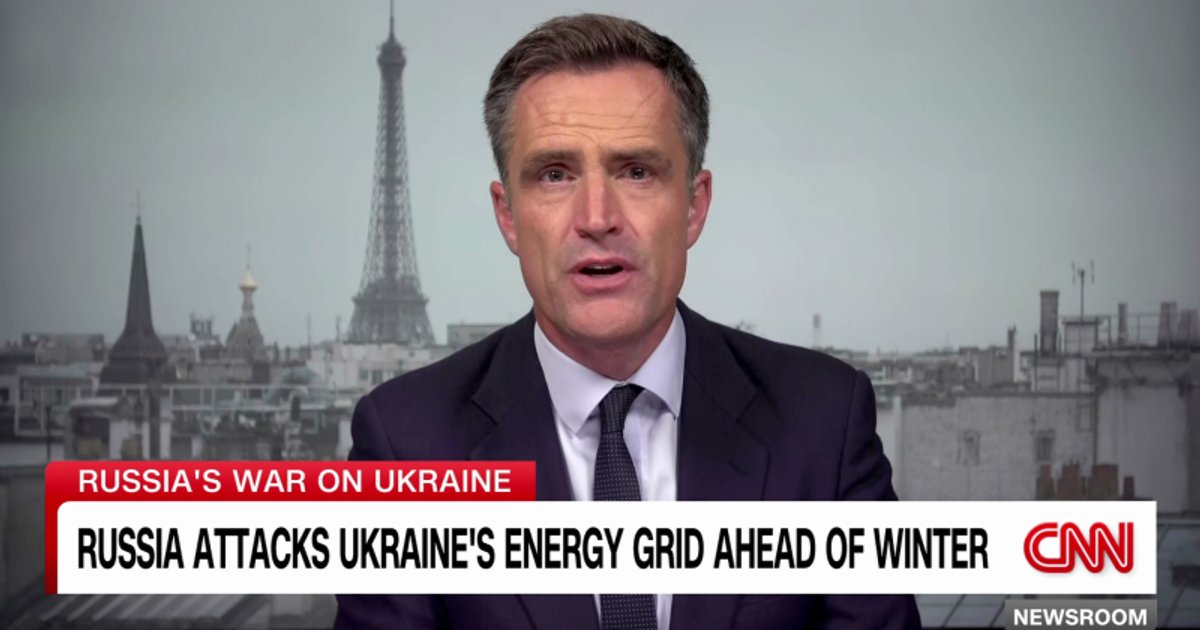
The geopolitical landscape is undergoing significant changes due to the Ukraine war, presenting opportunities for some nations to reposition themselves. These dynamics allow new players to achieve unexpected gains in the global energy market.
Transformations in the energy market are accelerating, altering the maps of profit and loss far from direct battlefields. In this context, Russia emerges as a key player in this equation, seeking to leverage the current situation to enhance its position in the global market.
Event Details
Attention is focused on how the conflict in Ukraine is affecting energy markets, as European countries face increased pressure to seek alternatives to Russian gas. At the same time, Russia is striving to expand its partnerships with other nations such as China and India, reflecting its strategy to counter Western sanctions.
Reports indicate that Russia has achieved a notable increase in its energy export revenues despite the imposed sanctions. This raises questions about the sustainability of these gains amid ongoing changes in the global market.
Background & Context
Historically, Russia has heavily relied on energy revenues as one of its main sources of income. With rising geopolitical tensions, it has become essential for Russia to reassess its strategies. The war in Ukraine has demonstrated how conflicts can reshape economic relations between countries.
In recent years, we have witnessed a shift in the balance of power in energy markets, where countries previously uninvolved in conflicts are playing significant roles in resource redistribution. This trend reflects profound changes in the global system.
Impact & Consequences
The repercussions of the war in Ukraine extend beyond its geographical boundaries, affecting global energy prices and reshaping economic alliances. Countries that relied on Russian gas are facing significant challenges in securing their energy needs, opening up new opportunities for other exporting nations.
Forecasts suggest that these dynamics may lead to long-term changes in how energy is distributed worldwide. Additionally, countries that can quickly adapt their policies to these changes may achieve substantial gains.
Regional Significance
For Arab nations, these transformations may present opportunities to enhance their roles in the global energy market. Countries like Qatar and Iraq could benefit from the increased demand for natural gas, potentially boosting their economic standing.
However, these nations must be cautious in navigating the rapid changes in the market and prepare to face potential challenges arising from increased competition.
The war in Ukraine is not merely a military conflict; it represents a profound shift in the global energy system. Despite sanctions, Russia is striving to bolster its position, while opportunities arise for other nations to reposition themselves. Understanding these dynamics will be key to determining the future of energy worldwide.