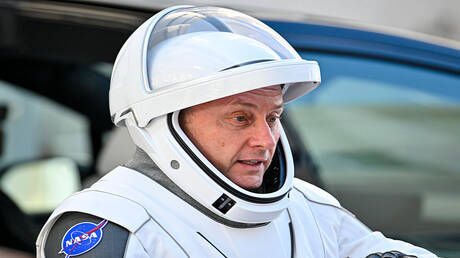
NASA astronaut Mike Fincke has announced a mysterious health condition he experienced during his mission on the International Space Station (ISS) last January. Fincke suddenly lost his ability to speak, prompting an unprecedented evacuation back to Earth, marking a first in the history of space travel.
This health condition has raised significant concerns, as doctors have not yet been able to pinpoint the exact reason behind Fincke's loss of speech. Fincke indicated that the medical team aboard the ISS conducted necessary examinations, but the results were insufficient to explain his condition.
Details of the Incident
The loss of speech is a rare and unusual symptom among astronauts, making this case warrant special attention from scientists and researchers. Fincke was evacuated to Earth after his health condition was assessed, and he is currently in the recovery phase. He confirmed that his health is improving, but he still feels anxious about what happened.
This incident is unprecedented in space history, as no astronaut has previously lost their ability to speak while in space. This situation has raised questions about the potential health risks astronauts may face during long missions in space.
Background & Context
Historically, space missions have encountered numerous health challenges, ranging from the effects of zero gravity on the body to psychological issues resulting from isolation. However, the loss of speech is an uncommon case, necessitating further research and study to understand the potential causes.
It is noteworthy that NASA has conducted multiple studies on the effects of space on astronauts' health, including the impact of radiation and the closed environment. Nevertheless, Fincke's case highlights the need for more research to understand potential health risks.
Impact & Consequences
Fincke's condition may affect NASA's future plans regarding sending astronauts into space for extended periods, especially with the focus on missions to Mars. If such cases continue to arise, it may require a reevaluation of the health protocols currently in place.
This incident may also increase awareness about the health risks astronauts might face, potentially spurring more research and studies in this field. It is crucial for space agencies to respond quickly and effectively to ensure astronaut safety.
Regional Significance
This incident is significant not only for the United States but also for Arab countries seeking to develop their own space programs. Understanding the health risks associated with space can aid Arab nations in planning their future space projects.
Moreover, this incident may inspire Arab youth to take an interest in space and science, potentially leading to increased investments in this sector. Developing robust space programs requires a deep understanding of the challenges astronauts may face, which can benefit scientists and researchers in the Arab world.
In conclusion, Mike Fincke's case remains a focal point of interest, opening doors for further research and studies to understand health risks in space. Ensuring the health of astronauts is vital for the success of future missions.