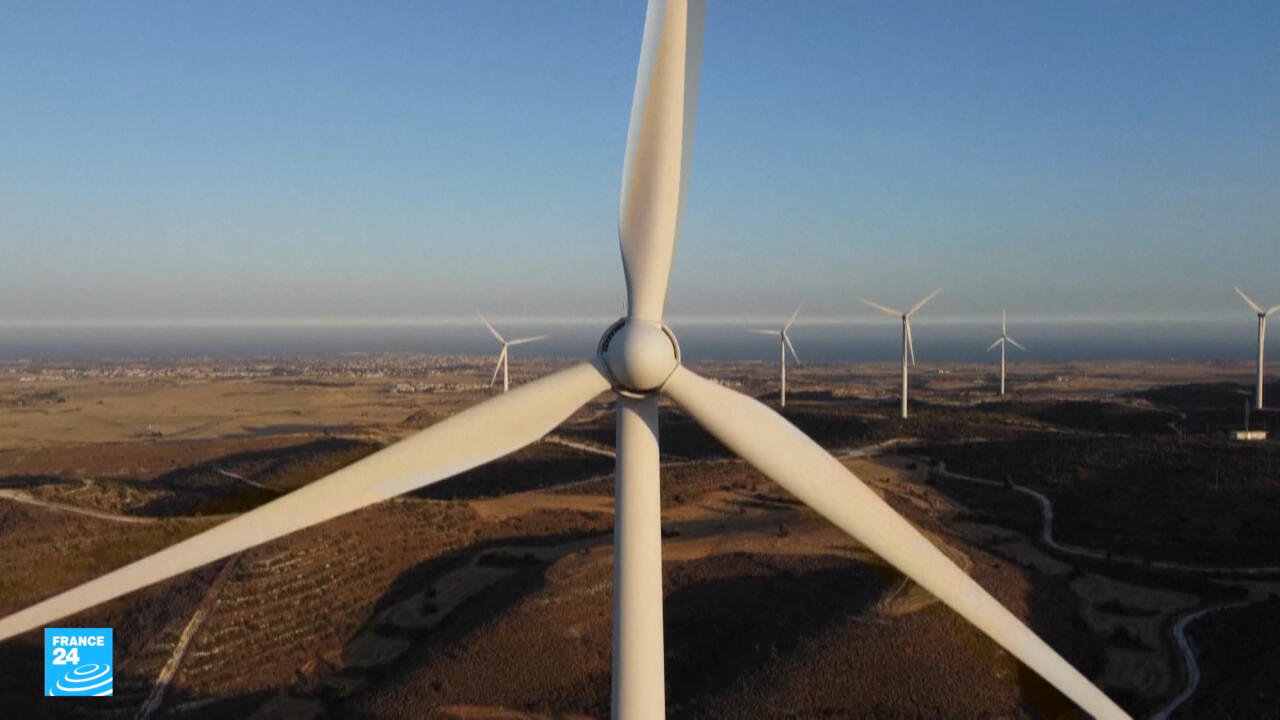
Renewable energy, especially wind energy, is experiencing notable growth worldwide, increasingly contributing to electricity production. This growth is attributed to decreasing costs, making it an attractive option for many countries. However, the question arises: can wind energy be a suitable choice for Arab nations characterized by abundant sunlight?
Many countries are striving to reduce carbon emissions and achieve sustainable development goals, enhancing the importance of exploring renewable energy sources. In this context, wind energy is one of the available options, but is it truly completely clean?
Event Details
The proportion of electricity generated from wind energy is rising globally, with reports indicating a significant increase in recent years. This is due to technological advancements that have helped lower the costs of establishing and maintaining wind farms. Nevertheless, the challenges facing this energy source, such as its impact on the environment and wildlife, must be considered.
Wind energy is a renewable source, but it is not entirely free of drawbacks. The manufacturing process of turbines and the use of necessary materials can lead to carbon emissions, raising questions about its cleanliness compared to other energy sources.
Background & Context
Historically, Arab countries have heavily relied on fossil fuels to meet their energy needs. As environmental awareness has increased, some nations have begun exploring renewable energy sources, including solar and wind energy. However, the question remains: can wind energy compete with solar energy in these countries?
Arab nations possess immense solar resources, making solar energy a more attractive option. However, integrating wind energy into the energy mix may provide additional benefits, especially in areas experiencing fluctuations in solar radiation.
Impact & Consequences
If Arab countries can effectively harness wind energy, it could help reduce dependence on fossil fuels, positively impacting both the environment and the economy. Additionally, developing wind energy projects could create new job opportunities and foster innovation in the energy sector.
However, challenges persist, as developing wind energy projects requires significant investments and careful planning to ensure their success. Furthermore, the environmental and social impacts of renewable energy projects must be taken into account.
Regional Significance
Enhancing the use of wind energy in Arab nations could improve energy security and reduce costs associated with fuel imports. Moreover, leveraging renewable energy sources could elevate the standing of Arab countries in the global energy market.
In conclusion, the question remains open regarding the ability of wind energy to compete with solar energy in the Arab region. As innovation and technological advancements continue, we may find that a renewable energy mix is the optimal solution for the future of energy in the Arab world.