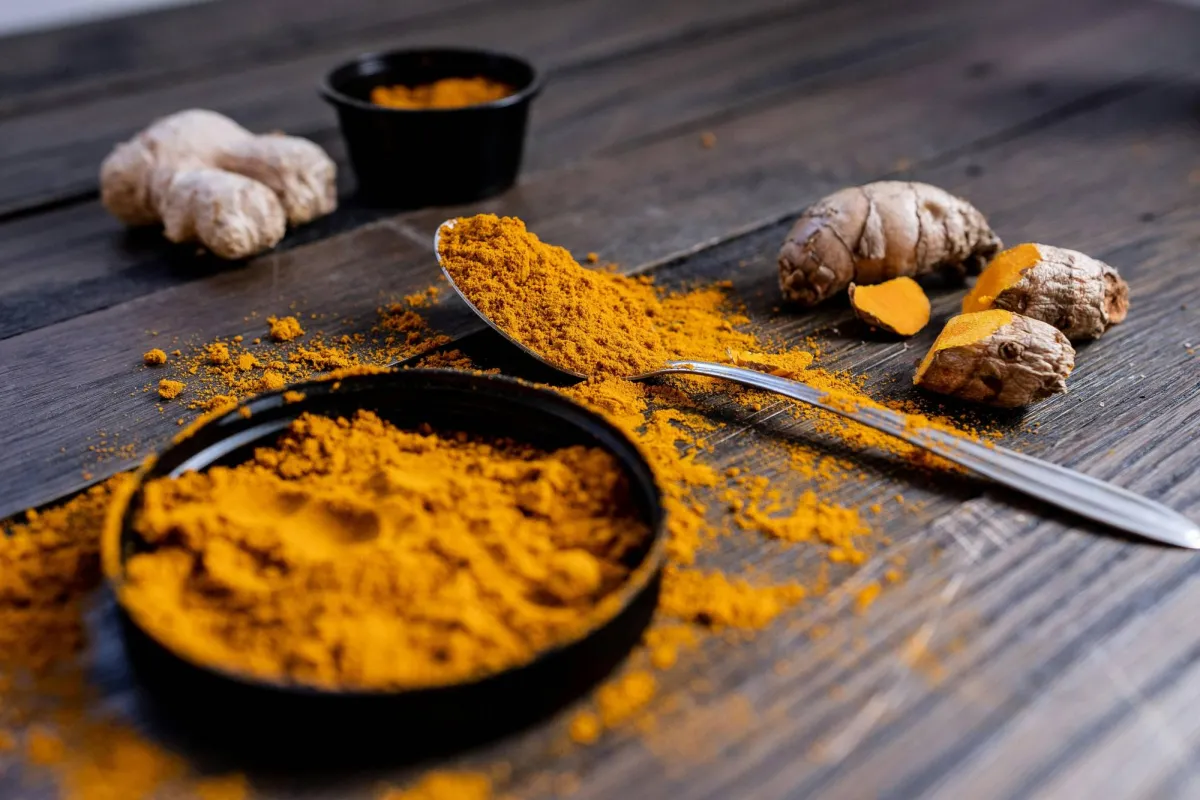
Turmeric is a renowned natural spice, characterized by its bright yellow color, and is widely used in cooking and traditional medicine, particularly in ancient Indian practices. It contains biologically active compounds known for their anti-inflammatory, antibacterial, and antifungal properties, making it a focal point of numerous recent studies related to wound healing.
Despite the common belief that turmeric powder can be applied directly to open wounds to stop bleeding, this practice is not scientifically supported and is medically discouraged, according to Verywell Health. Research indicates that turmeric may play a different role when used in manufactured medical formulations such as creams and ointments, where it may contribute to supporting the healing process and accelerating skin recovery.
Event Details
The use of turmeric in medicine dates back over 5,000 years, where it was utilized in traditional Indian medicine to treat a wide range of health conditions. The compound curcumin is the most prominent active ingredient in turmeric, responsible for most of its therapeutic properties, including its anti-inflammatory and antimicrobial effects. Although research is still in its early stages, there are scientific indications supporting its role in enhancing wound healing.
In laboratory studies, topical curcumin has shown properties that may stimulate the coagulation process, meaning it could help blood cells aggregate and close wounds more quickly. Animal studies have demonstrated that topical formulations containing curcumin can significantly accelerate the healing process. In humans, a review of 19 clinical trials found that the use of curcumin formulations contributed to improved wound healing duration and symptom relief in approximately 89% of cases.
Background & Context
However, it is important to note that these results do not pertain to raw turmeric itself, but rather to curcumin extract prepared in regulated medical products, which differ in effectiveness and absorption. Regarding the use of turmeric powder directly on wounds, scientific evidence of its effectiveness in stopping bleeding remains unclear. Studies suggest that curcumin is more effective when processed and extracted within pharmaceutical formulations, rather than when used raw.
Curcumin is believed to support wound healing through several biological mechanisms, primarily by reducing inflammation. Curcumin possesses anti-inflammatory properties that help decrease swelling and regulate the immune response at the injury site, thereby accelerating the early stages of wound healing.
Impact & Consequences
Additionally, the antioxidants in curcumin neutralize free radicals, harmful compounds produced during metabolic processes. When their levels rise, they can cause oxidative stress that slows tissue regeneration; thus, reducing them supports the healing process. Infection is one of the main factors that delay wound healing, and curcumin is believed to have antibacterial properties that may help reduce the risk of infection, thereby supporting faster recovery.
Moreover, some studies indicate that curcumin may contribute to enhancing collagen production, which aids in repairing damaged tissues and rebuilding skin. In the case of an open wound, the most important step is to clean it thoroughly and apply direct pressure to stop bleeding and reduce the risk of infection. Using raw turmeric is not considered a safe or effective method for stopping bleeding; in fact, it may increase the likelihood of contamination if used improperly.
Regional Significance
Given the lack of approved medical guidelines for using turmeric in first aid, it is always advisable to consult a physician before using it for this purpose. Medical assistance should be sought immediately if wounds are large or chronic to ensure appropriate treatment and avoid complications. Ultimately, turmeric is considered a beneficial nutritional element, but its use should be well-considered and based on scientific foundations.