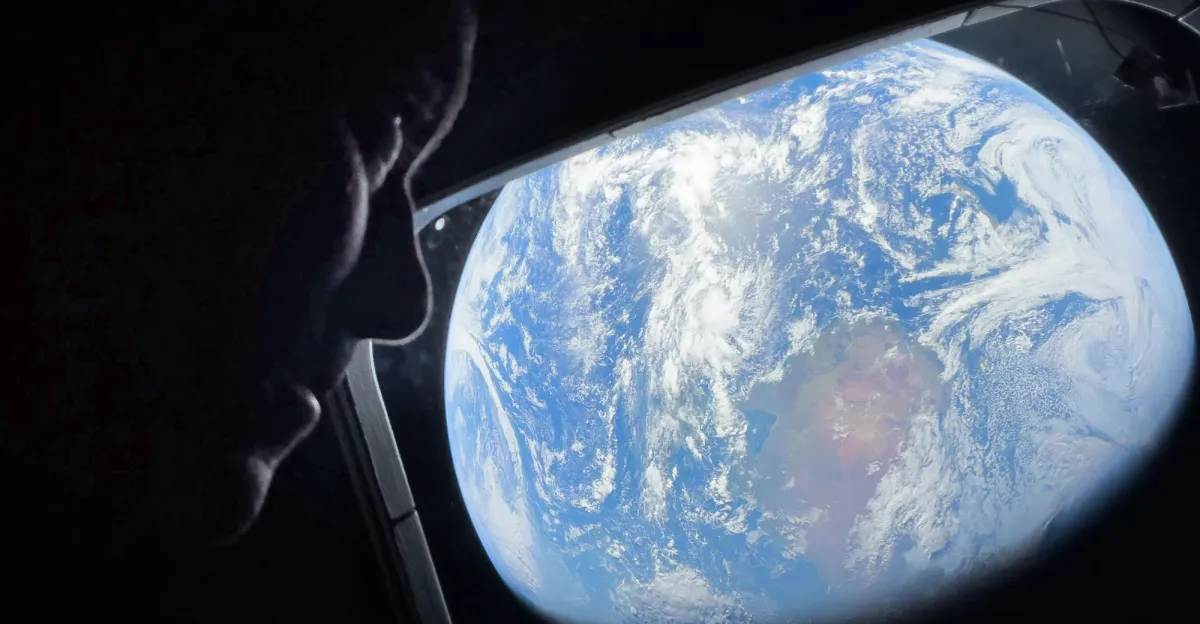
In a historic achievement, astronauts on the Artemis 2 mission are expected to break the record for the distance traveled by humans from Earth, reaching 252,757 miles during their journey around the far side of the Moon. This event will take place today, 56 years after the previous record was set during Apollo 13, which traveled 248,655 miles.
NASA's coverage of the lunar flight will begin at 1:00 PM EST, with astronauts expected to officially record the new distance record at 1:56 PM. The journey around the far side of the Moon will take approximately six hours, and will include views of the lunar surface that humans have never seen before, along with surveys to identify potential landing sites for future missions.
Event Details
Astronauts will experience a communication blackout with Earth for 40 minutes, starting at 6:44 PM as they pass behind the Moon, with communications resuming at 7:25 PM when Earth comes back into view. Today's mission plan includes significant events, such as the use of Orion's advanced optical communication system, which relies on lasers to transmit scientific and crew data back to Earth.
Additionally, traditional radio-based systems will still be in use, including the Near Space Network, which relies on global ground stations, and the Deep Space Network operated by the Jet Propulsion Laboratory, which will reestablish contact with the Orion spacecraft after it emerges from behind the Moon.
Background & Context
The Artemis 2 mission is part of NASA's Artemis program, which aims to return humans to the Moon by 2025. This program is part of broader efforts to explore deeper space, including Mars. Historically, Apollo 13, launched in 1970, is one of the most famous missions in space history, facing significant challenges but successfully returning to Earth safely.
Through Artemis 2, NASA aims to achieve new milestones in space exploration and enhance international cooperation in this field, involving partnerships with other space agencies, reflecting the importance of collaboration in achieving space exploration goals.
Impact & Consequences
This achievement is a significant step towards enhancing humanity's capabilities in space exploration, opening new horizons for understanding the Moon and outer space. This mission will also help develop new technologies that could be used in future missions to Mars and other planets.
These accomplishments contribute to national pride and foster a spirit of innovation in the fields of science and technology, inspiring new generations to pursue careers in space and engineering.
Regional Significance
Space achievements are important not only for the United States but for the entire world, including Arab countries. Arab nations can benefit from these developments by enhancing their own space programs, such as the UAE's space exploration program, which seeks to achieve similar milestones.
Furthermore, international cooperation in space can open new avenues for Arab countries, enhancing their standing on the global stage and increasing investment opportunities in technology and innovation.