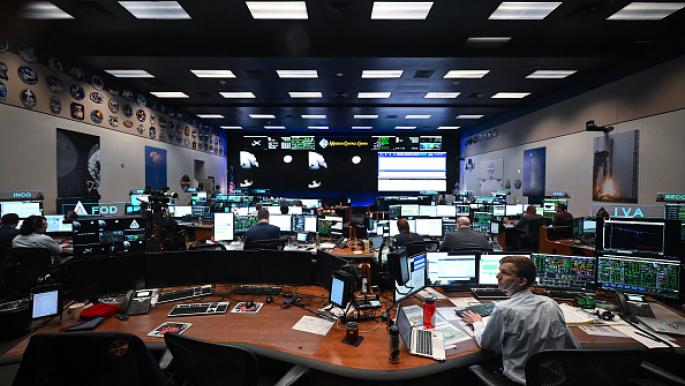
The astronauts of the Artemis 2 mission have completed their lunar flyby and are now heading back to Earth, bringing valuable astronomical observations after a day filled with record-breaking achievements. This mission is part of the American space program aimed at exploring the Moon and Mars, and it has achieved unprecedented milestones in the history of space travel.
The mission, which launched from the Kennedy Space Center, involved several days of flying around the Moon, during which important scientific data related to the Moon's gravity and composition was collected. The astronauts, representing a diverse range of backgrounds, expressed their excitement during the journey, emphasizing the importance of this experience in enhancing human understanding of space.
Event Details
During their flyby, the astronauts were able to conduct multiple scientific experiments, including measuring the effects of lunar gravity on various materials. They also recorded touching moments, capturing stunning images of the Moon from new angles, allowing them to see its surface up close.
The records achieved during this mission include the longest duration of lunar flyby and the largest number of scientific experiments conducted in a single journey. These accomplishments reflect the significant progress made by the American space program in recent years.
Background & Context
The Artemis program is part of a larger vision by NASA for space exploration, aiming to return humans to the Moon by 2024. This mission comes as part of ongoing efforts to enhance human exploration of space and develop new technologies that will contribute to reaching Mars in the future.
The history of lunar exploration dates back to the 1960s when the United States sent the first human to the Moon through the Apollo 11 mission. Since then, space programs have seen significant developments, leading to improvements in the technology used in space travel.
Impact & Consequences
The success of the Artemis 2 mission opens new horizons for scientific research, as the data collected could improve our understanding of the universe. Additionally, this mission enhances international cooperation in space, contributing to the development of new partnerships among countries.
Advancements in space exploration have direct impacts on the technology used in our daily lives, as innovations resulting from this research could lead to improvements in various fields, including communications and navigation.
Regional Significance
Although the Artemis 2 mission is related to the United States, it has wide-ranging impacts on the Arab region. Arab countries are witnessing an increasing interest in space fields, with many nations striving to develop their own programs in this area.
Investment in space sciences can contribute to enhancing education and scientific research in Arab countries, leading to the development of new skills and stimulating innovation. Furthermore, collaboration with global space agencies can open new avenues for economic development.
The success of the Artemis 2 mission represents an important step towards space exploration and reflects humanity's commitment to expanding the horizons of knowledge. As progress continues in this field, we can expect more discoveries that will change our understanding of the universe.