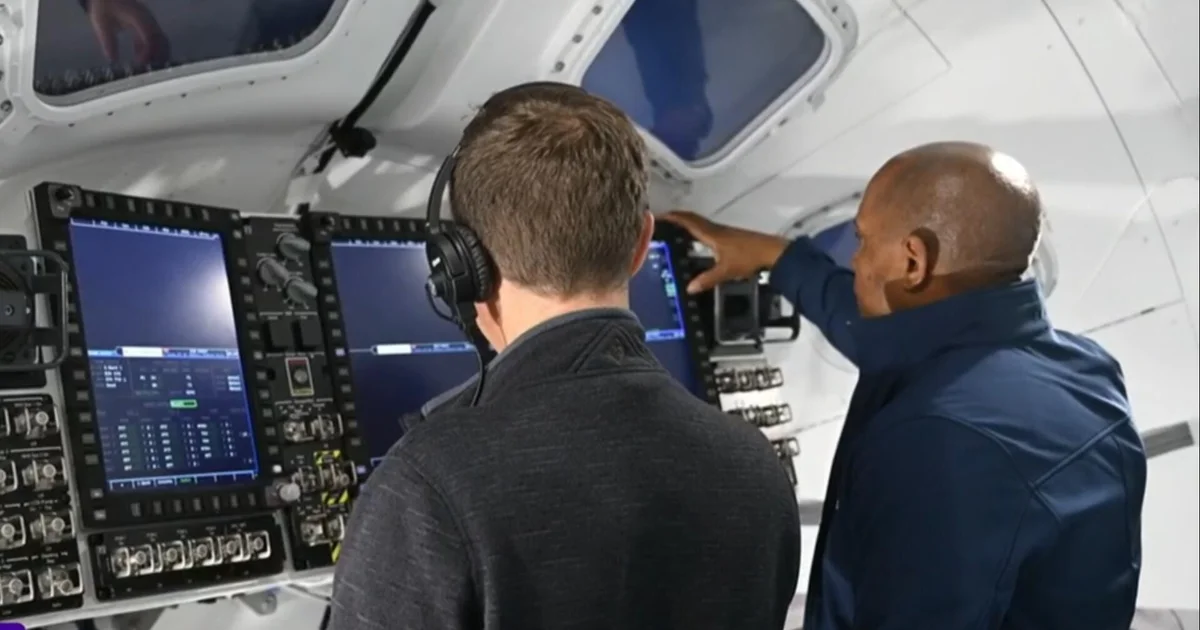
In a historic event, astronauts on the Artemis mission are preparing to pass behind the moon, leading to a communication blackout with Earth for up to 40 minutes. During this time, the crew will find themselves in complete isolation, as radio and laser signals connecting them to the control center in Houston, Texas, will cease.
This blackout presents a unique opportunity for the astronauts to contemplate the vastness of space, forcing them to confront their own feelings and thoughts away from any communication with Earth. Pilot Victor Glover expressed hope that people would use these moments for prayer and positive reflection for their safety.
Details of the Event
The communication blackout is scheduled to occur at 23:47 GMT, when the astronauts will disappear from ground monitoring radars. This interruption is not unprecedented; astronauts in the Apollo program also experienced similar moments of isolation, with Michael Collins enduring a communication blackout for 48 minutes during Apollo 11.
Collins described his feelings of solitude in his memoirs, noting that he did not feel fear but found comfort in the silence away from the constant demands of mission control. This experience reflects the psychological challenges faced by astronauts during their journeys.
Background & Context
The history of space exploration is filled with moments of communication blackout, highlighting the importance of developing new technologies to ensure continuous communication. As technology advances, space agencies like NASA and the European Space Agency are working to establish a network of satellites around the moon to provide continuous communication coverage.
The Moonlight project by the European Space Agency is a step towards achieving this goal, aiming to create a network of satellites to ensure constant communication with any future missions to the moon.
Impact & Consequences
The communication blackout represents a significant challenge, but it also presents an opportunity to develop new technologies in the field of space communications. Improving communication with astronauts will be essential in the future, especially with plans to build a base on the moon.
Experts assert that having continuous communications will enhance safety and efficiency in space missions, opening new horizons for space exploration.
Regional Significance
Arab nations are also striving to enhance their capabilities in space, having launched several space projects in recent years. The success of the Artemis mission could inspire Arab countries to invest more in this field, thereby enhancing their standing on the global stage.
Ultimately, the communication blackout represents a unique moment, as astronauts will enjoy a close-up view of the moon, allowing them to document their observations and share them with the world once communication is restored.