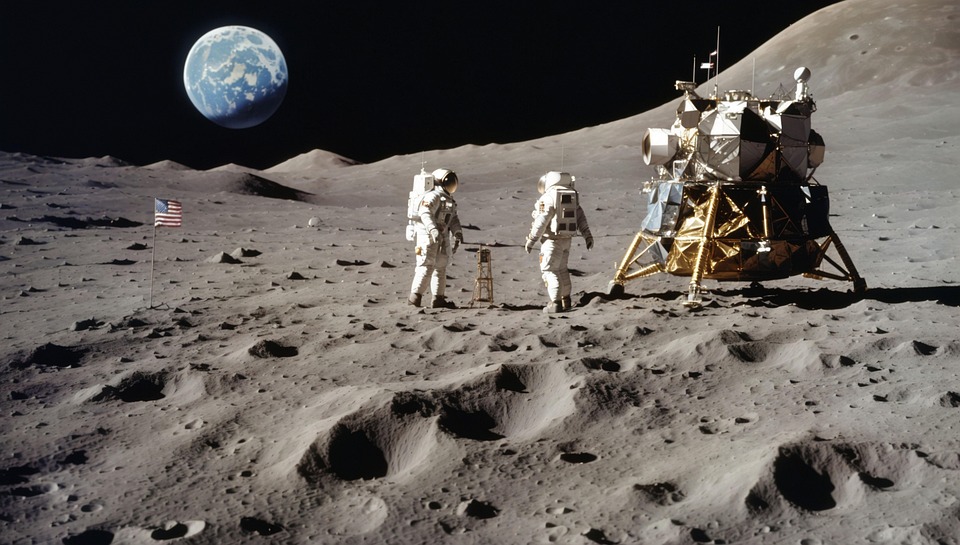
For the first time in half a century, astronauts embarking on a historic mission to the moon have sent back new images of Earth, representing humanity's return to the lunar surface. These images, captured from space, reflect the beauty of our blue planet and highlight the importance of space exploration.
This mission is part of an ambitious space program aimed at enhancing scientific research and developing new technologies in the field of space. The astronauts, representing a diverse array of nations, are striving for a deeper exploration of the moon, which may open new horizons for understanding the history of the solar system.
Event Details
The images sent back showcase Earth from a unique perspective, revealing stunning details of continents and oceans. These historic moments evoke memories of previous lunar missions, such as the Apollo program, which witnessed the first human landing on the moon in 1969.
This mission is considered part of global efforts to explore space, with major countries competing to achieve new milestones in this field. The astronauts, trained to the highest standards, face significant challenges related to the harsh environment of space.
Background & Context
Over the past decades, space programs have evolved significantly, transitioning from mere exploration to achieving scientific and commercial objectives. The return of humans to the moon represents a crucial step in this direction, as scientists seek to understand more about the moon's composition and its impact on Earth.
Historically, space missions have posed considerable challenges; however, technological advancements and scientific research have contributed to making these missions safer and more effective. This journey is expected to enhance international cooperation in the field of space.
Impact & Consequences
This mission is a landmark in the history of space exploration, potentially opening doors for more missions to the moon and other planets. It also underscores the importance of scientific research in understanding the universe around us.
Economically, these projects could lead to the development of new technologies that benefit humanity, such as improving communications and technologies used in daily life. Additionally, they may create new job opportunities in the fields of space and technology.
Regional Significance
These developments in space exploration present an opportunity for Arab countries to enhance their participation in space exploration. Many Arab nations have already begun developing their own space programs, reflecting a growing interest in this field.
These new missions can inspire future generations of Arab scientists and engineers, strengthening their role in achieving scientific and technological advancements in the future. Furthermore, international cooperation in space may open new avenues for collaboration between Arab nations and others.
In conclusion, the return of humans to the moon and the sending of new images of Earth represent a significant step towards a bright future in space exploration. These historic moments rekindle hope for achieving new milestones and open doors for future scientific research.