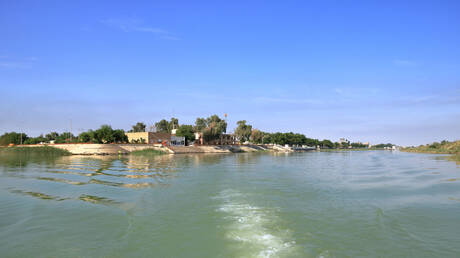
A recent study has unveiled the complex pathways of the Euphrates River, long a subject of intrigue for scientists. While some suggested it flowed into the Mediterranean Sea, others proposed its direction towards the Gulf. This study opens new horizons for understanding the history of this vital river, which is considered one of the most important rivers in the region.
Historically, the Euphrates River has been a focal point for ancient civilizations, with many cultures such as the Sumerians and Babylonians emerging along its banks. However, understanding how this river formed and how its pathways changed over time has remained a puzzling mystery for scientists. The latest study highlights that the Euphrates did not have a fixed course but underwent significant changes in its flow throughout the ages.
Event Details
The study is based on an analysis of recent geological data, where researchers employed advanced techniques to map the river's history. The results indicated that at certain periods, the river flowed towards the Mediterranean Sea, while at other times it directed towards the Arabian Gulf. This shift in course reflects the climatic and geological changes that the region has experienced over the ages.
The study also revealed that natural factors such as earthquakes and changes in sea level played a significant role in shaping the river's course. These findings enhance scientific understanding of how environmental factors impact major rivers.
Background & Context
The Euphrates River is one of the longest rivers in the world, extending over 2,800 kilometers. It originates in Turkey and flows through Syria and Iraq before emptying into the Arabian Gulf. Historically, the river has been a primary source of freshwater and agriculture in the region, making it a focal point for ancient civilizations.
Over the centuries, the Euphrates has witnessed changes in climate and environment, affecting its communities. This study comes at a critical time as the region faces increasing environmental challenges, making the understanding of the river's history more important than ever.
Impact & Consequences
This study opens new avenues for understanding how climatic changes affect rivers and water resources. In light of current environmental challenges, such as drought and climate change, understanding the history of the Euphrates could aid in better water resource management.
The results may also influence water-related policies in the region, as they could assist governments in making informed decisions regarding water management and agriculture. This is essential for ensuring the sustainability of water resources in the future.
Regional Significance
The findings of this study are significant for Arab countries that rely on the Euphrates as a primary source of water. Iraq, Syria, and Turkey all depend on this river for agriculture and freshwater supply. Understanding the river's history can help these countries collaborate more effectively in managing water resources.
In conclusion, this study underscores the importance of scientific research in understanding the natural history of rivers and their impact on communities. The Euphrates is not merely a waterway; it is part of the region's history and culture, and understanding it can contribute to enhancing cooperation among nations.