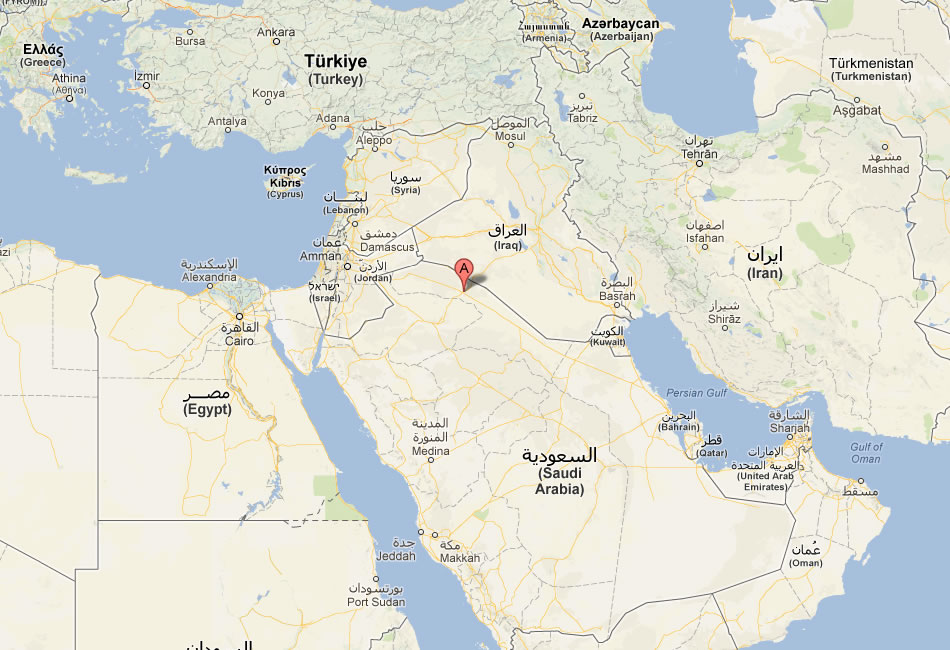
Astronomers have successfully detected seven sunspots in the sky over Arar, indicating increased solar activity. This phenomenon has sparked interest among researchers and opens new avenues for studying solar phenomena.
Sunspots are dark areas on the surface of the sun where the temperature is lower than the surrounding regions. These spots form due to changes in the sun's magnetic field and appear intermittently during the solar activity cycle, which lasts about 11 years.
Details of the Observation
The detection of these sunspots was achieved using advanced telescopes, which provided detailed images showing their size and shape. The sunspots observed in Arar are among the most prominent currently, indicating a rise in solar activity.
This observation comes at a time when scientists are increasingly interested in studying the sun's impact on Earth's climate. With rising solar activity, Earth may experience more solar storms, which could affect communication and energy systems.
Background & Context
Historically, sunspots have been a subject of study for centuries, first noted by early astronomers. In modern times, studies related to the sun have become more complex, utilizing advanced technology to understand its effects on Earth.
These phenomena are part of the solar activity cycle, which influences climate and weather on our planet. Scientists closely monitor these phenomena to understand how they affect daily life.
Impact & Consequences
Studies confirm that solar activity can impact communication systems and satellites. Solar storms resulting from increased activity can cause disruptions in internet and communication services, raising concerns among governments and businesses.
There are also potential impacts on climate, as changes in solar activity can lead to shifts in global temperatures. These changes may affect agriculture and water resources in many regions.
Regional Significance
In the Arab region, these phenomena are of particular importance, as they can affect the growing solar energy systems in Arab countries. With increasing reliance on solar energy, understanding the sun's effects on these systems becomes essential.
Moreover, the rise in solar activity may influence the climate in the region, necessitating Arab countries to take measures to adapt to these changes.
In conclusion, the detection of sunspots in Arar highlights the importance of scientific research in understanding natural phenomena. As technology continues to evolve, we can hope for further discoveries that enhance our knowledge of the sun and its impacts on our planet.