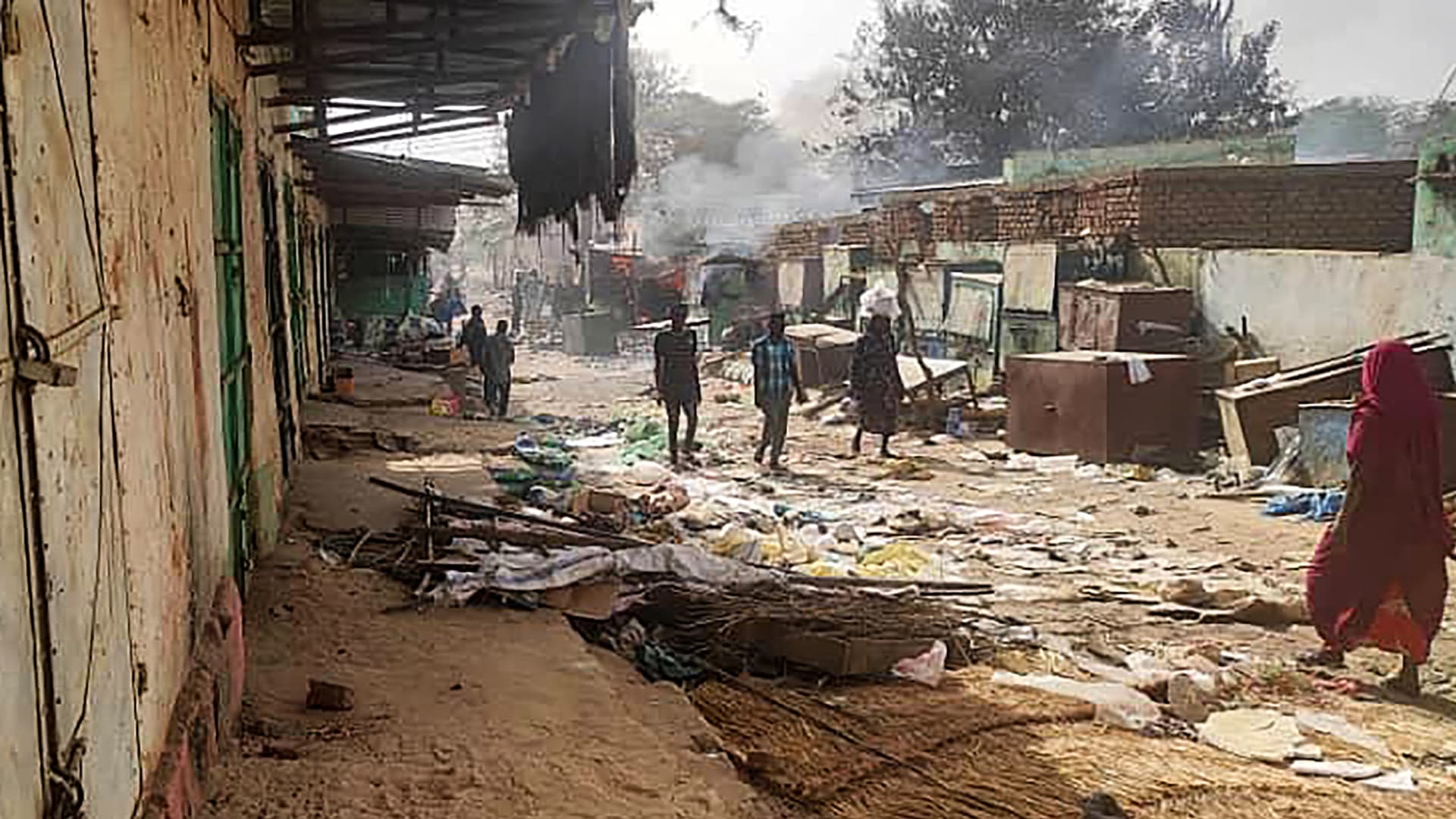
Separate attacks by the Rapid Support Forces in the states of North Darfur and North Kordofan have resulted in the deaths of 20 civilians and injuries to others, amidst growing condemnation from the Sudan Doctors Network. The network reported that 16 unarmed civilians, including three women, were killed in the city of El Fasher, in an incident described as reflecting the escalating violence and targeting of civilians in the country.
These events come at a time when Sudan is facing a worsening humanitarian crisis, as civilians suffer from the repercussions of the ongoing conflict between the armed forces and the Rapid Support Forces. Reports have confirmed that the recent attacks are part of a series of assaults targeting civilians, which exacerbates tensions in the region.
Details of the Incident
In the city of El Fasher, the capital of North Darfur, the area witnessed a violent attack that resulted in the deaths of 16 civilians, sparking a wave of anger and condemnation among the residents. Injuries among civilians were also reported, indicating a deterioration of security conditions in the area. In North Kordofan, reports indicated the deaths of four other civilians in scattered attacks, raising concerns about the safety of citizens in conflict zones.
It is noteworthy that the Rapid Support Forces, originally formed to combat rebellion, have been accused of committing serious human rights violations, including targeting civilians. Local and international human rights organizations have condemned these violations, calling for independent investigations to hold those responsible accountable.
Background & Context
Historically, Sudan has witnessed multiple conflicts, the most notable being the conflict in Darfur that began in 2003. This conflict has led to the deaths of hundreds of thousands and the displacement of millions. As tensions escalate between the armed forces and the Rapid Support Forces, the humanitarian situation has worsened, with many residents suffering from severe food and healthcare shortages.
Additionally, the political situation in Sudan is marked by instability, as various factions vie for power following the ousting of former president Omar al-Bashir in 2019. This political struggle significantly reflects the armed conflicts occurring in the country, complicating the humanitarian situation further.
Impact & Consequences
The repercussions of these attacks extend beyond the directly affected areas, impacting regional stability in the Horn of Africa. With increasing violence, the number of displaced persons and refugees is rising, placing additional pressure on neighboring countries hosting those fleeing the conflict.
The continuation of violence may exacerbate humanitarian crises, as millions of Sudanese require urgent humanitarian assistance. Relief organizations have warned that ongoing instability could lead to the spread of diseases and food shortages, further increasing civilian suffering.
Regional Significance
The situation in Sudan is crucial for Arab countries, as the stability of Sudan directly affects regional security. With rising tensions, relations among Arab nations may be impacted, especially those with interests in the region. Humanitarian crises may also open the door to external interventions, complicating the situation further.
In conclusion, the conditions in Sudan require urgent international attention, necessitating joint efforts to resolve the conflict and achieve peace. The ongoing violence and targeting of civilians pose a significant challenge to the international community, which must act swiftly to protect civilians and assist them in overcoming these crises.