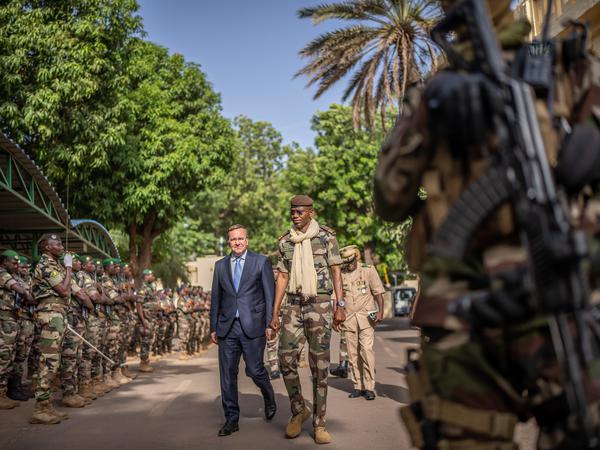
Mali's Defense Minister, General Sadio Kamara, died as a result of a terrorist attack targeting his home in Kati, a city close to the capital Bamako, on Saturday, April 25. The attack, carried out by a suicide bomber using an explosive-laden vehicle, resulted in injuries to numerous civilians and military personnel, highlighting the escalating violence in the country.
According to a statement from the transitional government, Kati was subjected to a coordinated assault, where attackers detonated a car bomb near the minister's residence. Kamara was injured while confronting the assailants, managing to kill some before sustaining serious injuries that led to his death in the hospital.
Details of the Incident
The attack was not solely directed at the minister; it also resulted in the destruction of parts of the surrounding area, including a nearby mosque, leading to the deaths of several worshippers. The government declared a state of emergency in the affected areas, with reports indicating injuries among both civilians and military personnel, totaling 16 individuals.
This attack comes at a sensitive time for Mali, which is grappling with a rise in terrorist attacks targeting both government forces and civilians. Security measures have been intensified in the capital and surrounding regions following this incident.
Background & Context
In recent years, Mali has witnessed an increase in violence, with a surge in attacks by extremist groups in the northern part of the country. Since 2012, when armed groups seized control of northern Mali, the country has become a battleground between government forces and armed groups, leading to a deterioration of security conditions.
The transitional government in Mali, formed after the military coup in 2020, faces significant challenges in restoring security and stability. The recurring terrorist attacks reflect a lack of effective security control and increase pressure on the government to implement effective measures to address these challenges.
Impact & Consequences
The death of the Defense Minister could significantly impact political stability in Mali, potentially leading to heightened tensions between government forces and armed groups. This incident may also raise international concerns regarding the transitional government's ability to protect its citizens.
The government is expected to take stringent measures to counter these threats, including enhancing cooperation with international partners in the fight against terrorism. This incident may open the door for increased international support, but it may also amplify pressure on the government to achieve tangible results in the security domain.
Regional Significance
Events in Mali raise concerns in the Arab region, as the escalation of violence could affect regional security. Neighboring countries such as Algeria and Mauritania may feel anxious about the repercussions of these attacks on their stability.
Moreover, the situation in Mali could impact peace efforts in the Sahel region, where many Arab and African countries are collaborating to address security challenges. Strengthening security in Mali is vital for maintaining stability in the region.
The killing of Mali's Defense Minister serves as a stark reminder of the security challenges facing the country and reflects the urgent need for greater international cooperation to combat terrorism and enhance stability in the region.