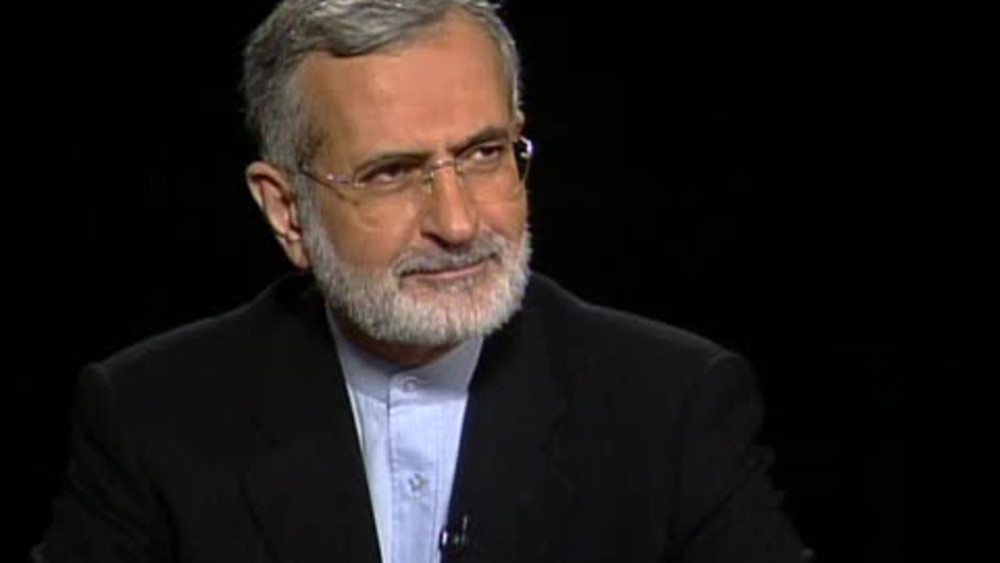
Kamāl Kharāzī, the head of the Strategic Council on Foreign Relations in Iran, was injured in a bombing that targeted his home in Tehran on Wednesday evening, leading to the death of his wife and his hospitalization in critical condition. This incident raises questions about the security and political dimensions in the country, as Kharāzī is considered one of the most prominent figures in the deeper decision-making circle of Iranian politics.
The importance of this news goes beyond the fact that it involves a prominent political figure, as Kharāzī is viewed as one of the men who form the backbone of Iranian foreign policy. He was appointed to the Strategic Council on Foreign Relations by former Supreme Leader Ali Khamenei in 2006, making him part of the major decision-making processes in Iranian foreign policy.
Details of the Incident
Iranian media confirmed the news of Kharāzī's injury, indicating that the attack directly targeted his home. Kharāzī is one of those figures who do not speak much in the media, but his positions reflect the Iranian regime's orientations on many sensitive issues. This attack could have profound implications for the political and security landscape in Iran.
Throughout his career, Kharāzī served as Foreign Minister from 1997 to 2005 and was Iran's permanent representative to the United Nations, reflecting his extensive experience in diplomacy. He also headed the official Iranian news agency (IRNA) in the 1980s, which enhances his status within the political elite.
Background & Context
Kamāl Kharāzī comes from an influential family in Iran, with his name linked to prominent political and religious figures. He is the uncle of Iranian diplomat Mohammad Sadegh Kharāzī, and his sister, Susan Kharāzī, is married to Masoud Khamenei, highlighting the familial ties that bolster his influence in Iranian politics.
Despite not holding direct executive positions in recent years, Kharāzī maintains an advisory role close to the Supreme Leader, making him a pivotal figure in discussions related to foreign policy and negotiations with major powers, including the United States.
Impact & Consequences
Kharāzī's injury raises questions about the personal security of Iranian leaders, especially amid rising regional tensions. Kharāzī is considered a voice that reflects the regime's calculated messages, and he has expressed positions regarding relations with neighboring countries, reflecting the challenges Iran faces in its foreign policy.
In previous statements, Kharāzī acknowledged mistakes in dealing with neighboring countries, emphasizing the need to improve relations with these nations. He also noted that Iranian foreign policy should balance resisting external pressures with developing positive relationships, reflecting new orientations within the regime.
Regional Significance
Kharāzī's injury represents a turning point in understanding Iranian relations with neighboring countries, as it may lead to a change in the strategies employed. Amid increasing tensions, this incident could impact how Iran deals with regional issues, especially in light of potential threats from Israel or other countries.
In conclusion, the targeting of Kamāl Kharāzī is not merely a transient event but reflects the escalating tensions in the region and demonstrates how warfare is no longer limited to military aspects but also includes political figures who play a pivotal role in decision-making.