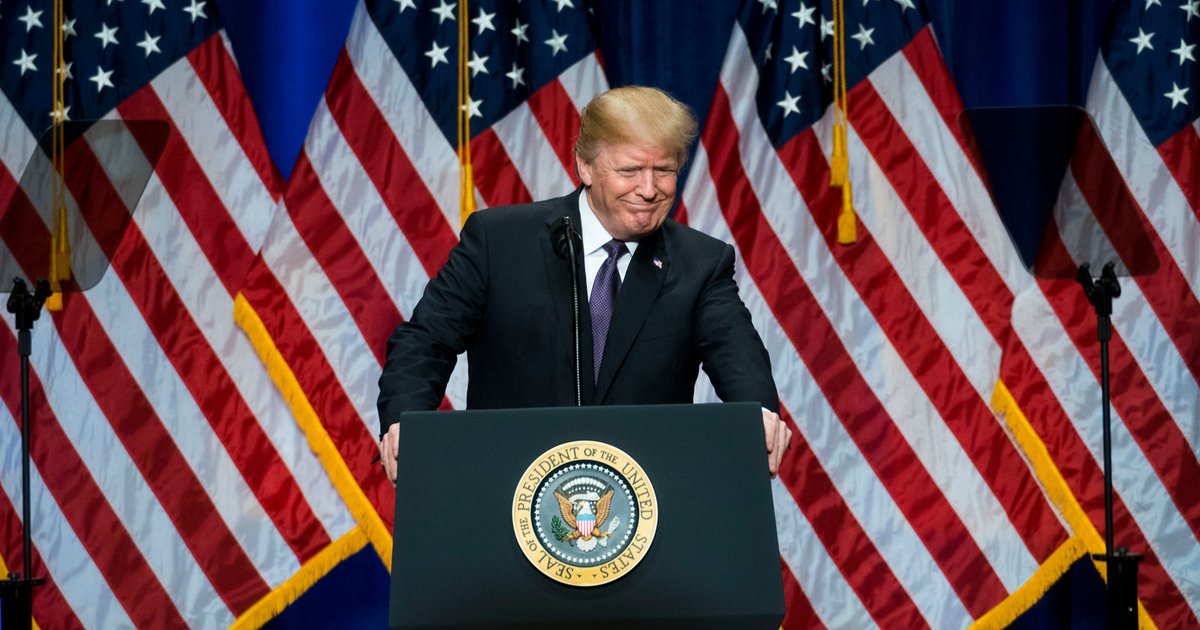
Former U.S. President Donald Trump was attacked during one of his events, prompting questions about the effectiveness of the security system in addressing increasing threats. In an interview with Sky News Arabia, Barry Donadio, a former officer in the Secret Service, provided an analytical reading of the incident, noting that this attack reflects the fragility of security in an era marked by rising digital extremism.
The attack occurred at a sensitive time, amidst escalating political and social tensions in the United States, as Trump seeks to return to the political arena after a period of absence. This incident is not merely an isolated event but part of a broader phenomenon related to the growth of digital extremism that threatens public figures and highlights the challenges faced by security authorities in protecting these individuals.
Details of the Incident
The assault took place during a rally for Trump, where an individual approached him and attacked him unexpectedly. The incident caused panic among attendees, necessitating a swift intervention by security personnel to control the situation. Donadio emphasized that the incident underscores the need to review personal security strategies, especially given the increasing use of technology in orchestrating attacks.
This attack follows a series of similar incidents targeting political figures in the United States, raising concerns about the safety of political actors in a tense environment. The assailant has been apprehended, and investigations are ongoing to determine his motives.
Background & Context
In recent years, the United States has witnessed a rise in incidents of political violence, with digital extremism becoming a new means of expressing hatred and hostility. This phenomenon is not confined to the United States alone but extends to other countries, reflecting a shift in how political opinions are expressed.
Technological developments, such as social media, have facilitated the spread of extremist ideas, making it difficult for authorities to control these phenomena. Donadio pointed out that these challenges require a coordinated response among various governmental and security agencies.
Impact & Consequences
The attack on Trump could have far-reaching effects on the American political landscape. It may lead to tightened security measures around public figures, potentially affecting freedom of expression and assembly. Furthermore, this incident could exacerbate feelings of division among Trump's supporters and opponents, increasing political tensions.
Additionally, this incident may prompt a reevaluation of how authorities address digital threats, necessitating new strategies to combat this type of extremism. Experts warn that ignoring this phenomenon could worsen the security situation in the future.
Regional Significance
Arab countries are closely monitoring developments in the United States, viewing these events as indicators of how digital extremism impacts security and stability. Many Arab nations face similar challenges, with rising incidents of political violence and extremism.
Decision-makers in the region could benefit from the lessons learned from this incident, as effective strategies are required to combat extremism and protect public figures. Additionally, raising societal awareness about the dangers of digital extremism could be an important step towards building a safer community.
In conclusion, the attack on Trump is not merely an isolated incident but part of a larger phenomenon that requires a comprehensive response from the international community to address the increasing security challenges in the era of digital extremism.