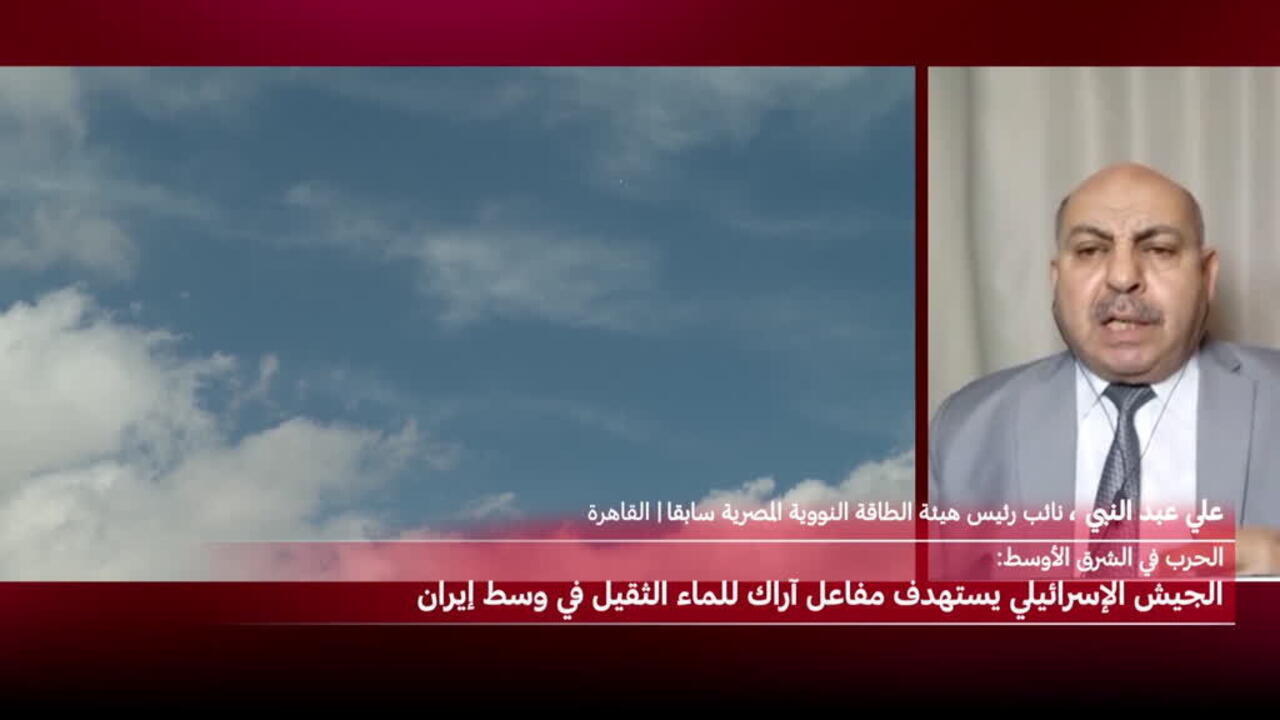
The Shahid Rezai Najad yellowcake production facility in Yazd, Iran, was attacked on Friday, raising international concerns about the safety of Iranian nuclear sites. The International Atomic Energy Agency (IAEA) reported in a statement that it had not detected any increase in radiation levels outside the site, indicating no immediate danger to the environment or surrounding populations.
This attack comes at a highly sensitive time for Iran, as tensions between Tehran and Western countries, particularly the United States and Israel, escalate regarding its nuclear program. Iran has informed the IAEA about the incident, reflecting its commitment to cooperate with the international community on nuclear oversight.
Details of the Incident
The attack on the yellowcake facility, which is a crucial part of the nuclear fuel production chain, raises questions about the potential motives behind this act. Yellowcake is a raw material used in the production of enriched uranium, which can be utilized for nuclear energy or military purposes. The facility was designed to be fortified against attacks, raising doubts about how the assault was carried out and its impact on Iran's nuclear program.
The IAEA has confirmed that it has initiated an investigation into the incident, which may take some time before they can provide a comprehensive report on what transpired. Meanwhile, major powers are closely monitoring the situation, as any escalation in military activities could lead to diplomatic or even military responses.
Background & Context
Historically, Iran has been in the spotlight due to its nuclear program, which began in the 1970s. Since then, the country has experienced numerous crises and tensions with Western nations, especially following the United States' withdrawal from the nuclear agreement in 2018. This agreement aimed to curtail Iran's nuclear activities in exchange for the easing of economic sanctions, but Washington's exit brought matters back to square one.
In recent years, Iran has ramped up its nuclear activities, raising concerns within the international community. Israel, which views Iran as an existential threat, has conducted several attacks on Iranian facilities, complicating the security situation in the region. The attack on the yellowcake facility may be part of this Israeli strategy to curb Iran's nuclear advancements.
Impact & Consequences
The attack on the yellowcake facility could have significant repercussions for international relations. If it is proven that this attack was supported by a specific state, it could escalate tensions between Iran and that country, potentially affecting stability in the region. Additionally, any escalation in military activities could impact oil prices and global financial markets.
Iran may respond to this attack by increasing its nuclear activities or even escalating tensions with Western nations. This scenario could lead to a new round of economic sanctions, further straining an already pressured Iranian economy.
Regional Significance
For Arab countries, the rising tensions between Iran and Western nations could have direct implications for regional security. Many Arab states, particularly those located in the Persian Gulf, are concerned about any escalation that could lead to military conflict. Furthermore, any strain in relations between Iran and Western nations could affect oil prices, impacting the economies of these countries.
Ultimately, the situation in the region remains complex, with political and economic interests heavily intertwined. The attack on the yellowcake facility is just one link in a chain of events that could lead to radical changes in the regional landscape.