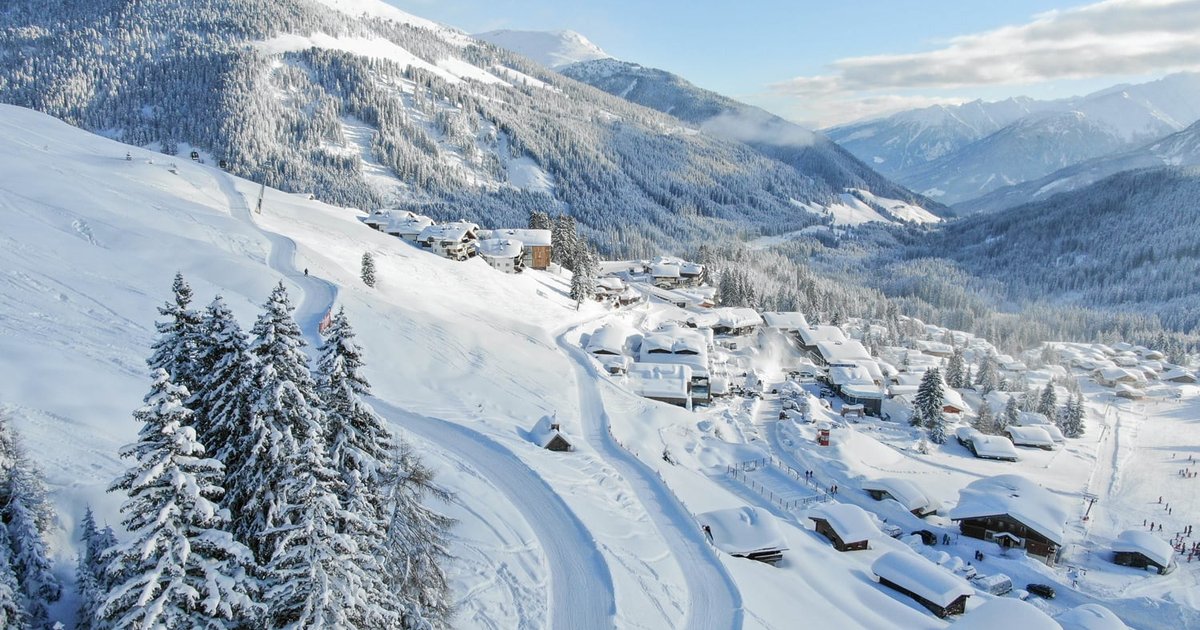
Austrian temperatures have recently dipped below zero, marking a rare occurrence that has only happened twice in the country's history, in 1883 and 1958. These figures reflect significant climate changes that may affect daily life and the environment in the country.
Reports indicate that temperatures have dropped to unprecedented levels, raising concerns among scientists and researchers about the impacts of climate change. This phenomenon is not merely a transient incident but reflects long-term changes in weather patterns in the region.
Details of the Event
In recent days, Austria has experienced a sharp decline in temperatures, with some areas recording temperatures as low as -10 degrees Celsius. This drop is among the lowest in the country's history, prompting questions about the reasons behind this phenomenon.
Scientists have pointed out that global climate changes may significantly influence these occurrences. Additionally, unstable weather patterns could lead to further temperature drops in the future.
Background & Context
Historically, Austria has experienced numerous climate fluctuations, but sharp temperature declines have been rare. In 1883, the country recorded subzero temperatures, affecting agriculture and daily life. The same scenario repeated in 1958, leading to economic and social repercussions.
These phenomena are part of a broader pattern of climate changes affecting Europe and the world. With increasing awareness of climate change, these events have garnered significant attention from governments and researchers alike.
Impact & Consequences
The impact of subzero temperatures can be profound. On an agricultural level, such conditions may lead to crop damage, affecting food security. Infrastructure may also face challenges, as snow and ice can disrupt traffic and services.
Moreover, these phenomena could lead to increased heating and energy costs, placing additional pressure on households. In a broader context, these changes may affect the Austrian economy as a whole, necessitating an effective response from the government.
Regional Significance
Although Austria is far from the Arab region, the climate changes occurring there may have indirect effects on Arab countries. As awareness of climate change increases, environmental policies in the Arab region may be influenced, prompting a response from governments.
Additionally, these phenomena may lead to an increase in climate migration, as people may seek to move to more climatically stable areas. This situation requires international coordination to address future challenges.
In conclusion, the subzero temperatures in Austria reflect the urgent need to pay attention to climate changes and their potential impacts on the world. Countries must collaborate to tackle these challenges and develop effective strategies to adapt to changing climatic conditions.