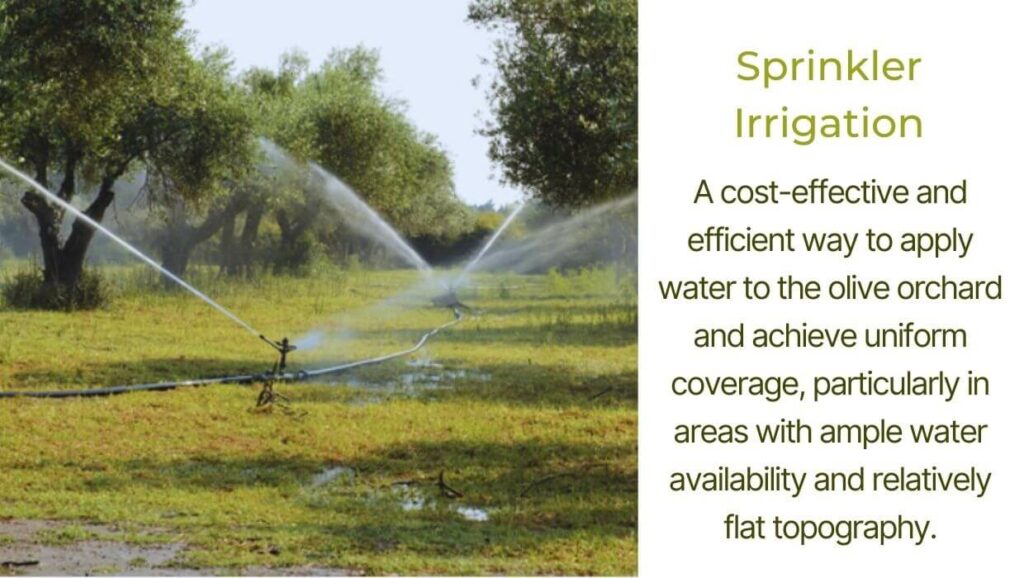
The Ministry of Agricultural Guidance has warned against irrigating olive trees during periods of extreme heat, as this negatively impacts tree growth and productivity. The ministry emphasized that irrigation under such conditions can lead to health issues for the trees and affect the quality of the resulting oil.
Olive trees are considered one of the important agricultural crops in many Arab countries, significantly contributing to the local economy and providing job opportunities for many farmers. As summer temperatures rise, concerns grow about the impact of these climatic conditions on agricultural crops, especially olive trees.
Details of the Warning
The Ministry of Agricultural Guidance issued an official statement highlighting the importance of following proper agricultural practices during high-temperature periods. It clarified that irrigation during extreme heat can stress the trees, negatively affecting their ability to produce oil. The ministry recommended that farmers postpone irrigation to the evening or early morning hours when temperatures are lower.
The ministry also pointed out that excessive irrigation during these times could lead to water accumulation around the roots of the trees, increasing the risk of fungal diseases that could harm the trees and reduce their productivity.
Background & Context
Olive trees are a symbol of traditional agriculture in many Arab countries, with their cultivation spanning centuries. With the climate changes the world is experiencing, agriculture faces new challenges, especially in regions that suffer from recurrent high temperatures. Studies have shown that climate change directly affects agricultural productivity, necessitating preventive measures to protect crops.
In recent years, many Arab countries have experienced severe heat waves, impacting agriculture in general. However, olive trees remain among the most resilient crops to harsh climatic conditions, although they require special care during high heat periods.
Impact & Consequences
Avoiding irrigation of olive trees during high temperatures can have positive effects on productivity and oil quality. If agricultural recommendations are followed correctly, these measures can contribute to improving tree health and increasing productivity. Additionally, reducing irrigation during these times may help decrease water consumption, which is a precious resource in many Arab countries.
On the other hand, failing to adhere to these recommendations may lead to deteriorating tree health, negatively impacting productivity and farmers' income. Therefore, it is crucial for farmers to be aware of climatic changes and how to effectively manage them.
Regional Significance
Agriculture is one of the main pillars of the economy in many Arab countries, and olive trees represent a significant part of this sector. With increasing climatic challenges, it is essential for Arab countries to adopt effective strategies to adapt to these changes. These strategies may include improving irrigation techniques and raising awareness among farmers about the importance of following sound agricultural practices.
Ultimately, the biggest challenge remains how to adapt to changing climatic conditions and ensure the sustainability of agricultural production in the region. Following agricultural advice and guidelines can help protect crops and ensure continuous production, benefiting the local economy and farmers.