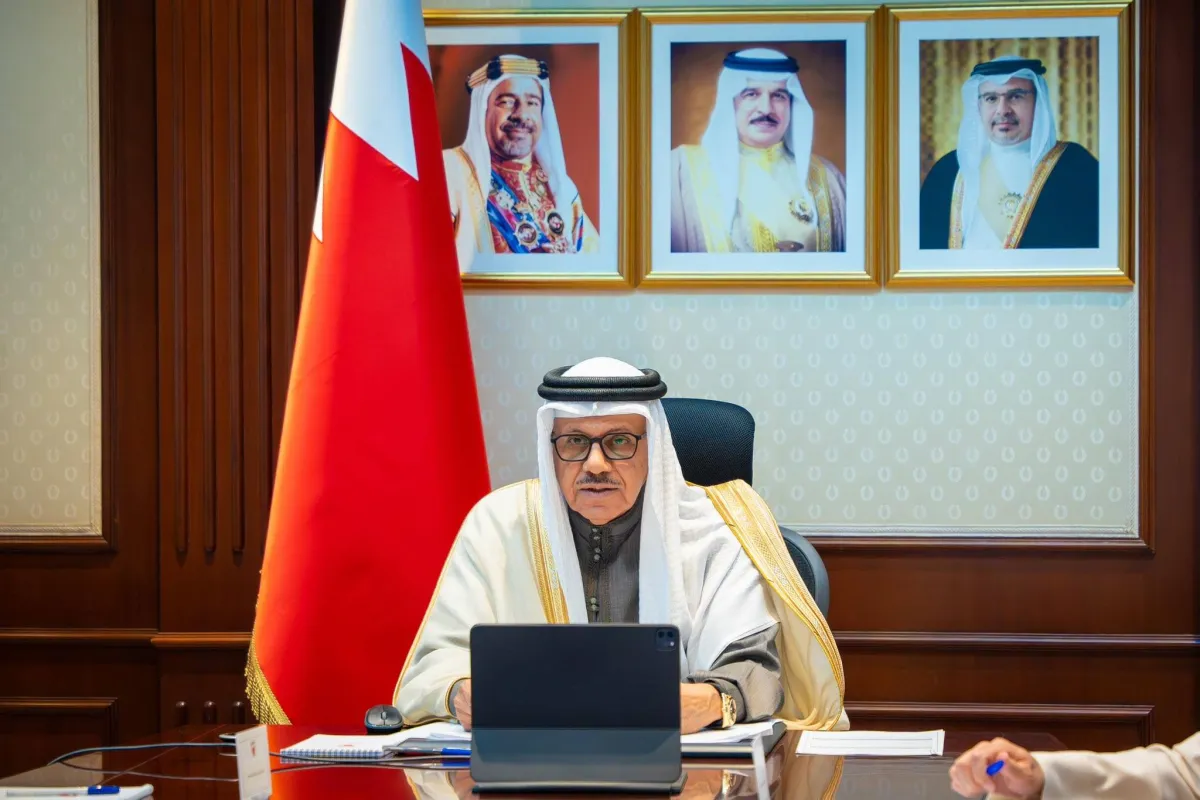
Dr. Abdullatif Al-Zayani, the Bahraini Foreign Minister, stressed the necessity for immediate international action to confront the crisis in the Hormuz Strait. He pointed out that the ongoing disruption of shipping in this vital corridor threatens the delivery of essential supplies of energy, food, and medicine to millions of people.
Al-Zayani warned that the window of opportunity to address this crisis is shrinking day by day, as oil tanker traffic through the strait has decreased by more than 90% since February 28, threatening global food security and increasing the risks of hunger.
Details of the Situation
In his statements, the minister indicated that Iranian threats to vessels transiting the Hormuz Strait have escalated into a crisis affecting the entire world. He affirmed that time has become a critical factor in dealing with this escalating crisis, which poses a threat to global stability and the principles of international law.
He also clarified that the repercussions of the current situation are no longer confined to energy markets but extend to global food security, with expectations of worsening fertilizer shortages and rising hunger rates. The United Nations has warned that an additional 45 million people may face acute hunger.
Context and Background
These remarks come at a sensitive time when the world is grappling with the fallout from economic and health crises. The situation has prompted Bahrain to propose a draft resolution before the Security Council, with Al-Zayani asserting that what is happening is not merely a regional dispute but a global emergency requiring a comprehensive response.
He noted that the Security Council has demonstrated its awareness of the gravity of the situation through Resolution 2817, which received joint sponsorship from 136 countries, reflecting international concern over Iran's unlawful actions.
Consequences and Impact
Al-Zayani explained that each day that passes without action brings the world closer to a crisis whose outcomes will be measured by failed agricultural seasons and rising hunger rates. He emphasized that the closure of the strait does not target any specific entity but poses a direct threat to countries in the Global South.
He also pointed out that the draft resolution before the Security Council represents a coordinated response aimed at addressing Iran's violations of international law. He confirmed that the proposal is not intended to escalate tensions but seeks to preserve the international order from collapse.
Impact on the Arab Region
Concerns are growing in the Arab region regarding the repercussions of this crisis, as Gulf countries face increasing pressures due to Iranian threats. Foreign ministers in the region, including the Saudi Foreign Minister, have discussed the latest developments and efforts to address these challenges.
Additionally, Sheikh Mohammed bin Zayed Al Nahyan, President of the UAE, contacted Syrian President Ahmad Al-Shara, discussing bilateral relations and regional developments, reflecting the importance of Arab coordination in facing common challenges.
In conclusion, the Hormuz Strait crisis remains a focal point for the world, necessitating a swift and effective response from the international community to safeguard security and stability in the region.