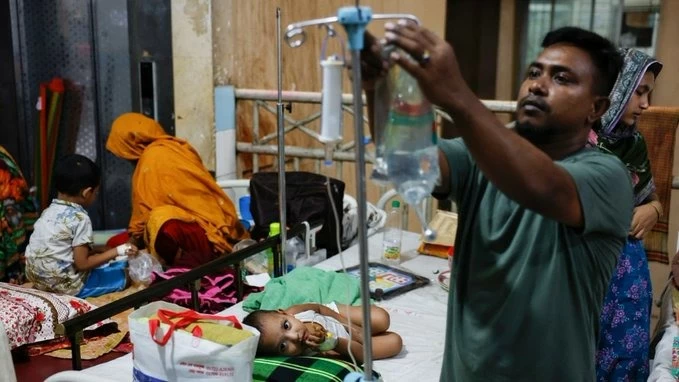
Bangladesh is grappling with a serious health crisis as Save the Children has warned of the worst measles outbreak in nearly a decade. Reports indicate that over 6400 children across 56 districts have been infected, with 98 suspected deaths recorded.
The capital city of Dhaka and the Cox's Bazar region, which hosts the world's largest refugee camp, are witnessing a rising number of cases, particularly among infants under 9 months old, who cannot yet be vaccinated.
Details of the Outbreak
Ghulam Mithabar, head of the health and nutrition sector at Save the Children in Bangladesh, emphasized that vaccines will be crucial in slowing the spread of measles and preventing further cases and deaths. He noted that the ongoing outbreak is placing immense pressure on the healthcare system, warning that a lack of sufficient vaccine supplies will lead to continued disease transmission.
In response, the Bangladeshi government, supported by the World Health Organization, UNICEF, and Gavi, has launched an emergency vaccination campaign targeting over 1.2 million children. The campaign aims to gradually expand vaccination coverage nationwide.
Background & Context
Measles is considered one of the most contagious diseases, spreading rapidly in densely populated areas with low vaccination rates. To achieve herd immunity, a vaccination coverage of at least 95% is required. However, vaccination rates have declined in recent years due to the COVID-19 pandemic and logistical challenges, resulting in a significant number of unprotected children and paving the way for the current outbreak.
Cox's Bazar, which is home to nearly one million Rohingya refugees, is particularly vulnerable due to severe overcrowding and inadequate healthcare services. Infants who are not yet eligible for vaccination represent the most at-risk group, lacking sufficient immunity.
Impact & Consequences
Reports indicate that the Bangladeshi government initiated a large-scale vaccination campaign on April 5, 2026, aiming to contain the outbreak before it escalates into a larger health disaster. However, experts warn that the success of the campaign hinges on the availability of vaccines in adequate quantities and their delivery to remote areas and camps.
If the healthcare system fails to manage this outbreak, it could lead to an increase in deaths and infections, placing additional strain on available health services.
Regional Significance
This health crisis in Bangladesh serves as a reminder of the importance of vaccination and infectious disease prevention, especially in countries with weak healthcare systems. It also highlights the need for international community support in combating epidemics.
In conclusion, Arab countries should take heed from this outbreak and enhance vaccination and healthcare programs to protect their children from infectious diseases.